

Struggling with jaw pain, an uneven bite, or facial imbalance can affect more than just how you look. It can make everyday things like eating, speaking and even sleeping uncomfortable.
When braces or other non-surgical options are not enough, orthognathic surgery may be recommended to correct the position of the jaws and restore better facial balance.
Knowing what this surgery involves and what to expect along the way can help you feel calmer, more confident and better prepared for the journey ahead.
What is orthognathic surgery?
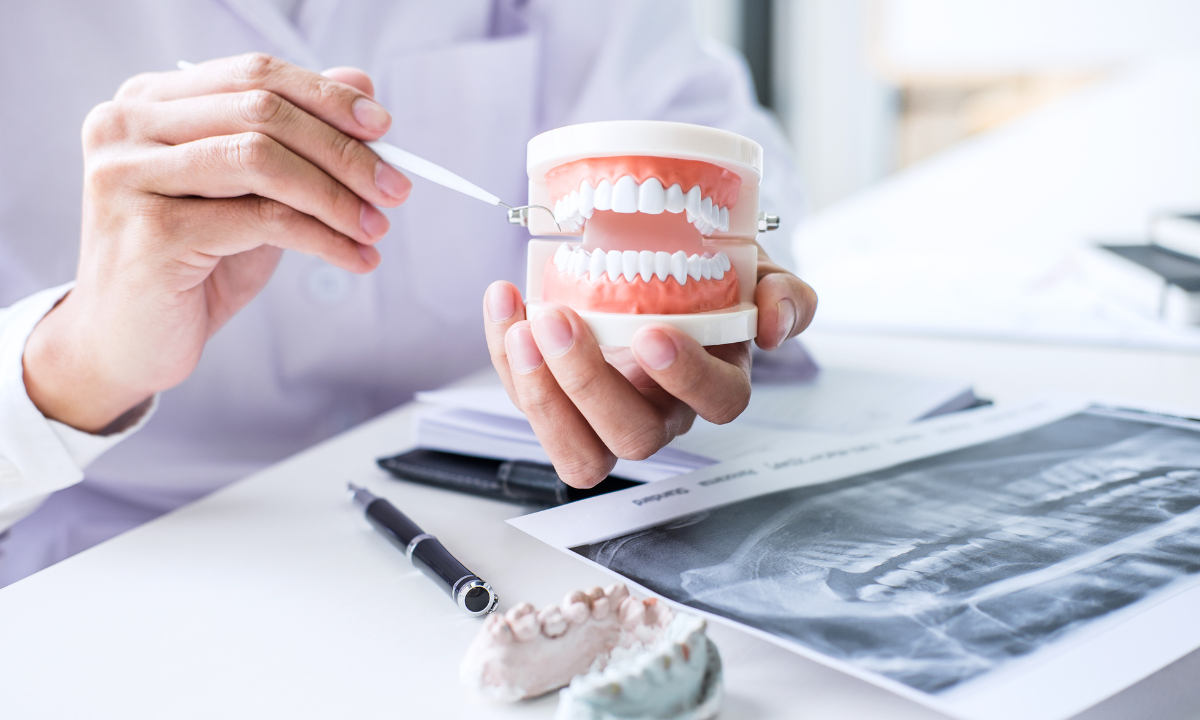
Orthognathic surgery, also known as corrective jaw surgery or jaw surgery, is a type of surgery performed to correct various jaw abnormalities. These abnormalities may cause problems with speaking, eating, breathing, or facial appearance, including concerns such as a gummy smile or significant facial imbalance.
The term "orthognathic" means "straight jaws". The goal of the surgery is to correct functional and aesthetic issues related to the alignment of the jaw.
Orthognathic surgery is usually carried out by an oral and maxillofacial surgeon. It is often part of a wider orthodontic treatment plan and is done in close coordination with an orthodontist, especially when braces alone cannot correct jaw or bite problems.
How do I know if I need orthognathic surgery?
Orthognathic surgery is typically recommended for individuals who have jaw misalignments or facial abnormalities that cannot be adequately addressed with non-surgical treatments alone. Here are some common indications for orthognathic surgery:
Malocclusion (as part of orthodontic treatment):
Individuals with severe bite problems, such as overbite (protruding upper jaw), underbite (protruding lower jaw), crossbite, or open bite, may be candidates for orthognathic surgery.
Orthodontists may recommend orthognathic surgery when orthodontic treatment alone is insufficient to address complex jaw issues.
Facial asymmetry:
If there is a noticeable imbalance in the facial structure due to misalignment of the upper and lower jaws, orthognathic surgery may be considered to improve symmetry.
Temporomandibular joint (TMJ) disorders:
Some individuals with TMJ disorders may benefit from orthognathic surgery to correct the alignment of the jaws and alleviate associated symptoms, such as jaw pain, clicking, or difficulty in jaw movement.
Sleep apnoea:
In cases where sleep apnoea is related to the position of the jaw and airway obstruction, orthognathic surgery may be recommended to reposition the jaw and improve breathing during sleep.
It is important to note that the decision to undergo orthognathic surgery is made on an individual basis after a thorough evaluation by a team of oral and maxillofacial surgeons, orthodontists, and other specialists. They look at how severe the jaw misalignment or jaw deformity is and whether it is affecting everyday things like chewing, speaking, or breathing.
If surgery is needed, orthodontic treatment is often started first to straighten the teeth and get them into the right position. The surgeon and orthodontist then plan the surgical phase together so the final result looks natural and works well for your bite and jaw function.
If you suspect that you may need orthognathic surgery, schedule a consultation with Thomson Medical today. Our oral and maxillofacial surgeon can assess your specific situation and recommend the most appropriate treatment plan.
What are the different types of jaw surgery?
The specific type of jaw surgery required depends on an individual’s condition. Often, two or more types may be done in conjunction to achieve optimum results. Here are some common types of jaw surgery:
Maxillary osteotomy (upper jaw surgery):
This surgery involves cutting and repositioning the upper jaw to correct issues such as an open bite or crossbite or to address facial asymmetry.
Mandibular osteotomy (lower jaw surgery):
This procedure is performed on the lower jaw to correct conditions like open bites, crossbites, and facial asymmetry or to help reduce a protruding lower jaw or receding chin.
Genioplasty (chin surgery):
This surgery focuses specifically on the chin, addressing issues such as a receding chin or protruding chin without altering the position of the teeth.
Distraction osteogenesis:
This surgical technique involves gradual lengthening of the jawbone using a distraction device. It is often used for severe cases of mandibular deficiency in certain medical syndromes.
What are the benefits of orthognathic surgery?
Jaw surgery can offer various benefits to individuals with jaw misalignments or facial abnormalities. The specific benefits can vary depending on the nature of the problem, but generally, jaw surgery can provide the following advantages:
Improved facial aesthetics:
Jaw surgery can enhance the overall appearance of your face by correcting imbalances in the jaw and achieving better facial harmony. The changes in facial aesthetics can boost self-confidence and self-esteem.
Enhanced jaw function:
Correction of jaw misalignments can lead to improved jaw function, including better biting, chewing, and speaking.
Correction of bite problems:
Jaw surgery is effective in correcting various bite problems, such as overbite, underbite, crossbite, and open bite. Achieving a proper bite alignment can contribute to your oral well-being and reduce the risk of dental problems.
Relief from TMJ Disorders:
For individuals with TMJ disorders, jaw surgery can provide relief from associated symptoms such as jaw pain, clicking, and difficulty in jaw movement.
Resolution of speech difficulties:
Jaw misalignments can sometimes contribute to speech difficulties. Jaw surgery can help improve speech clarity by correcting these underlying structural issues.
Treatment of sleep apnoea:
In cases where sleep apnoea is related to the position of the jaw and airway obstruction, jaw surgery may be recommended to reposition the jaw and improve breathing during sleep.
Psychosocial benefits:
The aesthetic and functional changes achieved through jaw surgery can positively impact your mental and emotional well-being. Increased self-esteem and confidence may result from the enhanced appearance and improved oral function.
Long-term stability:
When combined with orthodontic treatment, jaw surgery can produce stable, lasting results and support future dental treatments such as dental implants if required.
Our dental specialist
Loading...
What are the risks of jaw surgery?
Jaw surgery, like any surgical procedure, comes with potential risks and complications. It is essential for individuals considering jaw surgery to be aware of these risks and discuss them thoroughly with their healthcare team. While complications are relatively uncommon, they can include:
Infection:
There is a risk of infection at the surgical site. Antibiotics are typically prescribed to reduce this risk, but you still need to carefully follow any post-operative care instructions to minimise the chance of infection.
Bleeding:
Some bleeding is normal after surgery, but excessive bleeding can occur in rare cases. Your surgeons will take precautions during the procedure to minimise bleeding, and closely monitor you during the recovery period.
Nerve damage:
The nerves controlling sensation and movement in your face and mouth may be affected during surgery, leading to temporary or, in rare cases, permanent numbness or weakness. The risk varies depending on the nature of the surgery and your individual circumstances.
Swelling and bruising:
Swelling and bruising are common after jaw surgery and are usually temporary. However, in some cases, swelling may be more prolonged or more severe than expected.
Difficulty in jaw function:
While the goal of jaw surgery is to improve jaw function, there may be temporary difficulty in jaw movement and function during the initial recovery period.
Delayed healing or non-union:
In some cases, bones may take longer to heal or may not fuse properly. This can necessitate additional interventions, such as revision surgery or prolonged orthodontic treatment.
Adverse reactions to anesthesia:
Anesthesia always carries a risk of adverse reactions. Your anesthesiologist will carefully monitor your status during surgery to minimise these risks.
Unsatisfactory aesthetic results:
While the goal of jaw surgery does not always involve improving facial aesthetics, there is a possibility that you may not be completely satisfied with the cosmetic outcome.
Psychosocial impact:
The recovery period and adjustments to the changes in facial appearance can have psychological and emotional impacts on some individuals.
Before deciding on jaw surgery, it is important to have an open and honest conversation with your care team. Share your medical history, any concerns you have, and what you hope to achieve from the surgery. Your surgeon will walk you through what the procedure involves, along with the possible risks and benefits, so you know what to expect.
Careful planning before the operation, followed by proper aftercare, plays a big role in reducing complications and supporting a smooth recovery.
Jaw surgery procedures: What are the steps?
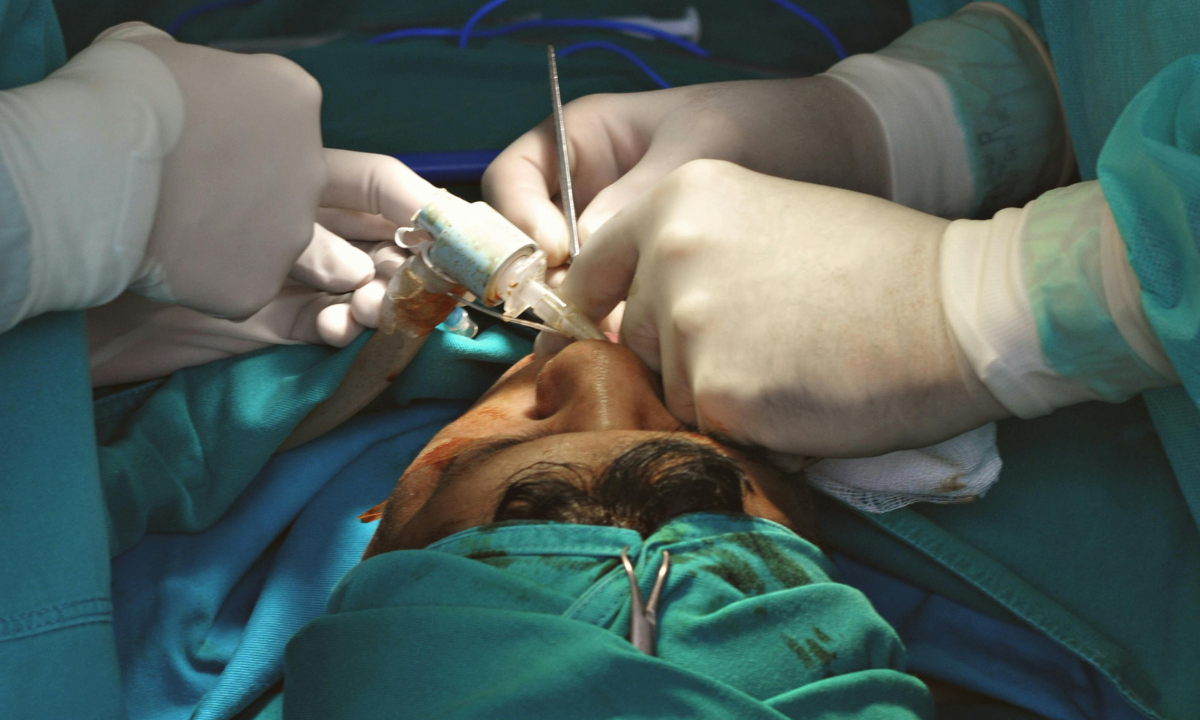
Jaw surgery is a complex procedure that involves careful planning, coordination between oral and maxillofacial surgeons and orthodontists, and a step-by-step process. The specific steps in jaw surgery may vary depending on your own unique circumstances, but the general process typically involves the following:
Initial consultation and evaluation:
The process begins with an initial consultation with an orthodontist as well as an oral and maxillofacial surgeon.
- During this consultation, the surgeon and orthodontist evaluate your facial and jaw structure, take X-rays, and discuss your concerns and treatment goals.
Comprehensive imaging:
Various X-rays and occasionally 3D imaging techniques, such as CT scans, are used to create detailed images of the facial and jaw structures. These images help the surgical team plan the precise movements needed during orthodontic treatment and surgery.
Treatment planning:
Your oral and maxillofacial surgeon, in collaboration with the orthodontist, develops a detailed treatment plan. This plan includes specific adjustments to the upper and lower jaws to achieve proper alignment and facial harmony.
Orthodontic preparation:
In many cases, orthodontic treatment is initiated before surgery to align the teeth and ensure they are in the correct positions for optimal surgical outcomes. This phase can take several months to a year or more.
Pre-surgical orthodontic adjustments:
In the weeks leading up to surgery, your orthodontist may make final adjustments to the position of the teeth to ensure optimal alignment.
Pre-operative imaging:
If necessary, CT scans are repeated just before the surgery to get the most up-to-date information regarding the jaws and facial bones. Using these images, your surgical plan is finalised and preparations for the surgery such as custom-made plates and screws are fabricated.
Pre-operative medical assessment:
You may undergo a thorough medical assessment to ensure your are in good overall health and can tolerate the surgical procedure and anesthesia.
Surgical procedure:
On the day of surgery, you will be under general anaesthesia so you are asleep and comfortable throughout the procedure. The surgeon works through small incisions inside the mouth to reposition the jaw, then uses plates or screws to hold it securely in place.
Post-operative care:
After surgery, you are closely monitored in the recovery area. Pain management and post-operative care instructions, including dietary guidelines and oral hygiene practices, are provided.
Recovery and follow-up:
The initial recovery period involves some swelling, bruising, and discomfort. You typically follow up with the surgical and orthodontic teams for regular check-ups and adjustments.
Post-surgical orthodontic treatment:
Orthodontic treatment continues after surgery to fine-tune the alignment of the teeth and ensure a stable and functional bite.
Long-term follow-up:
Periodic follow-up appointments are scheduled over the long term to monitor the stability of the surgical results and address any issues that may arise.
If you’re considering jaw surgery or would like to understand what the process involves for your specific case, schedule a consultation with Thomson Medical. Our specialist can walk you through each step, assess your needs, and help you decide on the most appropriate treatment plan.
Post jaw surgery: What to expect?
The recovery process after jaw surgery involves several stages, and you can expect various experiences during the post-operative period. Here is an overview of what to expect after jaw surgery:
Immediate post-operative period
- Recovery room monitoring:
- After surgery, you are monitored in the recovery room to ensure you wake up smoothly from anesthesia.
- Pain and discomfort:
- Pain and discomfort are common in the first few days after surgery. Pain management medications prescribed by the surgeon help manage pain.
- Swelling and bruising:
- Swelling and bruising are normal and usually reach their peak in the first 48 hours. Applying ice packs to the face and keeping the head elevated can help reduce swelling.
- Dietary restrictions:
- A liquid diet is typically recommended initially to avoid stressing the jaws. As healing progresses, you can gradually transition to a more regular diet.
First week
Hospital stay:
Depending on the complexity of the surgery and the patient's overall health, an overnight hospital stay may be required.
Oral care:
You will be instructed on how to care for your oral hygiene, including gently cleaning the mouth and surgical sites.
Follow-up appointments:
Follow-up appointments with the surgical and orthodontic teams are scheduled to monitor progress and make any necessary adjustments.
First month
Swelling subsides:
Swelling gradually decreases over the first few weeks, but some residual swelling may persist for a longer period.
Activity restrictions:
Avoid strenuous activities, heavy lifting, and intense physical exertion during the initial recovery period.
Gradual return to normal activities:
Most patients can begin to return to normal daily activities, such as work or school, within a few weeks, but full recovery may take several months.
Long-term recovery
Orthodontic adjustments:
Orthodontic treatment continues to fine-tune the alignment of the teeth and ensure a stable bite.
Long-term follow-up:
Periodic follow-up appointments are scheduled over the months and years to monitor the stability of the surgical results and address any issues that may arise.
Common tips for recovery
Recovery after jaw surgery takes time, and the right aftercare can make a big difference to your comfort and healing. While everyone recovers at their own pace, these general tips can help support a smoother recovery process.
Follow post-operative instructions:
- Adhere to all post-operative care instructions provided by the surgical and orthodontic teams.
Medication management:
- Take prescribed medications as directed, including pain management and antibiotics.
Dietary considerations:
- Stick to the recommended diet and gradually reintroduce solid foods as advised.
Oral hygiene:
- Maintain good oral hygiene to prevent infection. Use the prescribed mouthwash or rinse.
Rest and sleep:
- Get adequate rest and follow the recommended sleep positions to minimise swelling.
Support system:
- Have a support system in place for assistance during the initial recovery period.
It is important for patients to communicate openly with their healthcare team about any concerns or unexpected symptoms during the recovery process. Each individual's recovery experience may vary, and the timeline for returning to normal activities will depend on the specific details of the surgery and the patient's overall health.
FAQ
How long does jaw surgery take, from consultation to recovery?
The timeline varies, but it often includes pre-surgical orthodontic treatment, surgery, and post-surgical orthodontics. The complete process can take a year or more.
Are there risks associated with jaw surgery?
As with any surgery, there are risks. These can include infection, bleeding, and nerve injury. Your surgeon will discuss potential risks and benefits during the consultation.
Does jaw surgery leave scars?
Jaw surgery typically involves incisions made inside the mouth rather than externally. This approach is known as intraoral incisions and is commonly used to access the jawbones for repositioning without leaving visible external scars. Therefore, from an aesthetic standpoint, the scars associated with jaw surgery are generally not visible.
What is the effectiveness of jaw surgery?
Jaw surgery is generally effective, with positive changes in both functional and aesthetic aspects of their jaw and facial structure. The effectiveness of the surgery depends on various factors, including the patient's specific condition, the capabilities of the surgical team, and the individual's commitment to post-operative care and rehabilitation.
How painful is jaw surgery?
While pain is a common concern with any surgery, advances in anesthesia and post-operative pain management have improved the experience for patients undergoing jaw surgery. The procedure will be done under general anaesthesia so you will be unconscious for the duration of the surgery.
However, after the surgery, some level of pain and discomfort can be expected as the body heals. The intensity of pain varies from person to person, but it is generally managed well with prescribed pain medications.
Pain and discomfort generally peak in the first few days after surgery and gradually decrease as the body heals. Most patients find that their overall comfort improves within the first week or two.
What are the long-term side effects of jaw surgery?
Jaw surgery is generally considered effective for addressing various functional and aesthetic issues with the jaw and facial structures and can lead to positive changes in both the form and function of the jaws. However, there are a few potential long-term side effects of the surgery.
Numbness or altered sensation:
Temporary numbness or altered sensation in the lower lip, chin, teeth, or tongue is common after jaw surgery, especially if nerve repositioning is involved. In most cases, sensation gradually returns over time, but there may be lingering mild changes in some individuals.
TMJ Function:
Achieving good temporomandibular joint (TMJ) functioning is the primary goal of jaw surgery. However, ongoing TMJ issues can occur in some cases, requiring continued monitoring and management.
Malunion or non-union of osteotomy sites
While the risk is low, some people may not fully heal at the sites of the cuts of the jawbone either because of poor healing or due to infection. This may result in persistent mobility of the jawbone and changes in the way they bite. Should this happen, a second surgery may be required to clean the segments as well as to reposition the jaw and replace the titanium plates to allow for proper healing.
Relapse:
While jaw surgery to correct facial discrepancies are generally long-lasting, occasionally relapse may occur. Relapse is the tendency of soft and hard tissues to want to revert to their original position. Long-term stability of the surgical correction often relies on proper planning and surgical technique as well as on the proper alignment of the teeth. This may require ongoing orthodontic maintenance or the use of retainers to prevent relapse. However, severe cases of facial discrepancies may still result in some degree of relapse.
Facial aesthetics:
Facial proportions will change as a result of jaw surgery, the position, and with of the nose, lips, chin and occasionally the cheek bones may be altered. Often the resulting changes are for the better but occasionally patients are less then satisfied with the changes. These concerts are normally addressed by the surgical team during the initial consultation and steps will be taken during surgical planning to avoid any unwanted changes to the facial features.
Obstructive sleep apnea
Obstructive sleep apnea is a condition in which a person’s airway closes either partially or fully when they are sleeping. This condition has been liked to a variety of chronic illnesses such as high blood pressure, diabetes as well as heart disease. In certain individuals, especially those that require a setback of the lower jaw, the resulting movement of the bony segments can result in decreased size of the airway potentially leading to obstructive sleep apnea. This concern, however, will usually be addressed during the preoperative consultation by your dentist.
Psychosocial factors:
While many individuals experience improved self-esteem and quality of life after jaw surgery, it is important to consider the psychosocial aspects. Factors like body image, adjustment to the new facial profile, and overall satisfaction with the results may vary among individuals and surgical team.
How long does it take to recover?
The recovery time varies, but most patients can return to normal activities within a few weeks. Initial swelling and discomfort subside gradually over several weeks.
How long does it take for swelling to go down after jaw surgery?
Swelling is a common side effect of jaw surgery, and its duration can vary from person to person.
The timeline for swelling to go down depends on several factors, including the specific surgical procedures performed, individual healing rates, and how well post-operative care instructions are followed. Generally, swelling will be more pronounced immediately following surgery and usually peaks about the fourth day post-operatively.
Following that, over the next few weeks, the swelling gradually subsides and by 6 weeks would have resolved substantially. However, residual swelling may persist for up to 6 months following surgery.
When can I chew after jaw surgery?
The timeline for resuming regular chewing after jaw surgery varies among individuals and depends on the specific procedures performed, the extent of the surgery, and how well the individual is healing.
In general, the initial stages of recovery involve a gradual progression from a liquid or soft diet to a more regular diet that includes chewing.
Most often, immediately after surgery and for the first 2 weeks after, you will be limited to a strict liquid or pureed diet to allow for initial healing and minimise stress on the surgical sites. Chewing is typically avoided during this period to prevent any strain on the jaw.
Following that, depending on how well you are healing, you may be allowed to progress to a soft diet. This may include foods that are easily mashed or blended, such as soups, yogurt, pudding, and smoothies.
By the third to sixth month post-surgery, you should be able to return to a normal diet with regular chewing. However, it is advisable to continue avoiding overly hard or sticky foods to prevent any issues with the healing process.
Will I need braces before and after surgery?
Yes, orthodontic treatment is typically part of the overall plan. Braces help align the teeth in preparation for surgery and ensure proper alignment afterward.
Is jaw surgery covered by insurance?
Coverage varies, and it is essential to check with your insurance provider. Some plans may cover a portion of the expenses.
The information provided is intended for general guidance only and should not be considered medical advice. For personalised recommendations and tailored advice based on your unique situations, please consult a specialist at Thomson Medical. Request an appointment with Thomson Medical today.