

If you are experiencing pelvic pain and have been told that you may have an ovarian cyst, it is natural to feel worried. Pain in this area can feel unsettling, especially when it appears suddenly or feels different from your usual menstrual discomfort.
Most ovarian cysts are harmless and settle on their own. However, some symptoms may signal that medical attention is needed. Understanding how ovarian cyst pain can feel and knowing when to see a doctor can help you respond with confidence.
What is an ovarian cyst?
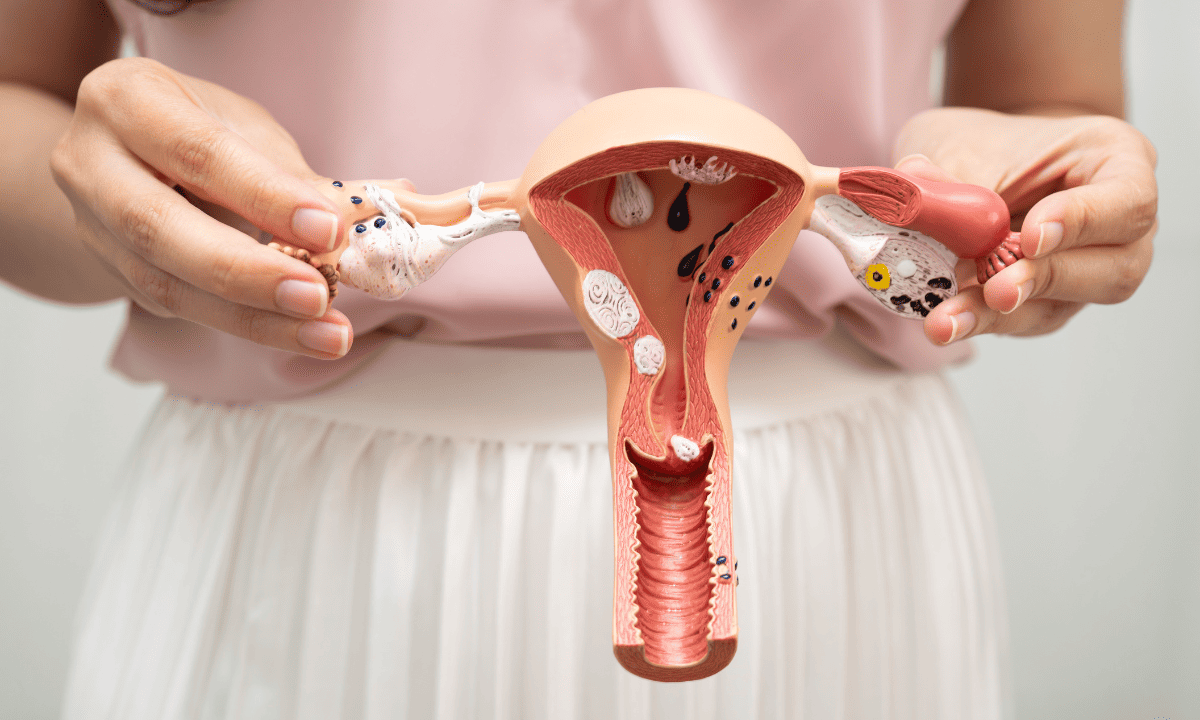
An ovarian cyst is a fluid-filled sac that forms on or inside an ovary. Because the ovaries play a key role in ovulation and hormone production, it is natural to feel concerned when changes occur.
Common types include:
Functional cysts:
These are the most common and form during your normal menstrual cycle, including follicular and corpus luteum cysts.
Haemorrhagic cysts:
A functional cyst that contains blood due to a small vessel rupture.
Endometriomas:
Also known as "chocolate cysts", these contain old blood and are linked to endometriosis.
Dermoid cysts:
These contain tissue like hair or skin and are not cycle-related.
Polycystic ovaries:
This involves multiple small follicles developing on your ovaries due to hormonal imbalances.
Most ovarian cysts are benign (non-cancerous) and temporary. In most cases, your body naturally absorbs the fluid and the cyst clears up on its own without needing any treatment.
This means that for many women, a diagnosis is simply a sign that their body is functioning, rather than a cause for alarm.
What are the symptoms of ovarian cysts?
Many people have no symptoms at all, and the cyst is only discovered incidentally during ultrasound imaging for something else. However, as a cyst grows or if it contains blood, it can sometimes trigger more noticeable symptoms.
When symptoms do occur, they may include:
A sharp or dull pelvic pain, often localised specifically to one side
A persistent feeling of bloating or heavy pressure in your lower pelvic area
Discomfort during exercise, sudden movements, or sexual intercourse
Irregular menstrual cycles or unexpected spotting between periods
Lower back or thigh pain that radiates from the pelvis
Nausea or vomiting, especially if your ovary twists on itself (ovarian torsion)
Although these symptoms can feel uncomfortable, they are usually temporary. In most cases, your body gradually reabsorbs the cyst and heals naturally over time. Many people find that their symptoms steadily improve without the need for further treatment.
If you experience persistent or worsening symptoms, consider speaking with a doctor. You may schedule an appointment at Thomson Medical for further assessment.
Ovarian cyst pain
Pain is often the first sign that makes you consider seeing a doctor. Because pain can feel very different from one person to another, paying attention to how it feels, when it occurs, and whether it is changing can help you explain your symptoms more clearly to your healthcare provider.
Feeling
Ovarian cyst pain can show up in different ways, depending on the size and type of the cyst.
You may experience:
A dull ache or feeling of pressure as the cyst stretches the surrounding tissue
Sharp or stabbing pain if a cyst ruptures or bleeds
Discomfort that comes and goes, or changes with your menstrual cycle
Sudden, severe pain, especially in case of ovarian torsion
Although this experience can feel worrying, they are often a common variation of the menstrual cycle and do not necessarily mean something is wrong with your ovaries. Recognising these patterns can help you monitor your body more confidently and know when to seek medical advice.
Location
The location of your pain can often offer helpful clues about what is causing it.
You may notice:
Pain focused on one side of the lower abdomen
A sense of heaviness or pressure centered in the pelvis
Discomfort that radiates to the lower back or thighs
Paying attention to where the pain is felt can help your doctor assess whether the cyst is benign and healing as expected, ensuring you receive care that is appropriate for your situation.
Other symptoms
Pain is rarely the only sign and is often accompanied by other physical changes.
Here are some common symptoms:
A persistent feeling of bloating or heavy pressure in the lower pelvic area
Nausea or vomiting, especially when the pain is more intense
Light vaginal bleeding or spotting between regular periods
Pain during movement or sexual intercourse
Discomfort that worsens during menstruation
Keeping track of these accompanying symptoms helps your medical team build a fuller picture of what is happening in your body. This allows them to recommend care that is appropriate for your situation, helping you avoid unnecessary procedures and feel more supported during your recovery.
If your pain feels persistent, severe, or difficult to manage, a medical consultation may be helpful. You may consider scheduling an appointment with a doctor at Thomson Medical to discuss your symptoms.
When to see a doctor for an ovarian cyst?

It is completely normal to feel uncertain when your body develops ovarian cysts. While most of these cases are harmless, knowing when to seek medical advice is an important part of protecting your long-term health.
You should consider scheduling a medical evaluation if:
Pain lasts more than a few days or continues over several weeks
Pain becomes more frequent or steadily worsens
You notice sudden or unusual changes in your menstrual cycle
You experience ongoing bloating or abdominal swelling
Pain begins to interfere with your daily activities or quality of life
You should seek medical attention immediately if you experience:
Sudden, severe pelvic or abdominal pain
Pain accompanied by fever, vomiting, dizziness, or fainting
Symptoms that may suggest internal bleeding, such as feeling light-headed or unwell
Pelvic pain during pregnancy
New or severe pelvic pain after menopause
Although these complications are rare, recognising the warning signs allows you to act quickly and receive appropriate care. Taking note of changes in your body and responding early can help you feel more in control of your health moving forward.
Our gynaecologic oncology specialist
Loading...
How to relieve ovarian cyst pain at home?
If your symptoms are mild and your doctor has recommended monitoring, here are some simple measures to help you stay comfortable:
Use warm compresses or a warm water bottle on your lower abdomen to help relax pelvic muscles and ease cramping.
Take over-the-counter pain relievers or prescription medicine if needed
Walking or stretching can help, though you should avoid strenuous activity to lower the risk of rupture.
Allow your body time to naturally reabsorb the blood inside the cyst.
Practise deep breathing or meditation to help manage the anxiety of waiting
Consider hormonal birth control if your doctor recommends it, as it may help prevent new cysts from forming by stopping ovulation
Taking these steps to manage your physical comfort can make the monitoring period feel more manageable and help you maintain your day-to-day quality of life. This approach allows your body the time it needs to heal naturally while reducing the likelihood of unnecessary medical interventions.
FAQ
Do ovarian cysts go away on their own?
Yes. In most cases, it does. Haemorrhagic ovarian cysts are functional cysts, meaning they form as part of your normal menstrual cycle. Most resolve naturally within one or two cycles, around four to eight weeks, as your body slowly reabsorbs the blood and the cyst shrinks.
Can ovarian cysts affect fertility?
In most cases, no. Functional cysts do not usually damage your ovaries or fallopian tubes. However, conditions like endometriosis or polycystic ovary syndrome (PCOS) may impact fertility and require medical management. If surgery is ever needed, your surgeon will aim to preserve as much healthy ovarian tissue as possible to protect fertility.
How do I know if it is a cyst bursting?
A ruptured ovarian cyst often causes sudden, sharp pelvic pain that feels different from your usual discomfort. You may also notice:
Light vaginal bleeding
Bloating
Nausea or dizziness
Many small ruptures settle on their own with rest and pain relief. However, if the pain is severe, worsening, or you feel faint or unwell, it is important to seek emergency medical care right away.
Can ovarian cysts lead to cancer?
Most ovarian cysts are benign and not cancerous. However, the risk is higher in certain situations, including:
After menopause
When cysts appear complex or solid on imaging
If there is a family history of ovarian cancer
If a cyst appears suspicious, your doctor may recommend closer monitoring or further tests to ensure any changes are detected early.
When should I go to the ER for my ovarian cyst?
You should seek emergency medical care immediately if you feel faint, develop a fever, or the pain is severe and does not improve. These symptoms could indicate a large rupture causing significant internal bleeding or ovarian torsion, both of which require urgent attention.
Should you worry if it is left untreated?
Many cysts resolve on their own without surgery and can be managed safely with monitoring and care. However, untreated cysts may grow larger, rupture, or cause torsion. Regular monitoring ensures safe management and allows your doctor to step in if your body needs extra help.
The information provided is intended for general guidance only and should not be considered medical advice. For personalised recommendations and tailored advice based on your unique situations, please consult a specialist at Thomson Medical. Request an appointment with Thomson Medical today.
For more information, contact us:
Thomson Specialists (Women's Health)
Thomson Women's Clinic (TWC)
- Novena:
6592 6686 (Call), 8611 8986 (WA) - Bukit Batok:
6569 0668 (Call), 8686 3525 (WA) - Choa Chu Kang:
6893 1227 (Call), 8282 1796 (WA) - Jurong:
6262 8588 (Call), 6262 8588 (WA) - Katong (female doctor):
6970 2272 (Call), 8611 9020 (WA) - Punggol:
6243 6843 (Call), 8811 0328 (WA) - Sembawang: 6753 5228
- Sengkang: 6388 8125
- Serangoon (female doctor): 6382 3313
- Tampines: 6857 6266
- Tiong Bahru: 6276 1525
Notice
The range of services may vary between TWC/TS locations. Please contact your preferred branch directly to enquire about the current availability.
Request an Appointment