

Perhaps you've noticed your gums bleeding when you brush, or they appear slightly swollen and tender. You might have dismissed these as nothing to worry about, but they could indicate early gum disease that, if left untreated, may progress to deeper gum pockets, receding gums, or even tooth loss.
Catching gum disease early makes treatment simpler and more effective. Dental scaling and root planing can halt its progression and restore your gum health.
What is dental scaling?
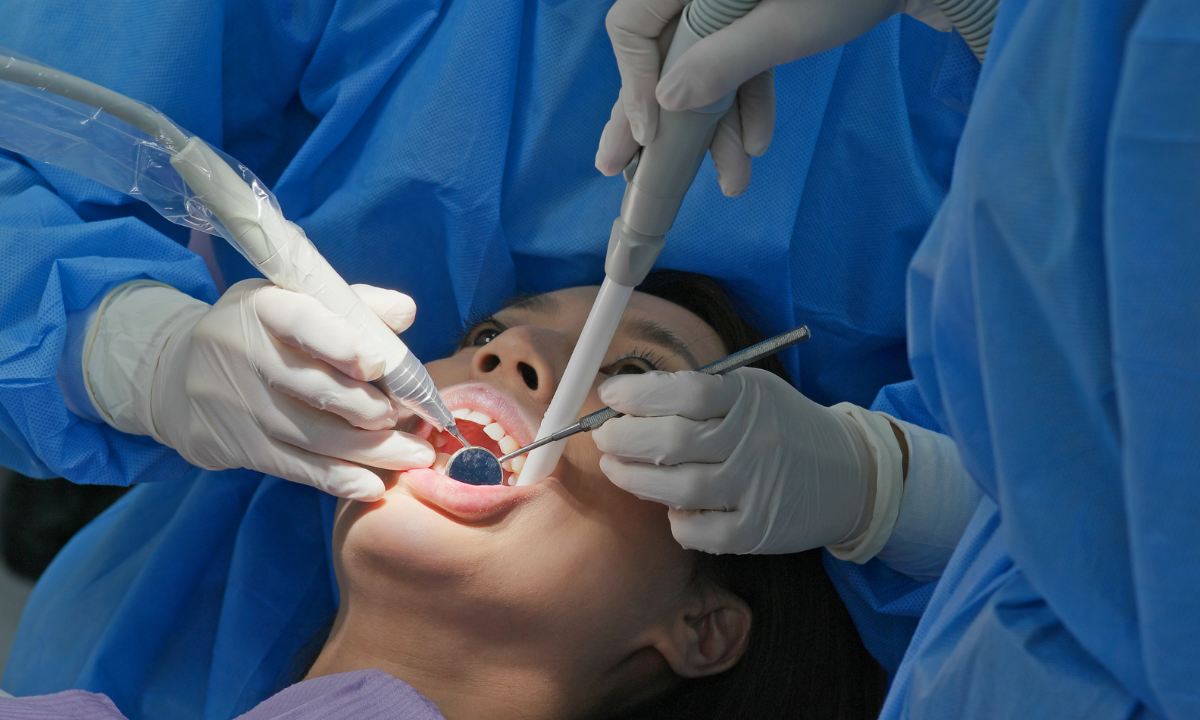
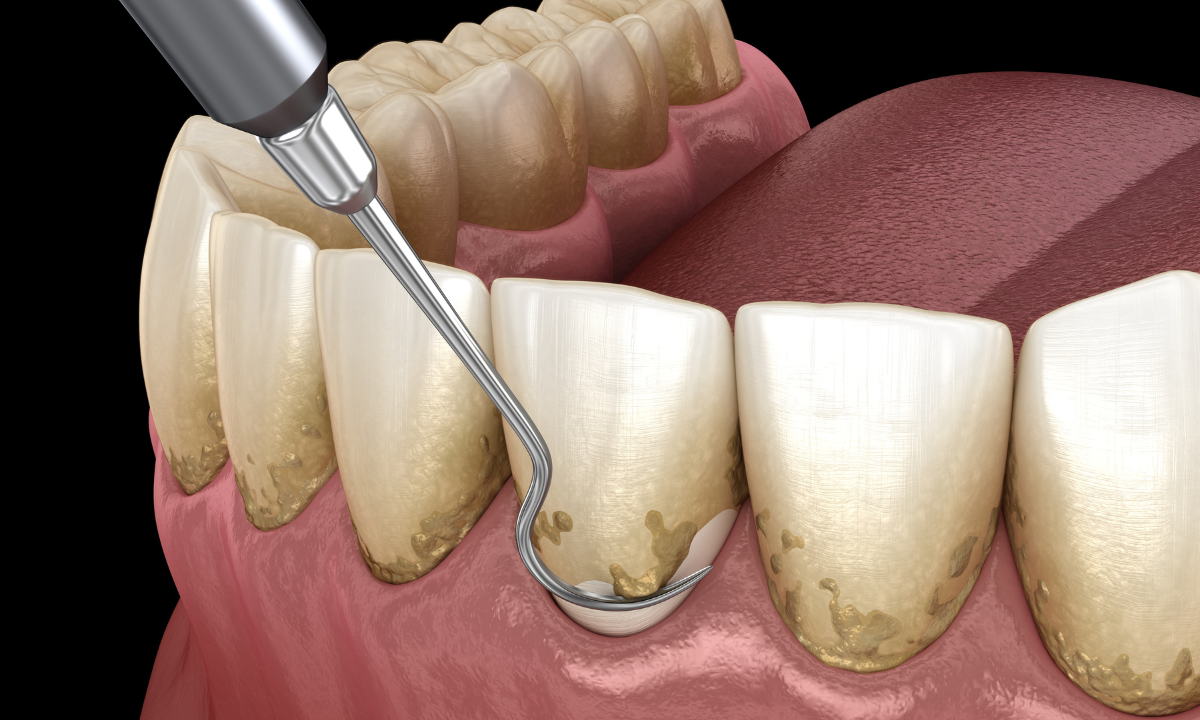
Dental scaling is the first step in deep cleaning treatment. It removes the plaque and tartar that build up on the teeth, including below the gum line, where regular brushing cannot reach. If these deposits are left for too long, they irritate the gums, trigger inflammation, and increase the risk of gum disease.
During the procedure, your dentist cleans the tooth surfaces thoroughly, including the gum pockets that form when gums start to pull away. Depending on your condition, this may be done using fine hand instruments or ultrasonic instruments that utilise gentle vibrations.
What is root planing?
Root planing is the next step after scaling. While scaling focuses on removing deposits, root planing aims to smooth the surfaces of your tooth roots. When the roots become rough due to tartar or bacterial toxins, the gums struggle to reattach securely. These uneven areas also provide ideal spaces for bacteria to grow.
This treatment can help in the following ways:
- Helps the gums reattach more firmly
- Reduces the depth of gum pockets
- Minimises areas where harmful bacteria can settle
- Supports gum recovery and protects the bone that anchors your teeth
Do you need to get scaling and root planing done?
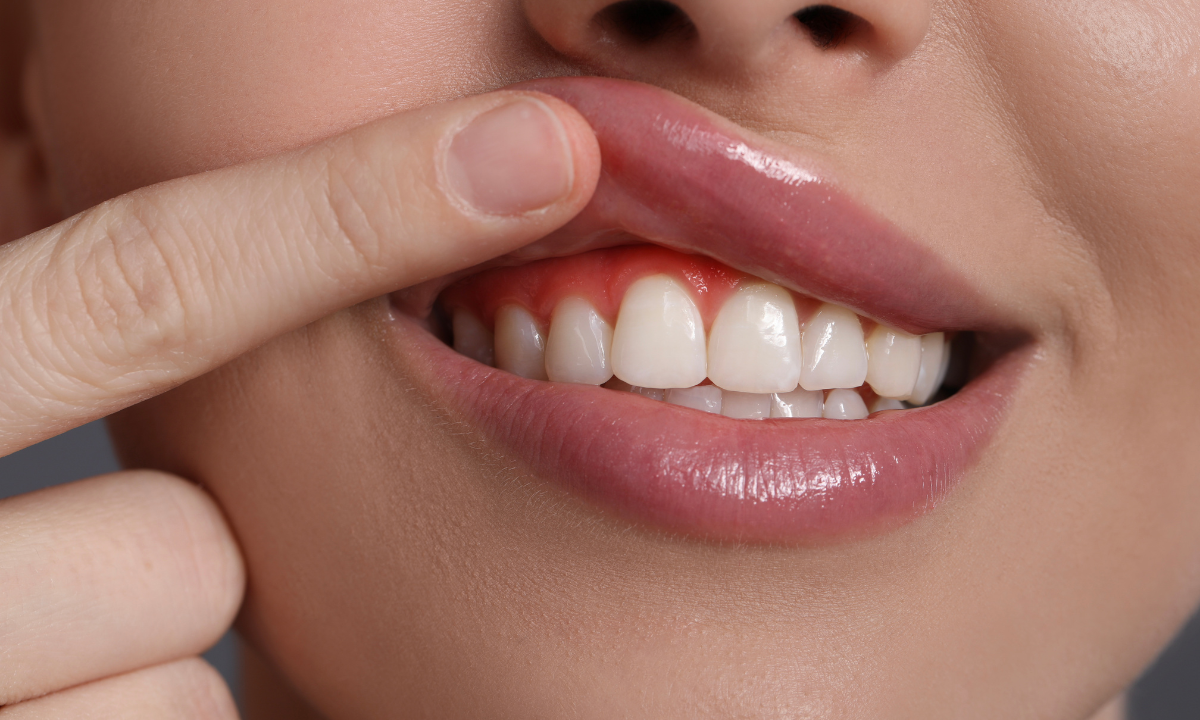
Many patients benefit from scaling and root planing at least once every two years as part of preventive dental care. However, your dentist may recommend it sooner or more frequently, depending on your gum health. You may need the treatment if you have:
Gingivitis
This is the earliest stage of gum disease. You may notice tender or swollen gums, bleeding when brushing or flossing, and mild bad breath. While gingivitis can be reversed with timely treatment, delaying care could allow the disease to progress.
Periodontitis (periodontal disease)
This is a more advanced condition of gum disease where plaque and tartar have caused deeper gum pockets, gum recession, or even early bone loss. Scaling and root planing help stabilise the disease and prevent further damage.
High risk of periodontal disease
Even if there are no obvious symptoms, you may be advised to undergo deep cleaning if you are at high risk of experiencing periodontal disease. These include:
A family history of gum disease
Crowded teeth
Underlying medical conditions such as diabetes or autoimmune disorders
Hormonal changes
A history of inconsistent oral hygiene
Early intervention makes treatment easier and more comfortable. If you notice changes such as persistent bleeding gums or bad breath, schedule a consultation with a dentist at Thomson Dental Centre.
Scaling and root planing procedures
Before the procedure, your dentist will talk you through the scaling and root planing process. They will explain every step so that you know what to expect. Generally, you can expect the following:
Assessment
During the assessment, your dentist will examine your gums and measure the depth of the spaces between your teeth and gums. These spaces, known as periodontal pockets, can become deeper when inflammation causes the gums to pull away from the teeth.
Your dentist will also check for signs of infection, and dental X-rays may be taken to assess the bone supporting your teeth and identify any areas of concern that are not visible during the exam.
Anaesthesia
To help you stay comfortable throughout the procedure, your dentist will apply a topical or local anesthesia. This gently numbs the gums and teeth, enabling the deep cleaning to be carried out smoothly and comfortably.
Scaling
Scaling focuses on clearing away the plaque and tartar that irritate the gums and contribute to gum disease. To do this effectively, your dentist may use different types of instruments, each designed to clean specific areas thoroughly.
Hand instruments:
Your dentist may use scalers and curettes to gently remove plaque and tartar from the tooth surfaces and below the gum line.
Ultrasonic scaler:
This device uses light, high-frequency vibrations and a gentle water spray to break down and flush away deposits, making the cleaning thorough and comfortable.
Root planing
Once scaling is complete, your dentist will move on to root planing, where the root surfaces are carefully smoothed. This creates a clean, even surface that allows the gums to reattach more securely, helping reduce pocket depths and support healthy healing around the teeth.
Depending on how advanced the gum disease is, this treatment may be completed in a single visit or spread over several sessions to ensure thorough care.
Our dental specialists in Singapore
Loading...
What are the benefits of scaling and root planing?
Deep cleaning offers several important benefits for your oral and dental health:
Prevents progression of gum disease:
Helps protect the gums and underlying bone from further damage
Reduces gum inflammation and bleeding:
Creates a cleaner, healthier, and more comfortable oral environment
Decreases periodontal pocket depths:
Makes everyday brushing and flossing easier and more effective
Improves breath freshness:
Lowers bacterial buildup beneath the gum line
Supports long-term gum and tooth stability:
Helps you preserve your natural teeth for as long as possible
These treatments not only support healthier gums but may also benefit your overall well-being, confidence, and long-term oral health.
What are the potential side effects of the treatment?
Although scaling and root planing are generally safe and commonly performed procedures, there are a few side effects you should be aware of. These include:
- Discomfort:
- You may feel a bit of tenderness or sensitivity for a short time, but this usually settles quickly as your gums heal.
- Gum recession:
- Your gums might look slightly lower once the swelling goes down. This is simply your gums returning to their natural shape, not a sign of harm.
- Infection:
- Although rare, deeper pockets may take longer to heal, which could lead to infection. To prevent this, your dentist may suggest an antibacterial rinse or medication.
- Multiple visits:
- If your gum disease is more complicated, you may need a few appointments so your dentist can clean carefully without rushing your comfort.
Your dentist will check on your progress and answer any questions you may have to ensure you receive the necessary care and attention.
Aftercare and recovery
Although you may experience some side effects after scaling and root planing treatment, they are usually minor. Here are some steps you can take to aid your recovery:
Using a toothpaste designed for sensitive teeth
You may notice mild tooth sensitivity to temperature or pressure over the next few days. This gradually improves as inflammation settles. Using a toothpaste designed for sensitive teeth and avoiding very hot or cold foods can help ease discomfort during this period.
Oral hygiene
Continue with gentle but thorough brushing twice daily and flossing once a day. Keeping your mouth clean prevents bacteria from reaccumulating and supports the healing process. Your dentist may also recommend an antibacterial mouth rinse to help reduce inflammation.
Balanced diet
For the first day or two, choose softer foods and avoid items that are extremely hot, cold or spicy, as they may irritate the healing gums. Drinking plenty of water can also help keep your mouth clean and comfortable.
Follow-up visits
Your dentist will arrange follow-up dental check-ups to monitor healing, reassess the gum pockets and ensure the treatment is as expected. Regular cleanings and periodic periodontal evaluations is essential in maintaining your results and preventing gum disease from returning.
If you have any concerns during your recovery or want guidance on caring for your gums after scaling and root planing, schedule a consultation with Thomson Medical. Our dentist can review your progress and provide personalised advice to ensure a smooth recovery.
FAQ
Is dental scaling and root planing painful?
Most patients find the procedure much more comfortable than they expect. Local anaesthesia is usually applied to numb the treated areas, so you may feel light pressure but not pain.
After the anaesthetic wears off, it is normal to experience mild tenderness or sensitivity for a day or two. This is a sign that the gums are healing. Your dentist may recommend a desensitising toothpaste or gentle pain relief if needed.
How long does healing take after scaling and root planing?
Healing times vary from person to person, but many notice improvements within a week. The gums gradually become less swollen and may no longer bleed when brushing. Sensitivity to temperature usually settles within a few days.
The deeper healing, especially gum reattachment and reduction in pocket depth, continues over the following weeks. Your dentist will assess your progress during follow-up visits and guide you on how to support healing with proper oral hygiene.
Is scaling and root planing the same as a routine dental cleaning?
No. A routine cleaning focuses on removing plaque and tartar above the gum line. Scaling and root planing go deeper, addressing hardened deposits and bacteria beneath the gums where regular brushing and standard cleanings cannot reach.
Key differences:
- Routine cleaning:
- Surface-level cleaning, mainly preventive
- Scaling:
- Removal of plaque and tartar above and below the gum line
- Root planing:
- Smoothing of the root surfaces to encourage gum healing
Your dentist will recommend deep cleaning if signs of early gum disease are present.
How long does the procedure take, and will you need more than one visit?
A deep cleaning session may take between 45 minutes and two hours. The number of visits depends on the severity of gum disease and your comfort level.
You may require:
- One visit for mild or early gum disease
- Two visits if deeper pockets need careful cleaning
- Four separate visits (one per section of your mouth) for more advanced periodontitis
This allows your dentist to provide thorough care and gives your gums time to heal between sessions if needed.
Will your gums reattach themselves after the procedure?
Yes. One of the goals of root planing is to smooth the root surfaces so the gums can reattach more firmly, reducing pocket depths and improving long-term gum stability.
How you can maintain the results of scaling and root planing?
After the procedure, consistent home care and regular dental visits are essential for long-term gum health. Your dentist may recommend:
- Brushing twice daily with a soft toothbrush
- Flossing or using interdental brushes every day
- Using an antibacterial mouthwash if advised
- Attending routine check-ups every 3 to 6 months
- Limiting sugary foods and avoiding tobacco, which can delay healing
The information provided is intended for general guidance only and should not be considered medical advice. For personalised recommendations and tailored advice based on your dental conditions, schedule a consultation with Thomson Dental Centre today.