

Your pathology report names a type and grade of endometrial cancer, and those two words shape much of what follows. Most cases are endometrioid carcinoma, the type that tends to grow slowly and is often found early. Less common types, such as serous and clear cell carcinoma, may be more aggressive.
Grades describe something different: how closely the cancer cells still resemble normal womb lining under the microscope. Here’s how endometrial cancer is classified and graded, how each type is diagnosed, and what that means for treatment.
What is endometrial cancer?
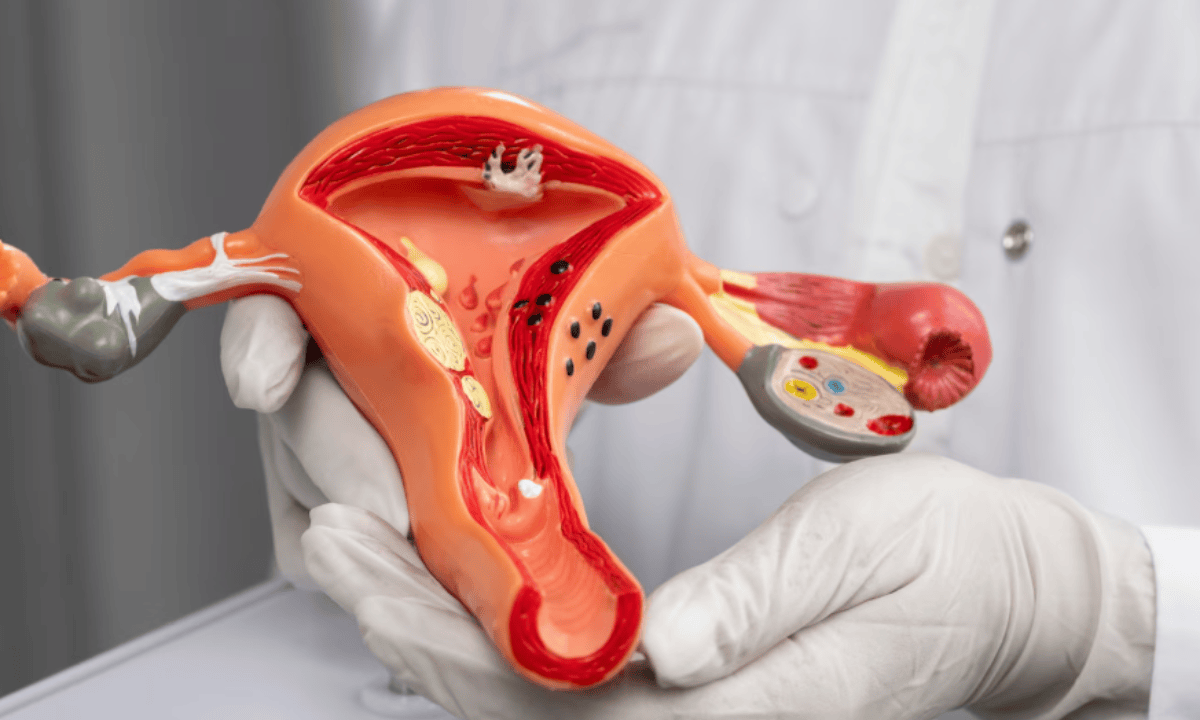
Endometrial cancer is a type of gynaecological cancer that develops in the endometrium, the inner lining of the womb. It is one of the most common gynaecological cancers and typically occurs after menopause, though it could also affect younger women.
Although this cancer is often referred to as uterus or uterine cancer, the two terms are not exactly the same. Uterus cancer is a broader term that describes cancers originating in the uterus, including endometrial cancer and the much rarer uterine sarcoma, which develops in the muscle or supporting tissues of the uterus.
What are the types of endometrial cancer?
Endometrial cancer could develop in different forms, which doctors classify based on how the cancer cells look under a microscope, their grade, and their characteristics.
Type 1
Type 1 endometrial cancers traditionally refer mainly to low-grade endometrioid carcinomas. These cancers are often associated with prolonged exposure to oestrogen and risk factors such as obesity, diabetes, and polyendocrine metabolic ovarian syndrome (PMOS), formerly known as polycystic ovary syndrome (PCOS).
Type 1 cancers generally grow more slowly and tend to have a more favourable outlook than their more aggressive counterparts. However, the outlook could vary depending on the cancer’s stage and grade. This cancer type includes:
Endometrioid carcinoma: the most common type of endometrial cancer, which is often lower grade and slower growing.
Higher-grade endometrioid carcinoma: which may behave more aggressively depending on its characteristics and other features.
Type 2
Type 2 endometrial cancers traditionally refer to several non-endometrioid cancers that tend to behave more aggressively. They are generally less strongly associated with excess oestrogen exposure and have a greater tendency to spread beyond the uterus.
However, this traditional classification does not fully predict how an individual cancer will behave, as its characteristics may also influence its outlook and treatment. This cancer type includes:
Serous carcinoma: an aggressive subtype that could spread beyond the uterus, even when the tumour is relatively small.
Clear cell carcinoma: an uncommon type of endometrial cancer that is generally considered more aggressive.
Undifferentiated and dedifferentiated carcinoma: rare, high-grade cancers that may behave aggressively.
Carcinosarcoma and mixed carcinoma: distinct types of endometrial cancer that have traditionally been grouped under Type 2 or non-endometrioid cancers.
What does endometrial cancer grade mean?

Grade and type provide different information about the cancer. The type describes the characteristics of the cancer cells, while the grade indicates how abnormal they look and how aggressively they may behave.
Endometrial cancer is also assigned a grade by the International Federation of Gynecology and Obstetrics (FIGO) based on how abnormal the cancer cells look under a microscope and how quickly they are likely to grow.
Grade 1: means that the cancer cells closely resemble healthy endometrial cells. They grow slowly and are less likely to spread.
Grade 2: shows that the cells look slightly more abnormal and grow moderately faster.
Grade 3: indicates that the cells appear highly abnormal, grow more quickly and are more likely to spread.
If you are unsure about your tumour grade or cancer type, schedule an appointment with Thomson Women's Clinic & Cancer Surgery. A gynaecological oncologist may perform further tests to confirm your diagnosis.
Our women's cancer specialists
Loading...
Who is at risk for endometrial cancer?
The risk of endometrial cancer increases with age, and most cases are diagnosed after menopause. This increased risk is linked to longer exposure to oestrogen (the hormone that helps the uterine lining grow and thicken), especially when its effects are not adequately balanced by progesterone (the hormone that supports the menstrual cycle and early stages of pregnancy).
After menopause, your ovaries largely stop producing oestrogen and progesterone. However, the body may still produce small amounts of oestrogen from other tissues. When oestrogen is not balanced by enough progesterone, this is sometimes referred to as “unopposed oestrogen”, which could overstimulate the uterine lining and increase the likelihood of developing endometrial cancer.
There are also several other factors that may increase your chances of developing endometrial cancer, such as:
Having excess body weight: which may increase oestrogen levels and contribute to the abnormal growth of the endometrium, particularly after menopause.
Experiencing PMOS, infertility, or irregular menstrual cycles: which may result in prolonged exposure to oestrogen without sufficient progesterone to balance them.
Starting menstruation at an early age or reaching menopause later in life: which could increase the length of time the endometrium is exposed to oestrogen.
Endometrial hyperplasia: a condition where the endometrium grows excessively thick, which could increase the risk of endometrial cancer if left untreated.
Metabolic conditions, including type 2 diabetes, high blood pressure, and metabolic syndrome: which are associated with an increased risk of endometrial cancer.
Furthermore, a small proportion of endometrial cancers are associated with inherited genetic conditions such as Lynch syndrome and Cowden syndrome.
How are different types of endometrial cancer diagnosed?
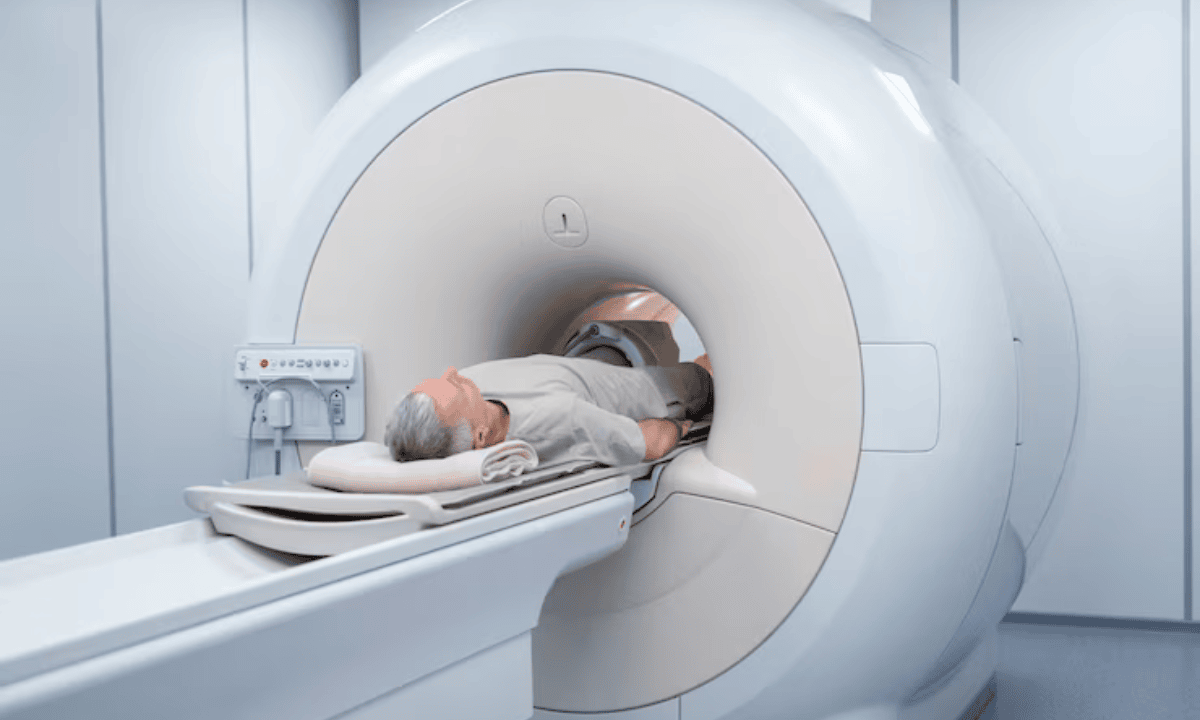
If your doctor suspects endometrial cancer, they may use a combination of imaging tests, laboratory tests and biopsies to confirm the diagnosis and identify the type and grade of cancer. The specific tests recommended may vary depending on your initial findings and suspected cancer type. These results help your specialist better understand the cancer and guide the most appropriate treatment.
Common diagnostic tests may include:
Ultrasound:
Often one of the first imaging tests used to assess the uterus and look for abnormalities in the endometrium.
CT scan:
MRI scan:
An MRI scan uses strong magnetic fields and radio waves to produce detailed images of the uterus and surrounding tissues. It may help assess how deeply the cancer has grown into the uterine muscle and whether nearby tissues are affected.
PET scan:
A PET scan uses a small amount of radioactive glucose to identify areas of increased activity that may indicate cancer cells. It may be used to look for cancer that has spread to other parts of the body.
Blood tests:
These may be used to assess your general health and check how well your liver and kidneys are functioning. Your doctor may also recommend a CA-125 blood test in certain situations, although this marker alone cannot confirm whether endometrial cancer has spread.
Biopsy:
If imaging identifies a suspicious area, your doctor may take a small tissue sample for examination to determine whether cancer cells are present.
How is endometrial cancer treated?
Treatment for endometrial cancer depends on its type, grade, and your overall health and treatment goals. Your specialist may recommend a combination of surgical and non-surgical treatments based on the characteristics of the cancer, with the aim of removing or controlling the cancer and supporting your quality of life.
Surgical treatment
The most common procedure is a hysterectomy, which involves removing the uterus and cervix. Surgery may still be considered if the cancer could be safely removed. Depending on the extent of the cancer, the ovaries, fallopian tubes, nearby lymph nodes, or surrounding tissues may also be removed to help lower the risk of the cancer spreading or recurring.
Non-surgical treatments
If surgery is not suitable or additional treatment is needed, your specialist may recommend one or more of the following:
Radiotherapy: which uses high-energy radiation to destroy cancer cells or reduce the risk of recurrence.
Chemotherapy: which uses anti-cancer medicines to destroy cancer cells that may have spread beyond the uterus.
Hormone therapy: which may be suitable for certain hormone-sensitive endometrial cancers or for women wishing to preserve fertility.
Immunotherapy: which helps the body's immune system recognise and attack cancer cells. This treatment is usually considered for women whose endometrial cancer is linked to Lynch syndrome, as these specific hereditary tumours tend to respond well to immunotherapy drugs.
Targeted therapy: which uses medicines that target certain genetic elements within the cancer cells.
If you are unsure which treatment may be suitable for your condition, consultation with a gynaecological oncologist may help you make a more informed decision. Schedule an appointment with Thomson Women's Clinic & Cancer Surgery.
FAQ
What is the most common age for endometrial cancer?
Endometrial cancer is most commonly diagnosed in women between the ages of 55 and 64 years, with the average age at diagnosis being around 60 years. Although it predominantly affects women after menopause, it can occasionally occur in younger women, particularly those with inherited genetic conditions or certain hormonal and metabolic risk factors.
What are the possible complications of endometrial cancer?
When diagnosed and treated at an early stage, endometrial cancer generally responds well to treatment. However, if left untreated or diagnosed at a more advanced stage, complications may occur, including:
- Spread of the cancer to nearby organs or distant metastasis to other parts of the body.
- Anaemia, which may develop due to prolonged or heavy vaginal bleeding.
If I have endometrial cancer, can I still get pregnant?
Pregnancy is usually not possible after a hysterectomy because the surgical removal of the uterus prevents you from carrying a pregnancy. However, some younger women with very early-stage, low-grade endometrial cancer may be suitable for treatment that preserves fertility, with hormone therapy and close monitoring.
How long is recovery from endometrial cancer?
The duration of endometrial cancer treatment varies depending on the stage of cancer and the treatment plan. Surgical treatment, such as hysterectomy, often involves a hospital stay of a few days followed by around 4 to 8 weeks of recovery before you can return to your daily activities. Non-surgical treatments such as chemotherapy are usually given in cycles, often once every 3 to 4 weeks, and may take several cycles to complete.
Overall, the active treatment phase, whether surgery alone or combined with non-surgical treatments, commonly lasts for several months, while follow-up care typically continues for several years. Follow-up visits are usually more frequent during the first 2 to 3 years to monitor your recovery and check for any signs of recurrence.
The information provided is intended for general guidance only and should not be considered medical advice. For personalised recommendations and advice based on your individual circumstances, schedule an appointment with Thomson Medical.
Reference
Berek, J. S., Matias-Guiu, X., Creutzberg, C. L., Fotopoulou, C., Gaffney, D. K., Kehoe, S., Lindemann, K., Mutch, D. G., Concin, N., Endometrial Cancer Staging Subcommittee, FIGO Women’s Cancer Committee. (2023). FIGO staging of endometrial cancer: 2023. International Journal of Gynecology Obstetrics, 162(2), 383-394. https://doi.org/10.1002/ijgo.14923
For more information, contact us:
Thomson Medical Concierge
- 8.30am - 5.30pm
- WhatsApp: 9147 2051
Need help finding the right specialist or booking for a group?
Our Medical Concierge is here to help you. Simply fill in our form, and we'll check and connect you with the right specialist promptly.
Notice:
The range of services may vary between Thomson clinic locations. Please contact your preferred branch directly to enquire about the current availability.
Get In Touch