

For many people, weight gain is not simply about willpower or eating too much. If you have tried dieting, calorie counting or intense exercise plans only to feel frustrated or stuck in a cycle of losing and regaining weight, you are not alone. Traditional Chinese Medicine (TCM) understands weight changes as a reflection of how well your body is functioning internally.
Rather than pushing the body to burn fat aggressively, TCM weight loss focuses on restoring balance so your body can regulate weight naturally.
What is TCM weight loss?
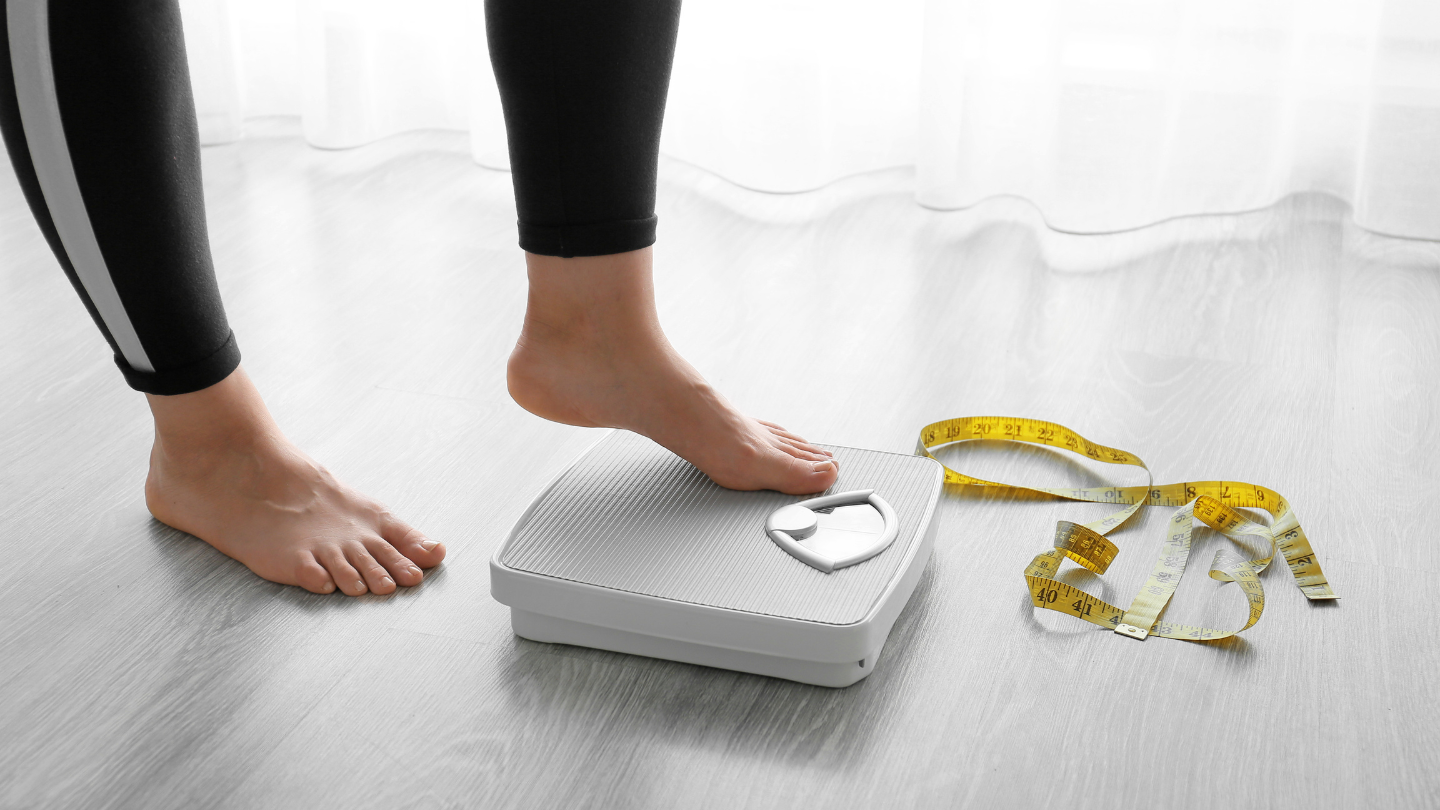
TCM weight loss is a holistic approach that looks at your body as an interconnected system. It recognises that different factors such as digestion, energy levels, or hormones all influence weight.
From a TCM perspective, weight gain is often a sign that your body is struggling to process food, fluids or energy efficiently. When this happens, excess is stored rather than transformed and used. The aim of TCM weight loss is to correct these imbalances so your body can return to a healthier rhythm.
This means the focus is not just on the number on the scale but also on how you feel in your body day to day.
How TCM approaches weight loss
When you begin a TCM weight loss plan, the first step is understanding your unique constitution. Two people with the same weight may gain weight for completely different reasons.
Your practitioner will look at factors such as:
Digestion and appetite
Energy levels throughout the day
Sleep quality
Menstrual or hormonal health
Bloating, water retention or heaviness
Your tongue and pulse are also examined, as they provide insight into how your internal systems are functioning.
Based on this assessment, your physician will come up with a personalised treatment plan. This plan does not aim to suppress hunger or force rapid weight loss. Instead, it works to strengthen weak systems, clear excess accumulation and support your body’s natural metabolic processes.
If you are considering a more personalised and sustainable approach to weight management, schedule a consultation with Thomson Chinese Medicine today. Our qualified TCM physician will take the time to assess your constitution and guide you with a treatment plan tailored to your health.
Common causes of weight gain in TCM
Dampness and phlegm
One of the most common patterns associated with weight gain is “Dampness”. Dampness refers to excess fluids and metabolic waste that the body struggles to transform and eliminate.
You might recognise dampness if you experience symptoms such as:
Persistent bloating
A heavy or sluggish feeling in the body
Water retention
Stubborn weight that is hard to shift
Brain fog or fatigue
When dampness remains in the body for a long time, it can condense into phlegm. In TCM, phlegm is not limited to mucus. It can also refer to deeper accumulations that slow circulation and metabolism, contributing to fat storage.
Qi deficiency
Qi is your vital energy. It powers digestion, movement and mental clarity. When Qi is deficient, especially in the digestive system, your body lacks the strength to process food efficiently.
Qi deficiency may show up as:
Ongoing fatigue
Low motivation to exercise
Cravings for sugary or starchy foods
Weight gain despite eating modest amounts
In these cases, the body is not weak because of overeating but because it lacks the energy to transform what it consumes.
Digestive imbalance
In TCM, the spleen and stomach work together to digest food and transform it into usable energy. Ongoing stress, irregular eating habits, frequent dieting, overeating or too many cold foods can gradually weaken this system.
When digestion becomes sluggish, food is no longer processed efficiently. Instead of nourishing the body, it can accumulate and form dampness, leading to weight gain, bloating and discomfort after meals.
If you’re experiencing ongoing bloating, discomfort, or unexplained weight gain, consider scheduling a consultation with Thomson Chinese Medicine. A personalised assessment can help identify digestive imbalances and guide appropriate support.
Our physicians
Loading...
TCM methods used for weight loss
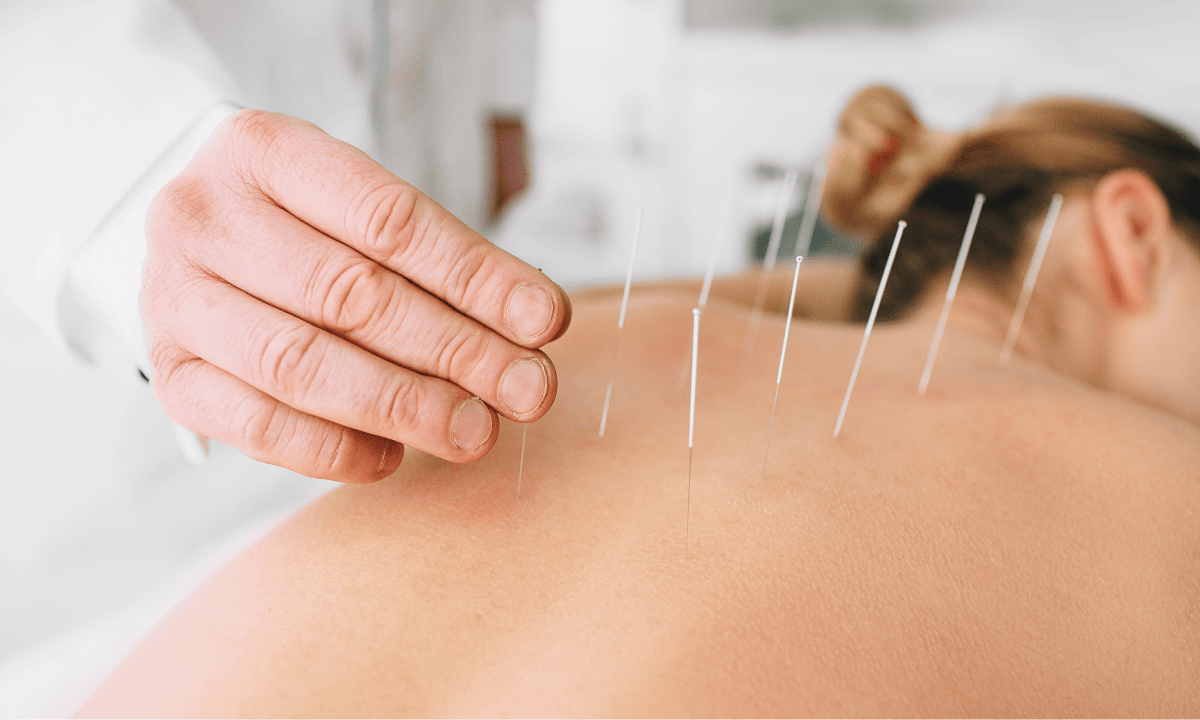
Acupuncture
Acupuncture is commonly used to support weight loss by improving digestion, regulating appetite and reducing stress. Fine needles are placed at specific points to stimulate circulation, balance hormones and strengthen weakened systems.
Many people notice that acupuncture helps them feel calmer and more in tune with their body’s hunger and fullness cues. This can be particularly helpful if emotional eating or stress plays a role in weight gain.
Acupuncture is not about suppressing appetite. It is about restoring balance so your body can regulate itself more effectively.
Herbal therapy
Chinese herbal medicine is a key component of TCM weight loss. Herbal formulas are prescribed based on your specific pattern, not just your weight.
Depending on your needs, herbs may be used to:
Strengthen digestion
Boost metabolism
Reduce water retention
Improve energy levels
Support hormonal balance
Herbal formulas are usually adjusted over time as your body responds to treatment. This ensures the approach remains supportive rather than overly stimulating.
Dietary therapy
Dietary therapy in TCM is not about strict rules or eliminating entire food groups. Instead, it focuses on choosing foods that support your digestive system and reduce internal strain.
You may be guided to:
Eat more warm, cooked meals
Reduce foods that create dampness, such as excessive sugar or greasy foods
Eat at regular times
Pay attention to portion size without extreme restriction
The goal is to nourish your body, not deprive it. Over time, many people find their cravings naturally lessen as digestion improves.
Lifestyle and sleep guidance
Weight gain is often linked to chronic stress and poor sleep. In TCM, rest is essential for restoring Qi and regulating hormones.
Lifestyle guidance may include gentle movement, stress management techniques and hygiene practices. These changes support your nervous system and help your body feel safe enough to release excess weight.
What to expect from a TCM weight loss plan
TCM weight loss is not a quick fix but a gradual process that prioritises internal health. In the early stages, you may notice:
Less bloating
Improved digestion
Better energy levels
More stable moods
Improved sleep
Weight loss often follows these changes rather than happening immediately. This is because the body needs time to rebuild strength and clear internal imbalances.
While this approach requires patience, many people find the results more sustainable and easier to maintain long-term.
Safety considerations
When practised by a qualified TCM practitioner, weight loss treatments are generally considered safe. Acupuncture points and herbal formulas are selected carefully based on your health history and current condition.
TCM weight loss may be a good option if you:
Have tried multiple diets without lasting results
Experience bloating, fatigue or digestive discomfort
Gain weight easily during stressful periods
Prefer a personalised, holistic approach
Want to improve overall wellbeing alongside weight management
It can also be suitable for those who feel burnt out by extreme dieting and are looking for a gentler, more supportive path.
It is important to inform your practitioner if you:
Are pregnant or trying to conceive
Have chronic medical conditions
Are taking prescription medications
This ensures your treatment plan is appropriate and safe for your individual needs.
FAQ
Is TCM effective for weight loss?
TCM can support weight loss when excess weight is linked to internal imbalances such as poor digestion, low energy, or metabolic disruption. Rather than forcing weight loss, it helps your body regulate itself more effectively.
Results vary between individuals, and consistency with treatment and lifestyle changes is important.
How long does it take to see results?
You may notice improvements in digestion, bloating, or energy within a few weeks. Visible weight changes usually happen gradually over several months, depending on your constitution, habits, and commitment to treatment.
Are TCM herbs safe for long-term use?
When prescribed and monitored by a qualified TCM practitioner, many herbal formulas are suitable for longer-term use. Your prescription is typically adjusted over time as your condition changes.
Can acupuncture alone help with weight loss?
Acupuncture can support weight loss by helping regulate appetite, stress, and digestion, but it is most effective when combined with dietary and lifestyle adjustments.
Do I need to change my diet with TCM?
Yes, but changes are practical and personalised rather than restrictive. The focus is on supporting digestion and balance, not calorie counting or extreme dieting.
Will the weight return after stopping treatment?
Because TCM addresses the underlying causes of weight gain, many people find their weight stabilises if they continue the healthy habits developed during treatment.
Can TCM be combined with Western weight loss methods?
Yes. TCM often works well alongside Western approaches such as nutritional guidance or medical care, provided all practitioners communicate clearly and treatments are coordinated.
The information provided is intended for general guidance only and should not be considered medical advice. For personalised recommendations and tailored advice based on your unique situations, schedule a consultation with Thomson Chinese Medicine today.
Physician Jun Negoro
Traditional Chinese Medicine
Thomson Chinese Medicine (TCM Paragon Medical Centre) and 1 other
English, Mandarin
Alliance MediNet
