

Many women are told that fibroids are simply something to live with, but leaving them untreated is not always as harmless as it sounds.
Over time, certain fibroids can progress in ways that affect your fertility, daily comfort, and long-term wellbeing, which is why knowing when to act matters.
Understanding what may change over time helps you feel informed and prepared to take the next step if your symptoms change.
What are fibroids?
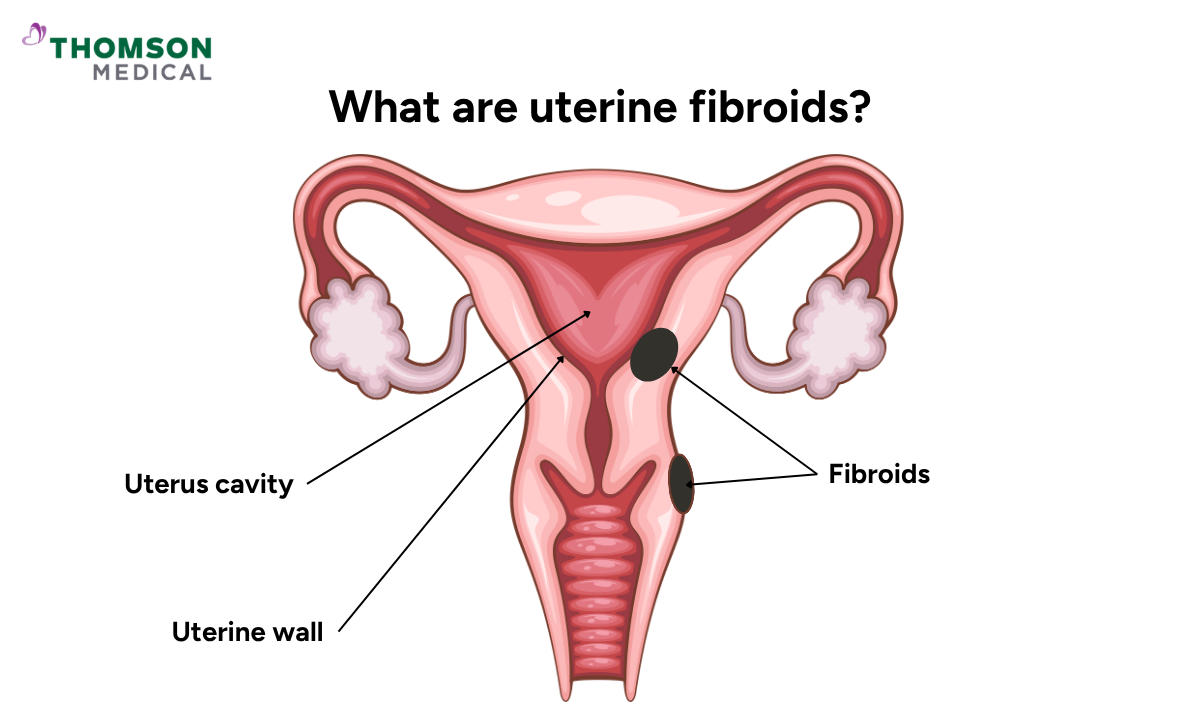
Uterine fibroids are benign (non-cancerous) growths made of muscle and fibrous tissue that develop in or on the uterus. Many women have fibroids without ever knowing, as they often cause no symptoms and are sometimes found by chance during a routine scan.
Can fibroids be safely left untreated?
Fibroids are benign growths. They are not cancer and are not considered a precancerous condition. A rare cancer called leiomyosarcoma can develop in the muscle wall of the uterus, but it is not usually thought of as a fibroid turning cancerous. Rather, it is a separate cancer that may sometimes resemble a fibroid on scans.
Fibroids are not always harmless, though. If they grow large, distort the uterine cavity, cause heavy bleeding, or press on nearby organs, they can affect your health and quality of life.
If your fibroids are not causing symptoms, your doctor may suggest a “watch and wait” approach. This means monitoring your symptoms and arranging follow-up scans when needed, rather than starting treatment straight away.
What can happen over time if fibroids are left untreated?
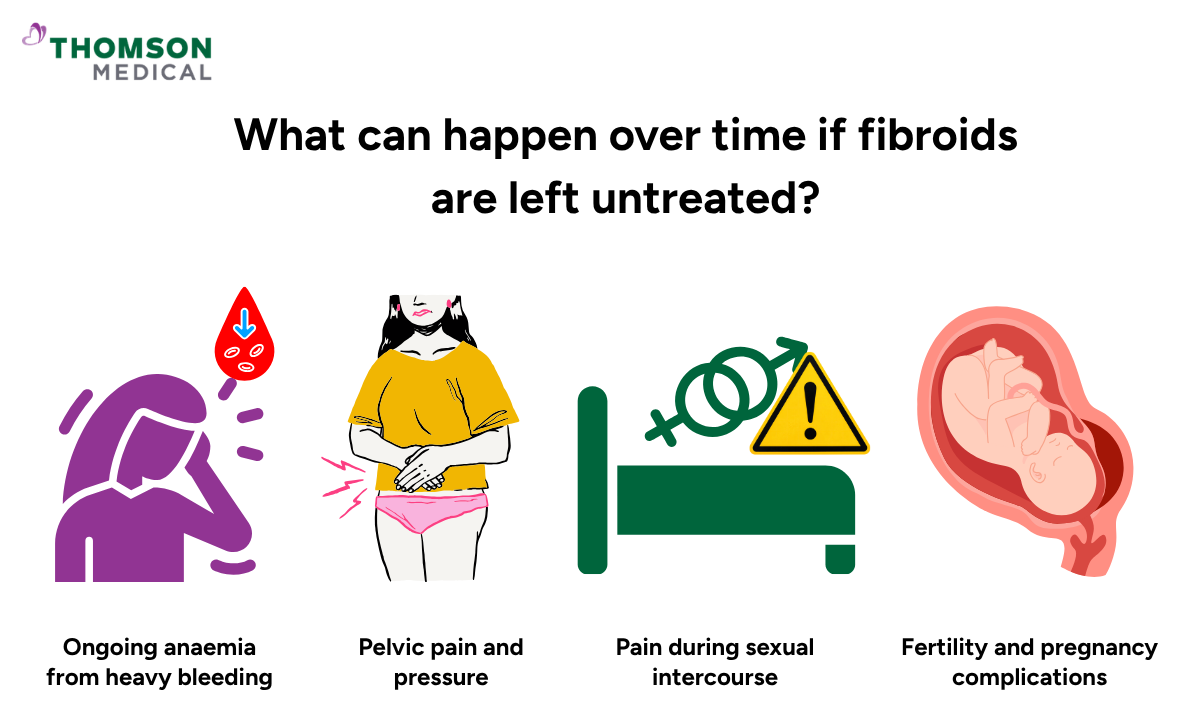
If fibroids grow or shift position over the years, a number of complications can develop. The impact varies from woman to woman, but understanding what may happen helps you recognise when to seek advice.
Ongoing anaemia from heavy bleeding
Heavy periods are one of the most common signs of fibroids. When you lose a lot of blood month after month, your body may struggle to replace iron as quickly as it loses it. This can lead to iron deficiency anaemia, a condition where you do not have enough healthy red blood cells to carry oxygen around your body.
If you have anaemia, you might notice some or all of the following:
Persistent tiredness or weakness that does not seem to lift
Shortness of breath, even with light activity
Heart palpitations (a noticeable fluttering or racing of your heartbeat)
Frequent headaches
Difficulty concentrating or thinking clearly
In more severe cases, your doctor may suggest iron supplements, or in rare situations, a blood transfusion. Because anaemia can develop slowly, even mild but lasting tiredness is worth mentioning to your doctor.
Pelvic pain and pressure on nearby organs
As fibroids grow, they can press on the organs around them. This does not always cause sharp pain. More often, it feels like a dull, persistent pressure that is hard to ignore.
You might notice:
A constant heavy feeling in your lower abdomen
Needing to use the toilet more frequently, because of pressure on the bladder
Constipation or difficulty with bowel movements
Lower back pain that comes and goes
Pelvic discomfort is often mistaken for other conditions for years. Bladder and bowel changes, in particular, are not always linked to fibroids until a scan picks them up.
Pain during sexual intercourse
Large fibroids can cause pelvic pressure or deep pain during intercourse. This is more common than many women realise, and it is worth raising with your doctor. When this kind of pain adds to heavy bleeding and ongoing discomfort, it can also affect your confidence and your relationships.
Fertility and pregnancy complications
Fibroids do not always affect your chances of getting pregnant, but in some cases, they can. Much depends on where your fibroids sit and how large they are. If fibroids run in your family, you may be more likely to develop them yourself, though having a family history does not necessarily mean your fibroids will affect your fertility.
Submucosal fibroids, which grow just beneath the inner lining of the womb and bulge into the space inside it, are most likely to affect conception. They can interfere with how an embryo implants in the womb, and they may also increase the chance of miscarriage.
During pregnancy itself, fibroids can sometimes raise the risk of:
Miscarriage or pregnancy loss
Preterm birth
Foetal growth restriction (when the baby grows more slowly than expected)
The baby being in an unusual position at the time of birth (malpresentation)
Placental complications such as placenta praevia or placental abruption
Needing a caesarean section
It is worth knowing that many women with fibroids do go on to conceive naturally and have healthy pregnancies. Every woman is different. If you are trying to conceive or planning to in the future, a conversation with your doctor can help you understand how fibroids may affect you.
Emotional and psychological impact
Living with fibroids is not purely a physical experience. The emotional side matters just as much.
Unpredictable heavy periods, a bloated or swollen abdomen, and worries about fertility can affect how you feel about yourself day to day.
Over time, you might notice:
Feelings of anxiety or low mood
Pulling back from social activities, particularly around your menstrual cycle
Additional stress if you are trying to start or grow a family
These reactions are understandable and more common among women with fibroids than many people realise. If your symptoms are affecting your mental wellbeing, it is worth mentioning to your doctor. Support is available, and you do not need to manage the emotional side of this on your own.
If fibroid symptoms such as heavy bleeding, pelvic pressure, or fatigue are affecting your daily life, request an appointment with Thomson Medical. Our specialists can arrange a pelvic exam and imaging tests to assess your condition and discuss suitable fibroid treatment options.
When should you see a doctor?
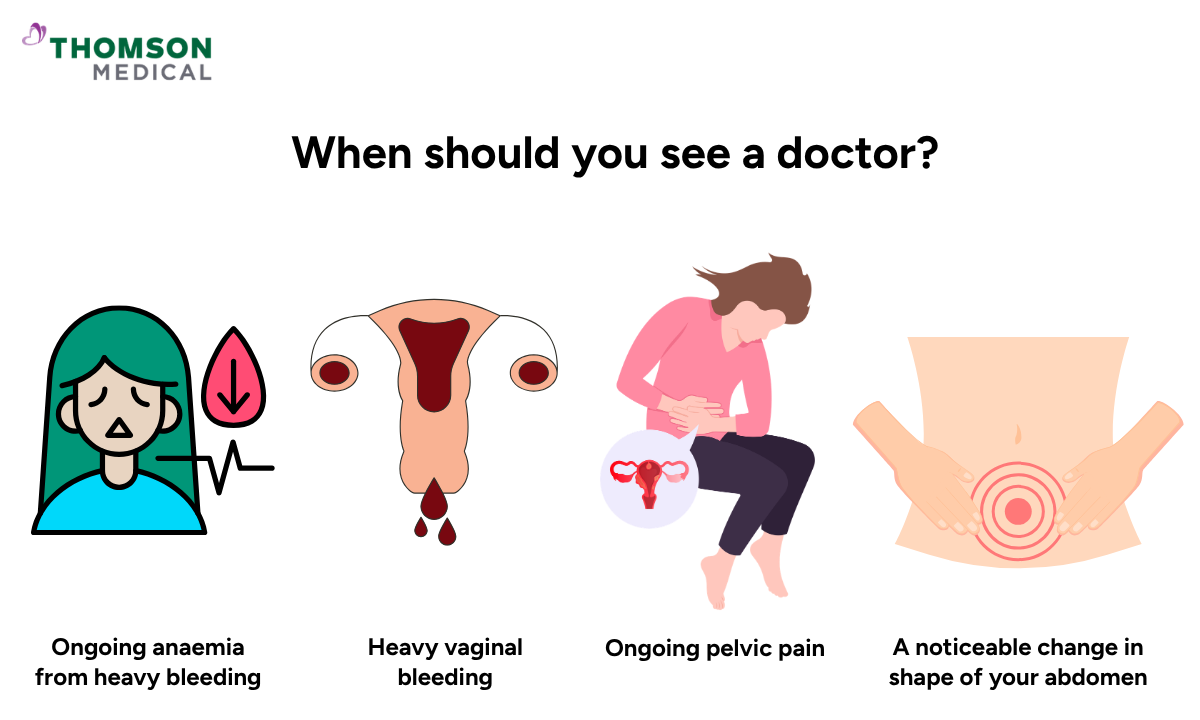
Fibroid symptoms can develop gradually, which means you may grow used to them before you realise they have worsened. Some signs are worth acting on promptly.
If any of the following sound familiar, speak to your doctor:
Heavy vaginal bleeding or bleeding that involves passing large clots
Severe fatigue, dizziness, or breathlessness that could point to anaemia
Ongoing pelvic pain that is not settling down
A noticeable change in the size or shape of your abdomen
Bladder or bowel symptoms that affect daily life
A noticeable change in the size or shape of your abdomen
Difficulty conceiving after trying for 12 months or longer (or 6 months if you are over 35)
Bleeding after menopause
Any fibroid growth after menopause
If you have sudden, severe pelvic pain, please seek medical attention straight away. This can sometimes indicate a complication that needs urgent assessment.
Our gynaecologists
Loading...
How are untreated fibroids assessed and managed in Singapore?
If you are in Singapore and concerned about fibroids, the first step is usually a pelvic exam, followed by an ultrasound scan to get a clearer picture of what is happening.
Your doctor will consider several things:
Your age and stage of life
Whether you would like to get pregnant in the future
The size and position of your fibroids
Any symptoms you are currently experiencing
Treatments that do not involve surgery are typically explored first and may help manage heavy menstrual bleeding, ongoing pelvic pain, and pressure symptoms.
These may include hormonal medications such as GnRH agonists or antagonists, which temporarily lower oestrogen levels and may help shrink fibroids. These medicines are usually used for selected patients and may not be suitable for long-term use, so your doctor will discuss the benefits and side effects with you.
When surgery may be considered
Surgery may be considered when symptoms become more severe.
This might include:
Significant blood loss causing anaemia
Persistent pelvic pain or pressure
Fibroids that are affecting fertility
The two main surgical options are myomectomy and hysterectomy. Uterine artery embolisation (UAE) is a minimally invasive, non-surgical alternative that may also be considered depending on your circumstances.
Having fibroids does not mean your life needs to centre on managing them. Many women live comfortably with fibroids and need little or no treatment. What matters is staying in touch with your doctor, knowing what to watch for, and raising anything that changes.
If you have concerns about fibroids, heavy periods, or pelvic symptoms, regular check-ups can help identify any changes early. Request an appointment with Thomson Medical for an assessment and personalised guidance on monitoring and fibroid care.
FAQ
Do fibroids shrink on their own after the menopause?
Yes, in many cases they do. Because fibroids grow under the influence of oestrogen, they often shrink as hormone levels fall after the menopause.
Symptoms may ease or resolve on their own. This is one reason why a 'watch and wait' approach is commonly recommended for women who are close to the menopause. Fibroids that continue to grow after menopause, or any new bleeding after menopause, however, are unusual and should be assessed promptly.
How quickly do untreated fibroids grow?
Growth rates vary widely. Some fibroids stay the same for years. Others grow more noticeably over a shorter period, particularly during the reproductive years when oestrogen levels are higher. There is no single predictable rate. This is why regular monitoring with ultrasound is useful even when symptoms are mild.
Can fibroids burst or rupture if left untreated?
Fibroids do not typically burst or rupture. They are solid growths made of smooth muscle tissue, not cysts filled with fluid. However, a fibroid can occasionally go through a process called degeneration, where tissue inside it breaks down. This can cause sudden or severe pelvic pain. If you experience this kind of intense pain, seek medical attention promptly.
How are fibroids monitored if I choose not to treat them?
Monitoring usually involves regular pelvic examinations and ultrasound scans. These help track the size and position of your fibroids over time. If your symptoms change or a scan shows notable growth, your doctor may suggest discussing treatment options together.
How are fibroids treated during pregnancy?
Fibroids during pregnancy are usually managed without surgery. Care focuses on rest, hydration, monitoring, and pain relief that is safe to use during pregnancy. Surgery is generally avoided because the womb has an increased blood supply at this time, which raises the risk of bleeding.
In rare cases involving severe complications, your doctor may recommend hospital observation. Most fibroids are monitored throughout pregnancy and treated after your baby arrives, if needed.
At what stage should fibroids be removed?
Your doctor may consider removing fibroids when symptoms significantly affect your health or quality of life. This may include severe bleeding causing anaemia, persistent pelvic pain, fertility difficulties, rapid growth, or pressure on nearby organs such as the bladder or bowel.
The decision is based on your symptoms, fibroid location, whether you would like to have children in the future, and your overall health. Size on its own is not the deciding factor.
Do all fibroids need to be treated?
No, many fibroids do not need treatment. Small fibroids or those not causing symptoms can often be safely monitored over time. Treatment is generally recommended only if fibroids cause significant symptoms, fertility problems, pressure on nearby organs, or reduced quality of life.
The information provided is intended for general guidance only and should not be considered medical advice. For personalised recommendations and tailored advice based on your unique situations, please consult a specialist at Thomson Medical. Request an appointment with Thomson Medical today.
For more information, contact us:
Thomson Specialists (Women's Health)
Thomson Women's Clinic (TWC)
- Novena:
6592 6686 (Call), 8611 8986 (WA) - Bukit Batok:
6569 0668 (Call), 8686 3525 (WA) - Choa Chu Kang:
6893 1227 (Call), 8282 1796 (WA) Jurong:
6262 8588 (Call), 6262 8588 (WA)- Katong (female doctor):
6970 2272 (Call), 8611 9020 (WA) - Punggol:
6243 6843 (Call), 8811 0328 (WA) - Sembawang: 6753 5228
- Sengkang: 6388 8125
- Serangoon (female doctor): 6382 3313
- Tampines: 6857 6266
- Tiong Bahru: 6276 1525