

Having a hysterectomy brings up new worries that you might not feel comfortable asking out loud. “Where does sperm go after this surgery?” is a common question that many women have after a hysterectomy.
While surgery changes your anatomy, it doesn't change how your body responds to sperm during sexual activity. Knowing what happens to sperm, how intimacy may feel going forward, and when it's truly safe to resume sexual activity can replace a lot of uncertainty with clarity.
What is a hysterectomy?
A hysterectomy is a surgical procedure to remove the uterus. Depending on the reason for surgery, your doctor may also remove nearby reproductive organs at the same time.
There are several types of hysterectomy:
Total hysterectomy: removes the uterus and cervix
Subtotal (partial) hysterectomy: removes the uterus, but the cervix remains
Hysterectomy with oophorectomy: removes the uterus plus one or both ovaries
Hysterectomy with salpingo-oophorectomy: removes the uterus, one or both ovaries, and the fallopian tubes.
Radical hysterectomy: removes the uterus, cervix, part of the vagina, and surrounding tissues (usually for cancers such as cervical cancer or ovarian cancer).
In most cases of hysterectomy, the vagina is not removed. Its function remains intact unless specifically altered during surgery.
This is important to understand, especially when it comes to questions about sexual activity, intimacy, and overall quality of life after surgery. For most women, these aspects of life are not lost after a hysterectomy.
What happens internally after a hysterectomy?
It’s natural to feel anxious after something has been removed from your body. This can make you wonder: What’s left? What does everything look like in there now?
After a hysterectomy, your body goes through some internal changes. When your uterus is removed, the top of the vagina is closed with internal stitches, forming what is known as a 'vaginal cuff'.
The vaginal canal still opens to the outside just as it did before, but the pathway that once led to the uterus and fallopian tubes no longer exists. If your ovaries were preserved, they would continue producing hormones as normal.
Once healing is complete, there’s no empty or open space left inside your body. Everything is sealed and supported. Your surrounding organs, like your intestines, naturally and safely settle into the space where the uterus once was.
Your surgeon will discuss these changes with you to make sure you feel fully prepared before the procedure.
Where does sperm go after a hysterectomy?
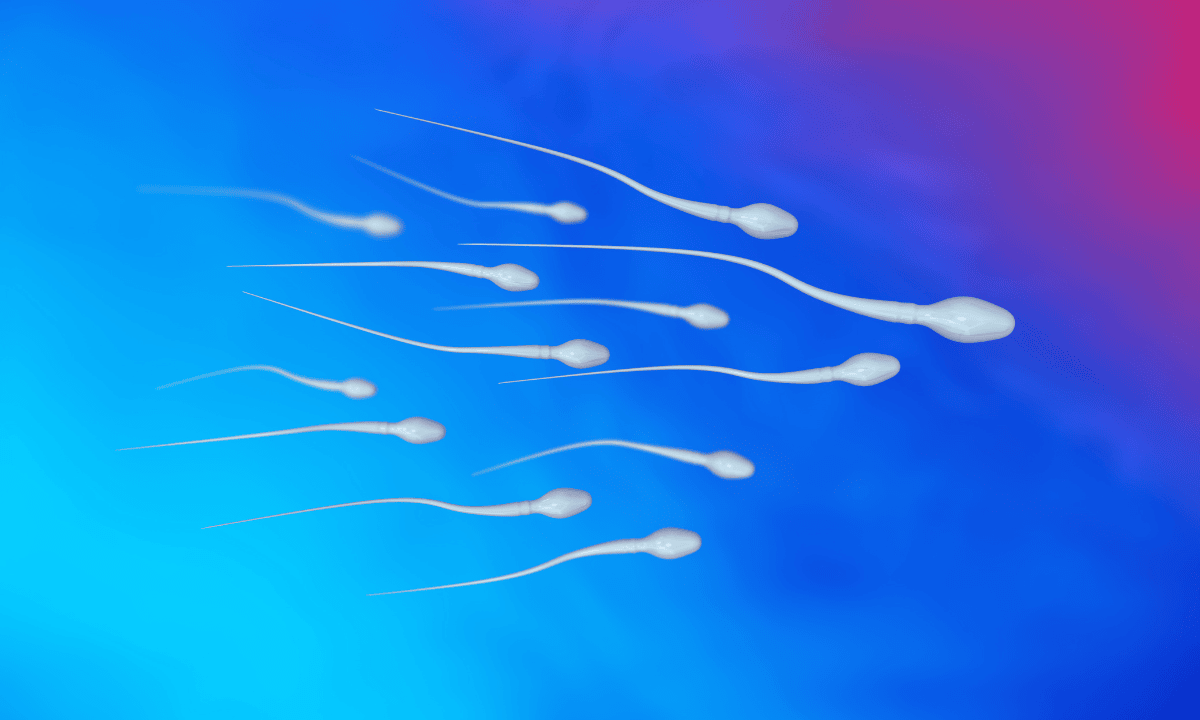
During intercourse, sperm still enters the vagina, but it now has nowhere further to go. With the vaginal cuff in place, there is no longer a cervix to pass through or a uterus to reach. The sperm simply stays in the vaginal canal temporarily.
From there, it’s naturally expelled. It leaks out, gets broken down by your body, and is cleared through normal vaginal secretions. This process is completely harmless and similar to what happens during normal intercourse when sperm does not result in pregnancy. Even without a hysterectomy, your body always has a way of clearing sperm that doesn’t reach an egg.
If you have questions about your anatomy or recovery after a hysterectomy, schedule an appointment with Thomson Medical. Our specialists will walk you through what to expect and address any concerns you have about your body post-surgery.
Gynaecologists at Thomson Medical
Loading...
Can sperm cause any health issues if the uterus is removed?
Generally, no. Sperm itself does not cause health problems after a hysterectomy.
Once the sperm enters the vagina, your body simply processes it naturally.
Here’s what happens:
It cannot enter the abdomen
It doesn’t build up or get trapped anywhere
It doesn’t trigger infection or inflammation on its own
That said, sexually transmitted infections (STIs) can still be transmitted. Your vaginal tissue remains present and susceptible. If a HPV (human papillomavirus) infection is already present, it can continue to affect your vaginal cells even after the cervix is removed.
If you have any concerns about STI exposure, using protection is still a good idea. If you’re unsure what’s right for your situation, it’s worth discussing with your doctor.
How does a hysterectomy affect sexual function?
Many people worry that intercourse will feel “different” or less enjoyable after a hysterectomy. The truth is, a hysterectomy affects every woman differently. For many, sexual function remains the same or even improves. However, others may need an adjustment period before they can resume their normal activities.
You may notice positive changes, including:
Relief from chronic pelvic pain, heavy bleeding, or pressure:
Relief from these symptoms can make intimacy feel more comfortable than before.
Libido:
Libido often returns once your body has fully healed and underlying symptoms are resolved.
You may also experience:
Vaginal dryness:
It can occur, especially if the ovaries were removed and surgical menopause begins.
Emotional adjustment period:
Your body has changed, and that takes time to process.
Anxiety about internal stitches:
It's natural to worry about putting pressure on internal stitches.
These changes are normal and usually manageable with the right support. In most cases, long-term sexual satisfaction after a hysterectomy remains unchanged or even improves, especially once healing is complete.
How soon can sexual activity be resumed safely?
Wondering when it's safe to get back to intimacy is a concern many women share. Even if it feels personal, knowing what to expect can take a lot of the uncertainty out of it.
Recovery time varies, but most doctors recommend waiting 6 to 8 weeks before vaginal intercourse. This allows time for internal stitches to heal properly and for the vaginal cuff to fully close.
Resuming too early can increase the risk of complications, including cuff tearing, bleeding, or infection. In your post-operative check-up, your doctor can confirm whether your body is ready.
If you and your partner are thinking about closeness earlier in your recovery, non-penetrative forms are generally safe. Still, it’s best to check with your surgeon first, as every woman’s healing journey is different.
When should I speak with a doctor?
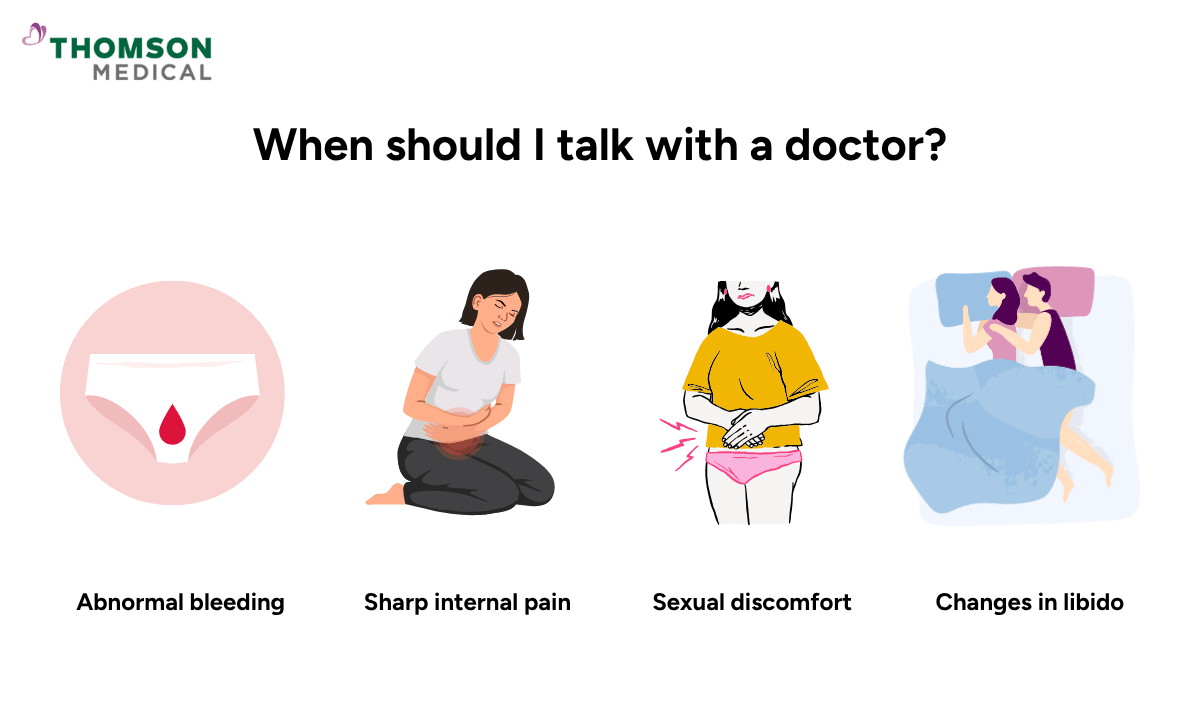
Some discomfort in the early weeks is expected. That said, there are certain signs that are worth bringing to your care team.
Contact your care team if you experience:
Pain or abnormal bleeding during or after sex
A feeling of pressure, pulling, or sharp internal pain
Sexual discomfort that persists months after surgery
Changes in libido, vaginal dryness, or difficulty with orgasm that concern you
These concerns are more common than you may think. Many women go through the same thing after a hysterectomy, and most are very manageable with the right support.
If something feels different from what you expected, reaching out to your care team is always a good idea. They can make sense of what your body is telling you and help you feel like yourself again.
If you're experiencing discomfort or have concerns about your sexual health after a hysterectomy, schedule an appointment with Thomson Medical. Our gynaecology specialists will assess your recovery and provide guidance tailored to your needs.
FAQ
Can I still have an orgasm after a hysterectomy?
Yes. Orgasms come from the clitoris, pelvic muscles, and nervous system, not the uterus. Many people report that orgasms feel the same or even stronger after recovery.
While external (clitoral) orgasms remain unaffected, women who previously experienced deep, internal orgasms from uterine contractions may notice that the sensation feels different.
Will sex feel different after a hysterectomy?
It may feel slightly different at first due to healing, dryness, or emotional adjustment. But most women return to normal or improved sexual sensation over time.
Does preserving the ovaries affect sexual function after hysterectomy?
Yes. Keeping the ovaries helps maintain natural oestrogen and testosterone levels, which support libido, vaginal health, and overall sexual function. If the ovaries are removed, hormone replacement therapy (HRT) can help bridge the gap.
Is it safe to have intercourse after a hysterectomy?
Yes, once you've healed. Intercourse before the vaginal cuff has fully closed carries some risks, such as tearing, bleeding, and infection. But after your doctor confirms you’re ready at the post-operative check, intercourse is safe.
Does it feel different for a man after a hysterectomy?
No. For a partner with a penis, intercourse generally feels the same once healing is complete. The vagina can sometimes be slightly shortened during surgery, but because vaginal tissue is highly elastic, length and sensation usually adapt and feel the same to a partner once healing is complete.
Can sperm cause an infection after a hysterectomy?
Sperm itself doesn't cause infection. Once the vaginal cuff has healed, sperm in the vagina simply stays in the vaginal canal and is expelled naturally.
That said, resuming sex too early, before the cuff has fully healed, can raise infection risk. Not because of the sperm, but because any penetration at that stage can disturb healing tissue.
The information provided is intended for general guidance only and should not be considered medical advice. For personalised recommendations and tailored advice based on your unique situations, request an appointment with Thomson Medical today.
For more information, contact us:
Thomson Specialists (Women's Health)
Thomson Women's Clinic (TWC)
- Novena:
6592 6686 (Call), 8611 8986 (WA) - Bukit Batok:
6569 0668 (Call), 8686 3525 (WA) - Choa Chu Kang:
6893 1227 (Call), 8282 1796 (WA) - Jurong:
6262 8588 (Call), 6262 8588 (WA) - Katong (female doctor):
6970 2272 (Call), 8611 9020 (WA) - Punggol:
6243 6843 (Call), 8811 0328 (WA) - Sembawang: 6753 5228
- Sengkang: 6388 8125
- Serangoon (female doctor): 6382 3313
- Tampines: 6857 6266
- Tiong Bahru: 6276 1525
Notice
The range of services may vary between TWC/TS locations. Please contact your preferred branch directly to enquire about the current availability.
Request an Appointment