

Most women assume a fibroid diagnosis calls for urgent action, but fibroid size and location can play a far bigger role than you think.
Knowing which fibroid sizes are considered dangerous (and what symptoms to watch for) can help you make a more informed decision about your care.
What are fibroids?
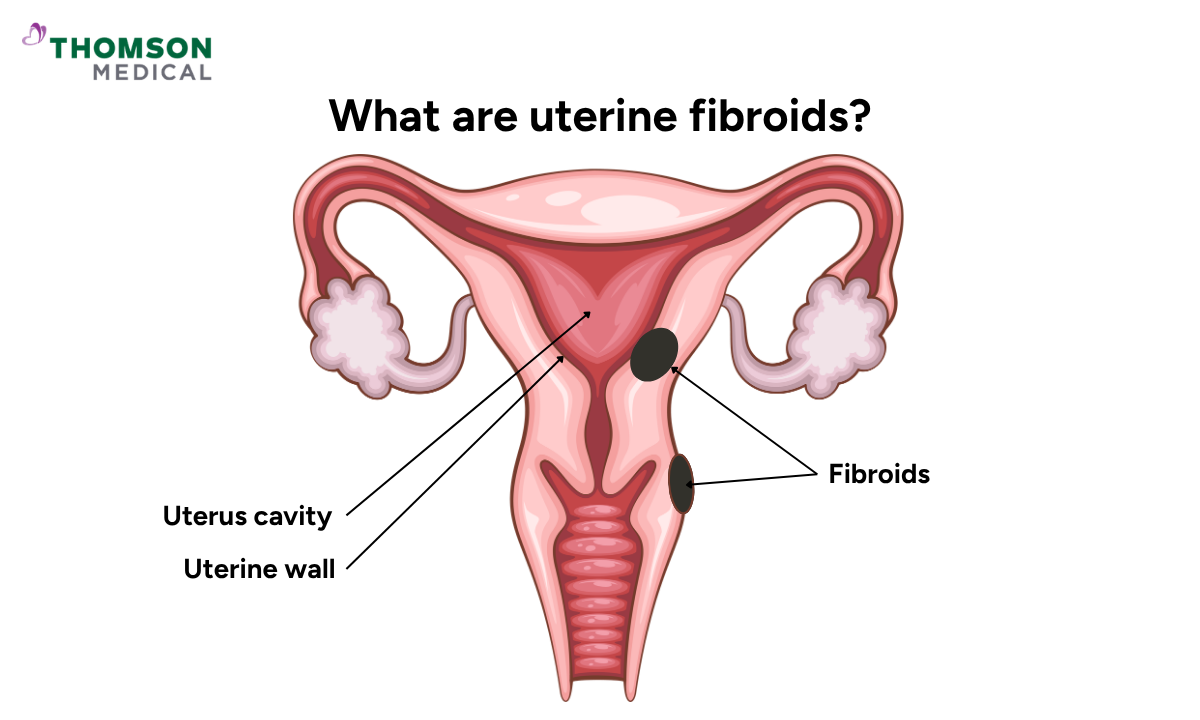
Uterine fibroids are benign (non-cancerous) growths made of muscle and fibrous tissue that develop in or on the uterus, most commonly during the reproductive years.
How are fibroids measured?
Fibroids are measured in centimetres (cm), usually through a pelvic ultrasound or MRI scan. Your doctor may also describe the size of your uterus in terms of pregnancy weeks.
For example, they might say, "Your uterus is around the size it would be at 14 weeks of pregnancy." This helps give a clearer sense of how much space the fibroids are taking up inside your body.
How large can fibroids grow?
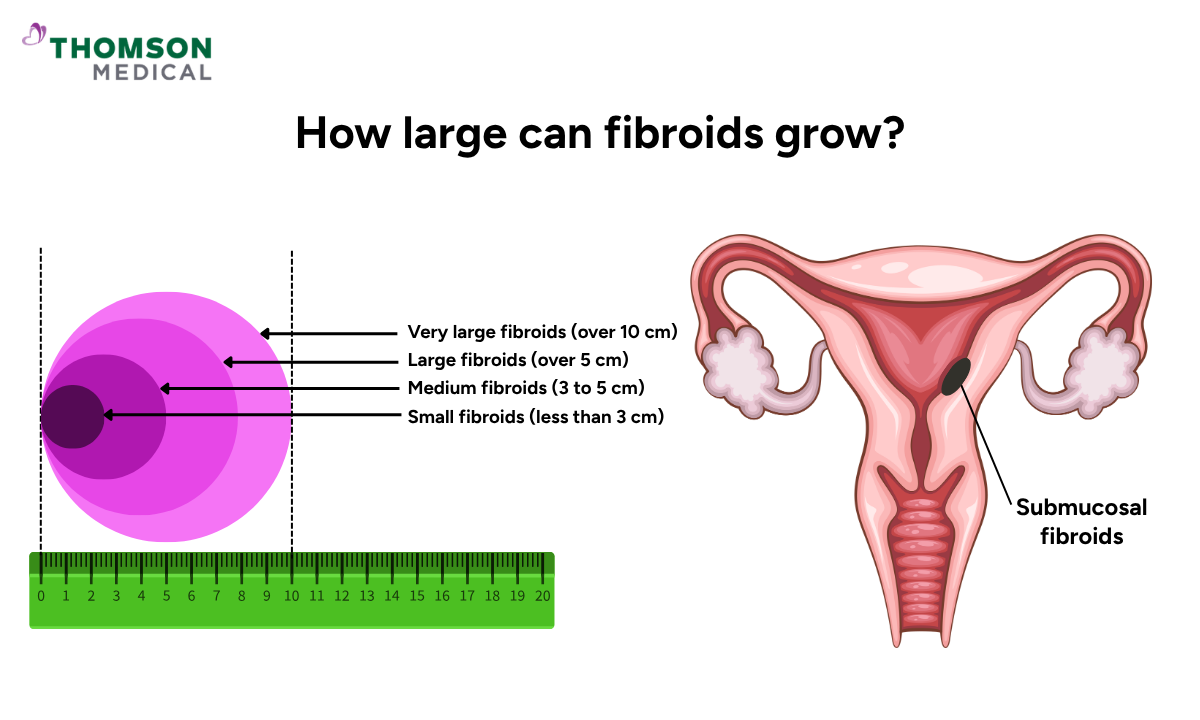
Fibroids can vary widely in size. Some are so small they are barely noticeable, while others can grow large enough to change the size and shape of your uterus. They are generally grouped into three size categories, and each one can affect your body in different ways.
Small fibroids (less than 3 cm)
Small fibroids often cause no symptoms at all. They are commonly found by chance during a routine pelvic exam, and you may have had one for years without ever knowing.
That said, a small fibroid sitting inside the uterine cavity, called a submucosal fibroid, can still cause heavy menstrual bleeding, even if it is very small. This is why your doctor will always consider location alongside size.
Medium fibroids (3 to 5 cm)
Medium fibroids are more likely to cause noticeable changes in how you feel day to day, although location often matters as much as size.
You might experience:
Heavier or longer periods
Mild pelvic pain or discomfort
More frequent urination
These symptoms are not always severe, but they can affect your quality of life over time. That is why they are worth discussing with your doctor.
Large fibroids (over 5 cm)
Large fibroids are more likely to have a visible impact on your body. Those over 10 cm are sometimes called "very large" fibroids.
Symptoms may include:
Visible swelling in your lower abdomen
Constipation
Bladder pressure leading to needing to use the bathroom more often
Back or leg pain
Heavier menstrual bleeding
Painful or difficult sexual intercourse
There is no single fibroid size that is automatically dangerous. Doctors usually look at the fibroid’s size, location, growth pattern, symptoms, your age, pregnancy plans and whether you have reached menopause.
If you are noticing any of these changes, it's a good idea to speak with your doctor. They can talk through what's happening and help you understand the next steps that suit your situation.
Our gynaecologists
Loading...
Why does fibroid size matter?
Size matters because larger fibroids are more likely to create pressure on organs such as the bladder, bowel, and pelvic nerves. This can cause a range of symptoms, from needing to urinate frequently to experiencing ongoing back pain. The bigger a fibroid grows, the more it may start to affect the structures around it.
Size also plays a role in deciding what treatment, if any, is needed. Larger fibroids may need more involved treatment, while smaller ones that are not causing problems can often be monitored over time. Your doctor will consider the size of your fibroids alongside your symptoms and overall health before making any recommendations.
If you think your fibroid symptoms or growth may be affecting your health or daily comfort, it is worth speaking with a healthcare provider. Request an appointment with Thomson Medical to assess your fibroid size, location, symptoms, and treatment options.
Which size of fibroid is dangerous?
There is no single fibroid size that is automatically dangerous. Size is only one part of the picture. A small fibroid inside the uterine cavity can cause heavy bleeding or fertility concerns, while a larger fibroid growing outward from the uterus may cause few symptoms.
Alongside size, your doctor will also consider:
Location:
Fibroids inside the uterine cavity tend to cause more symptoms.
Growth rate:
Rapid growth may need closer monitoring.
Symptoms:
What you are experiencing day to day matters most.
Life stage:
Pregnancy plans and menopausal status can affect how fibroids are monitored or treated.
Rapid growth may prompt your doctor to review the fibroid more closely, especially if it occurs after menopause or comes with new symptoms. However, growth rate alone cannot confirm whether a fibroid is benign or serious.
Some small fibroids cause significant disruption. Some large fibroids cause none at all.
What causes fibroids to grow?
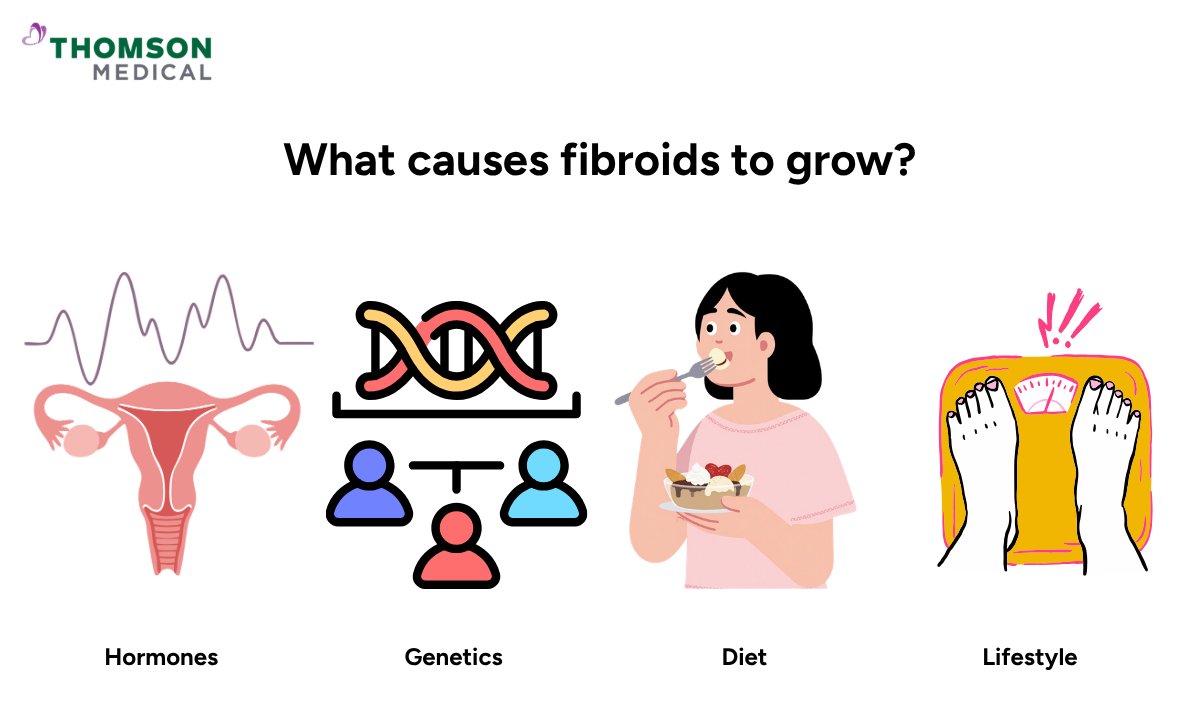
Fibroids do not grow in the same way or at the same rate for every woman. Several factors may contribute to their development. Understanding these can sometimes help make sense of your own experience.
These factors include:
Hormones:
Changes in hormone levels, particularly oestrogen and progesterone, can encourage fibroid growth, which is why fibroids often shrink after the menopause.
Genetics:
Fibroids tend to run in families, so you may be more likely to develop them if a close relative has had them.
Diet:
A diet high in red meat or low in vitamin D may be associated with fibroid growth.
Lifestyle:
Carrying excess weight, drinking alcohol, smoking, and high blood pressure may also influence how fibroids develop over time.
None of these factors on its own guarantees fibroid growth, but they can help explain why some women are more affected than others.
Possible complications of larger fibroids
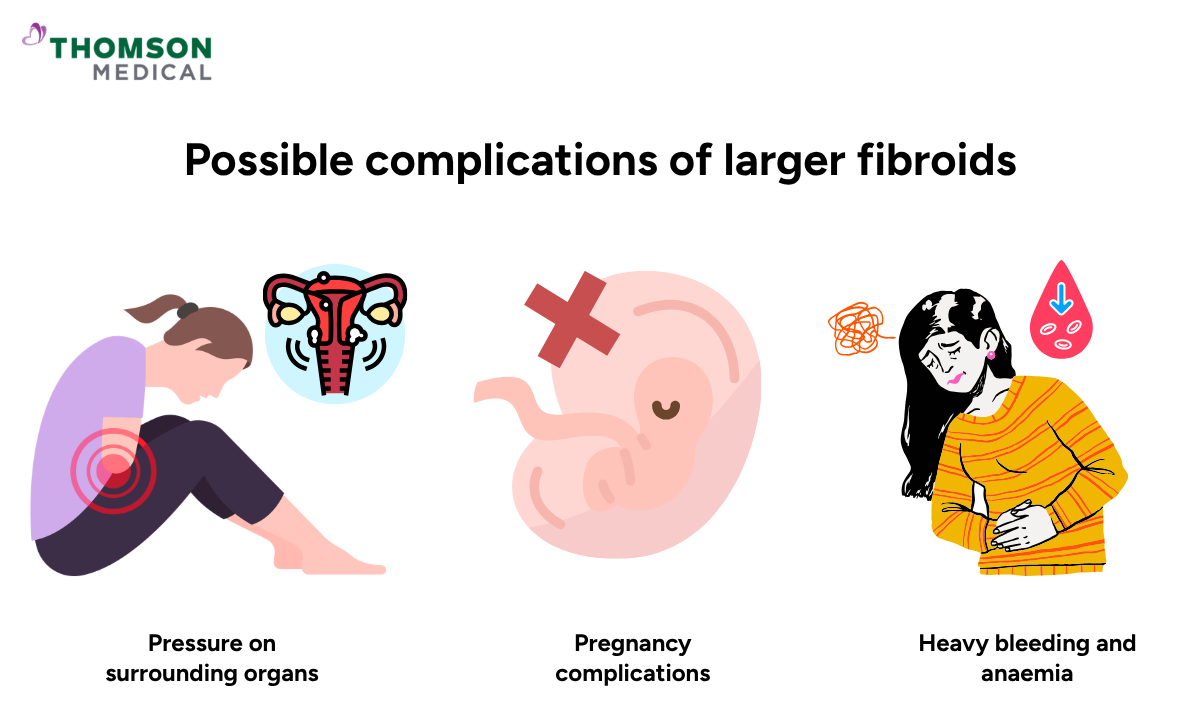
While many women with fibroids live comfortably without any complications, larger fibroids can sometimes cause more serious health risks over time. Not all women with fibroids experience these complications, but knowing what to watch for can help you seek advice early.
Pressure on surrounding organs
As a fibroid grows, it can start to press on the organs and tissues around it.
This may lead to:
Frequent urination, if the bladder is being compressed
Constipation, if the rectum is affected
Back or leg pain, if pressure is placed on the pelvic nerves
Bladder pressure is the most commonly reported of these. Women with large fibroids sometimes experience urinary symptoms for years before the fibroid is identified as the cause.
These symptoms can range from mildly inconvenient to significantly disruptive, and your doctor can help you find ways to manage them.
Pregnancy complications
If you are pregnant or hoping to become pregnant, you may be wondering how your fibroids might affect your pregnancy.
Larger fibroids, particularly those that change the shape of the uterine cavity, may increase the chance of pregnancy complications, including:
Preterm labour
Abnormal baby positioning
Submucosal fibroids are more likely to affect fertility and pregnancy because they sit inside or distort the uterine cavity, where implantation and pregnancy development occur. In this context, location matters more than size.
It is important to know that many women with fibroids go on to have healthy pregnancies. If you have any concerns, your doctor or midwife can give you personalised guidance based on the size and position of your fibroids.
Heavy bleeding and anaemia
Fibroids, especially submucosal ones, can cause heavy menstrual bleeding. Over time, this can lead to iron deficiency anaemia, which may leave you feeling persistently tired, breathless, or lightheaded.
If your periods have become noticeably heavier, it is worth speaking to your doctor promptly.
When do fibroids need treatment?
Not all fibroids need treatment, and many women manage well without any intervention. Your doctor may recommend regular monitoring if your fibroids are small and not causing symptoms.
Treatment is more likely to be discussed if you are experiencing:
Heavy menstrual bleeding causing iron deficiency anaemia
Ongoing or severe pelvic pain
Fibroids that are growing rapidly
Fertility issues such as difficulty conceiving or maintaining a pregnancy
Pelvic pressure symptoms that are getting in the way of daily life
Fibroids that continue to grow after the menopause
If any of these apply to you, or if your symptoms are affecting your daily life, it is worth raising them with your doctor.
Treatment options based on fibroid size
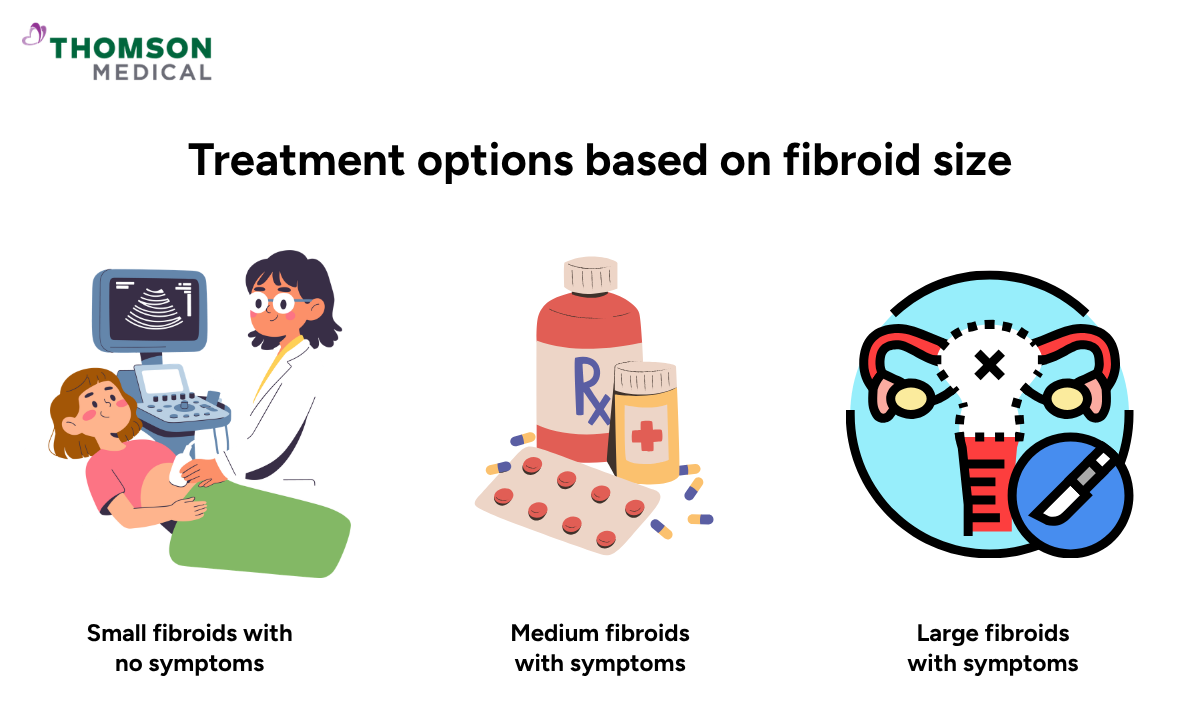
Treatment depends on your individual situation, and what is right for one woman may not suit another. Both the size of your fibroids and the symptoms you are experiencing will guide what your doctor recommends.
In general terms:
Small fibroids with no symptoms:
Regular monitoring is often all that is needed, with scans to check for any changes over time.
Medium fibroids with symptoms:
Medication or minimally invasive treatments may help to manage symptoms without the need for major surgery.
Large fibroids with symptoms:
Myomectomy, a surgery that removes fibroids while preserving the uterus.
Uterine artery embolisation, a procedure that blocks the blood supply to fibroids, causing them to shrink.
Hysterectomy, which removes the uterus and permanently prevents fibroids from returning.
Larger fibroids are more likely to need surgical management, but this is not always the case. The right option also depends on whether you wish to preserve your fertility, as some treatments, including hysterectomy, may affect your ability to become pregnant.
If you are unsure about your options, ask your doctor to explain them in detail before making any decisions.
Whether your fibroids are small, growing, or causing significant symptoms, understanding your options can help you make informed decisions. Request an appointment with Thomson Medical to discuss suitable treatment approaches for your situation.
FAQ
Does fibroid location matter as much as size?
Yes, sometimes even more. A small submucosal fibroid can cause severe bleeding, while a larger subserosal fibroid (one growing on the outer wall of the uterus) may cause very few symptoms.
Can small fibroids cause serious problems?
Yes. Even a small fibroid sitting inside the uterine cavity can lead to heavy menstrual bleeding or fertility issues.
What size fibroids should be removed?
There is no strict size threshold. Treatment may be considered when:
- Symptoms become significant
- Fibroids are larger than 5 to 7 cm and causing pelvic pain or pressure
- Fertility is affected
- Rapid growth occurs
How fast do fibroids grow?
Fibroid growth rates vary from person to person. Some fibroids grow slowly over years, while others enlarge more noticeably within months. Hormone levels play a major role in growth.
Can fibroids shrink on their own?
Yes. Fibroids often shrink after the menopause due to lower hormone levels. Some medications may also temporarily reduce fibroid size.
However, fibroids do not usually disappear completely. Instead, they tend to shrink, and some women may still have small residual fibroids after their menopause. Any new bleeding or continued growth after menopause should be checked.
Does fibroid size affect fertility?
It can. Larger fibroids, especially those that distort the uterine cavity, are more likely to affect your fertility by interfering with implantation.
The information provided is intended for general guidance only and should not be considered medical advice. For personalised recommendations and tailored advice based on your unique situations, please consult a specialist at Thomson Medical. Request an appointment with Thomson Medical today.
For more information, contact us:
Thomson Specialists (Women's Health)
Thomson Women's Clinic (TWC)
- Novena:
6592 6686 (Call), 8611 8986 (WA) - Bukit Batok:
6569 0668 (Call), 8686 3525 (WA) - Choa Chu Kang:
6893 1227 (Call), 8282 1796 (WA) Jurong:
6262 8588 (Call), 6262 8588 (WA)- Katong (female doctor):
6970 2272 (Call), 8611 9020 (WA) - Punggol:
6243 6843 (Call), 8811 0328 (WA) - Sembawang: 6753 5228
- Sengkang: 6388 8125
- Serangoon (female doctor): 6382 3313
- Tampines: 6857 6266
- Tiong Bahru: 6276 1525