

Bloating usually comes down to diet, stress, or digestion, and most of the time that’s usually what it is. Less commonly, it has a different cause altogether, such as uterine fibroids large enough to take up space in the pelvis, pressing on the bladder and bowl, creating a feeling of fullness or pressure that doesn’t come and go with meals.
That difference is the useful part. Here’s how fibroids cause bloating, what distinguishes it from digestive bloating, and which other symptoms tend to appear alongside it.
What are uterine fibroids?
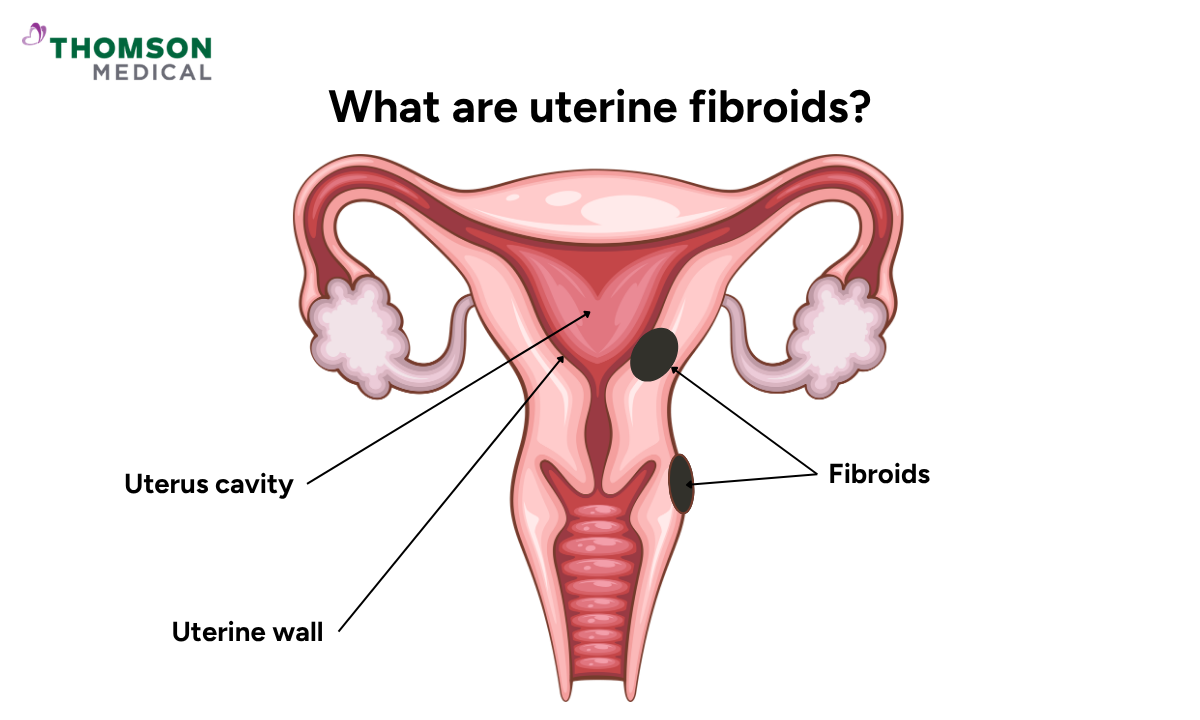
Uterine fibroids are benign (non-cancerous) growths that develop in or around the uterus. They grow from the smooth muscle tissue of the uterine wall and could vary widely in size and number. Some are barely detectable and cause no symptoms at all, while others grow large enough to distort the shape of the uterus entirely.
Fibroids are strongly influenced by hormones, particularly oestrogen and progesterone. This is why they are most common in women of reproductive age, particularly in their 30s and 40s.
Why do fibroids cause bloating?
Fibroids may cause bloating and a sensation of abdominal fullness, especially when they grow large enough to put pressure on nearby organs and tissues. This sensation is often described as a feeling of heaviness, tightness, or swelling in the lower abdomen.
However, fibroid bloating tends to feel different from bloating caused by food or digestion. The most common symptoms include:
A firm or swollen lower abdomen:
Unlike gas-related bloating, the abdomen may feel hard or dense rather than soft.
Pelvic pressure or heaviness:
A persistent sensation of weight or fullness in the lower pelvic area that is not caused by mealtime.
Visible abdominal enlargement:
Some women notice a rounded lower abdomen that does not change with diet or time of day.
Clothing fitting differently:
Waistbands or fitted clothing may feel tighter even without any weight gain.
Bloating that does not resolve:
While it may feel similar to bloating before a period or after a large meal, fibroid-related bloating is often more persistent and does not settle as easily on its own.
If you experience these symptoms and the swelling or pressure is persistent, speak to your doctor to find out what is causing it. Request an appointment with Thomson Medical to discuss your symptoms and explore suitable next steps.
How do fibroids affect the digestive system?
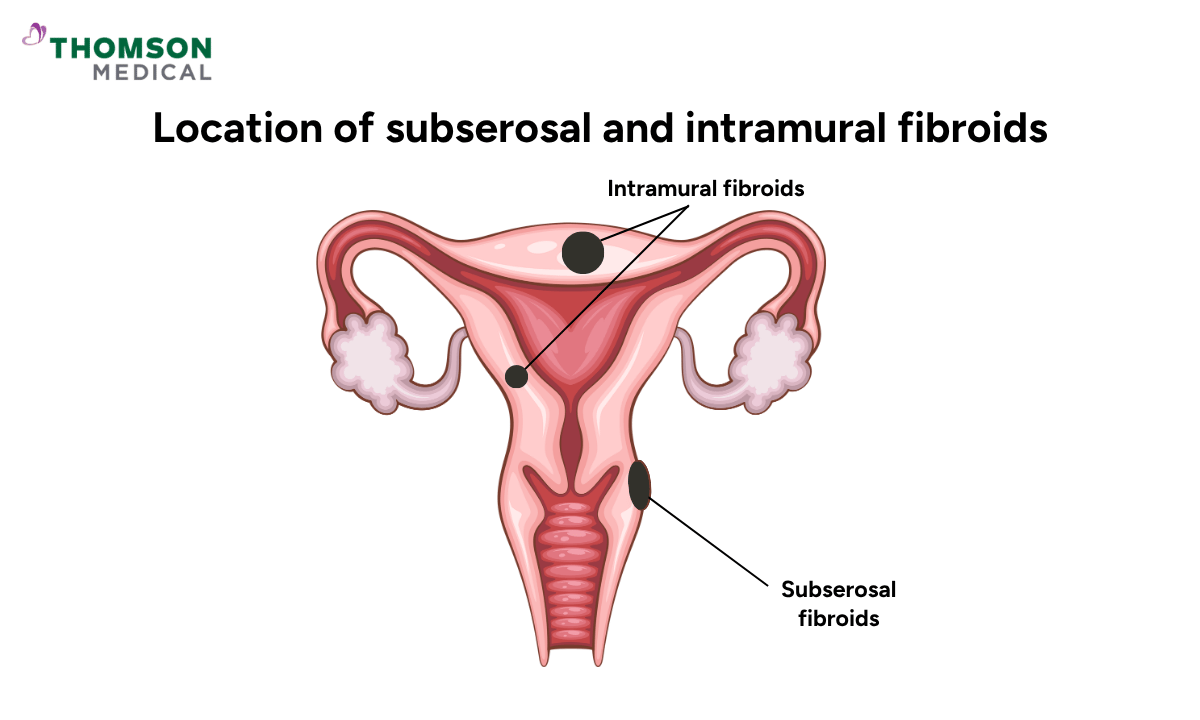
Fibroids may affect more than just your uterus. As they grow, they may press against nearby organs such as the bowel or rectum, which could interfere with normal digestion and bowel function.
How much they affect your digestion largely depends on where they grow. For instance, subserosal fibroids grow outward from the uterus and are particularly likely to push against the bowel or rectum. Intramural fibroids, which develop within the wall of the uterus, may also contribute to this pressure as they expand.
This pressure could affect your bowels and digestion in several ways:
Constipation or difficulty passing stool
A feeling of incomplete bowel emptying
Abdominal cramps or discomfort after eating
Slower gut movement, which may worsen bloating and gas
Our O&G specialists
Loading...
Factors that affect fibroid bloating
Not everyone with fibroids experiences bloating to the same degree. Several factors could influence how much pelvic pressure and discomfort you feel:
Size:
Large fibroids are more likely to push against surrounding organs and cause noticeable abdominal swelling.
Location:
Fibroids that grow outward toward the abdomen or toward the rectum tend to cause more pressure symptoms.
Number:
Multiple fibroids may collectively distort the uterus and the space around it.
Hormonal changes:
Hormonal fluctuations across your menstrual cycle could also cause fibroids to swell temporarily, making bloating worse at certain points in the month.
How to manage bloating caused by fibroids?
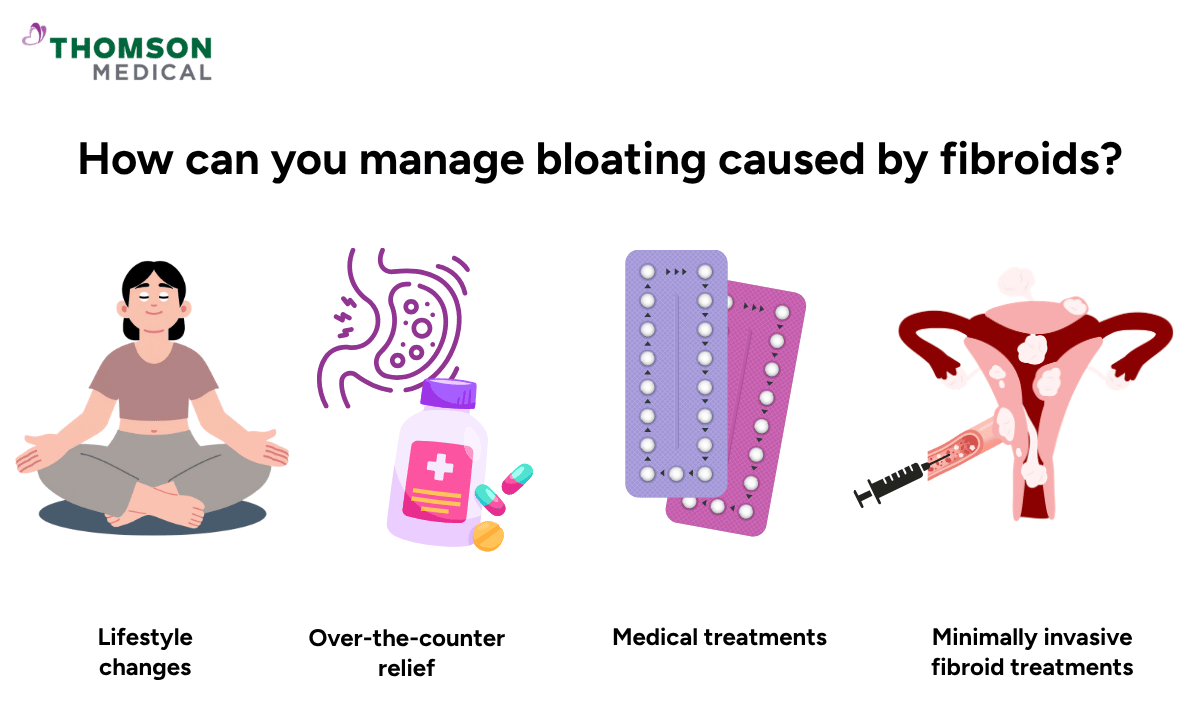
Managing bloating from fibroids often involves a combination of everyday habits and, where needed, medical support. The right approach depends on how much your symptoms are affecting you.
Lifestyle changes
Bloating from fibroids is often worsened by constipation and sluggish digestion. Both of these may be improved with consistent daily habits.
Helpful habits include the following:
Gentle movement, such as walking or yoga, to support digestion and ease pelvic pressure.
Staying well hydrated, to reduce constipation, which could worsen bloating.
Pelvic floor exercises, to ease feelings of heaviness and pressure in the lower abdomen.
Over-the-counter relief
If bloating is linked to gas or constipation, some pharmacy options may offer short-term comfort while you explore further support.
Options include:
Mild stool softeners may help if constipation is contributing to your discomfort.
Anti-gas medications may offer temporary relief from bloating from gas.
Diet
Although it will not shrink the fibroids themselves, a healthy diet may help reduce some of the bloating and digestive discomfort caused by fibroids, as well as helping to keep your bowel movements regular.
Certain foods and habits that may worsen fibroid-related bloating include:
Carbonated drinks.
High-sodium foods.
Large amounts of processed carbohydrates.
Foods known to cause excess gas.
On the other hand, a few simple changes may ease digestive discomfort:
Eat plenty of fibre-rich foods such as vegetables, whole grains, and legumes.
Drinking enough water throughout the day.
Having smaller, more frequent meals rather than large ones.
Medical treatments
If your symptoms persist, your doctor may suggest medical treatments to help manage fibroids and the pressure that comes with them.
Options may include:
Hormonal contraceptives: such as combined oral contraceptive pills or hormonal injections, which may help manage heavy menstrual bleeding and pelvic discomfort.
GnRH agonists: which could temporarily reduce fibroid size by lowering oestrogen levels.
Tranexamic acid: which does not contain hormones and may help reduce the volume of bleeding during periods.
Minimally invasive fibroid treatments
For women who would prefer to avoid major surgery, there are several minimally invasive fibroid treatment options that could directly target the fibroids. These procedures include:
Uterine artery embolisation (UAE):
Also known as uterine fibroid embolisation, this procedure blocks the blood vessel that supplies blood flow to fibroids, which may cause them to shrink over time and help relieve pain.
While pregnancy is possible after UAE, the procedure carries a higher risk of certain pregnancy complications compared to other procedures such as a myomectomy.
Magnetic resonance-guided focused ultrasound (MRgFUS):
Non-invasive destruction of fibroids using focused sound waves under MRI guidance. This may help relieve symptoms and reduce fibroid size in suitable candidates.
These procedures are generally associated with shorter recovery times compared to open surgery.
Fibroid surgery
If other treatments are not suitable or have not provided enough relief, fibroid surgery may be considered.
A myomectomy removes the fibroids while still preserving the womb, making it a suitable option if you are planning a future pregnancy. While a hysterectomy removes the uterus entirely and is usually considered when other treatments have not provided enough relief and a future pregnancy is not planned.
Your doctor will help you understand which option suits your situation and what recovery involves.
When should you see a doctor?
Some bloating from time to time is normal, but there are signs that deserve a proper medical assessment.
Speak to your doctor if you notice any of the following:
Bloating or abdominal swelling that is persistent or getting worse
Pelvic pain or ongoing pelvic pressure
Heavy menstrual periods
Changes in your bowel habits or persistent constipation
More frequent urination than usual
Signs of iron deficiency anaemia, such as fatigue, dizziness, or paleness
Your doctor will likely start with a pelvic examination and may arrange a transvaginal ultrasound or MRI scan to get a clearer picture of what is happening. Identifying fibroids early allows them to be monitored before symptoms become difficult to manage.
If you experience persistent bloating that does not improve, particularly when combined with pelvic pain or heavy periods, it is worth getting checked. Request an appointment with Thomson Medical to discuss your symptoms and explore your treatment options.
FAQ
Can small fibroids cause bloating?
Yes, even small fibroids can contribute to bloating, although the effect is usually mild. Fibroids located near the bladder or bowel may create a sensation of pressure, fullness, or abdominal discomfort even when they are relatively small.
How quickly does bloating improve after fibroid treatment?
The speed of improvement varies from woman to woman and depends on the type of treatment and the size of the fibroids. Treatments that remove or shrink fibroids often reduce bloating gradually as pressure on the bowel, bladder, and surrounding tissues eases over time.
Hormonal treatments may also help, although it can take longer to notice an improvement in symptoms. Meanwhile, lifestyle measures such as dietary changes, staying active and managing constipation may help to ease bloating.
Does stress contribute to fibroid bloating?
Stress does not directly cause fibroids, but it can worsen bloating and digestive discomfort. Chronic stress may affect digestion, fluid retention, inflammation, and hormone balance, which can increase the sensation of abdominal fullness or pressure.
Stress management techniques such as walking, yoga, mindfulness, and adequate sleep may help improve symptoms.
Are there ways to manage fibroid bloating without surgery?
Lifestyle changes, dietary adjustments, and staying on top of constipation can ease abdominal discomfort. Hormonal therapies and minimally invasive procedures such as uterine artery embolisation may also help reduce fibroid size and pressure without major surgery.
How do I know if bloating is caused by fibroids or another condition?
Bloating from fibroids is often accompanied by symptoms such as heavy periods, pelvic pressure, urinary frequency, or abdominal fullness. However, digestive disorders, ovarian cysts, hormonal changes, and other conditions can cause similar symptoms.
A doctor may recommend a pelvic examination, ultrasound, or MRI to determine whether fibroids are contributing to the bloating.
Do fibroids cause the stomach to swell?
Fibroids can enlarge the uterus, which may push outward against the abdominal wall and create a swollen or rounded appearance. Larger fibroids or multiple fibroids can make the lower abdomen feel firm, swollen, or visibly enlarged, which is sometimes described as abdominal enlargement caused by fibroids.
The information provided is intended for general guidance only and should not be considered medical advice. For personalised recommendations and tailored advice based on your unique conditions, request a consultation with Thomson Medical.
For more information, contact us:
Thomson Specialists (Women's Health)
Thomson Women's Clinic (TWC)
- Novena:
6592 6686 (Call), 8611 8986 (WA) - Bukit Batok:
6569 0668 (Call), 8686 3525 (WA) - Choa Chu Kang:
6893 1227 (Call), 8282 1796 (WA) Jurong:
6262 8588 (Call), 6262 8588 (WA)- Katong (female doctor):
6970 2272 (Call), 8611 9020 (WA) - Punggol:
6243 6843 (Call), 8811 0328 (WA) - Sembawang: 6753 5228
- Sengkang: 6388 8125
- Serangoon (female doctor): 6382 3313
- Tampines: 6857 6266
- Tiong Bahru: 6276 1525