

When you reach your late teens or early adulthood, you may suddenly experience discomfort or swelling at the back of your mouth. This is often caused by your wisdom teeth emerging when your jaw has already fully developed, leaving them without enough room to grow properly.
Knowing why these teeth cause problems, when extraction may be necessary, and what to expect during the procedure can help you make informed decisions about your oral health.
What are wisdom teeth?
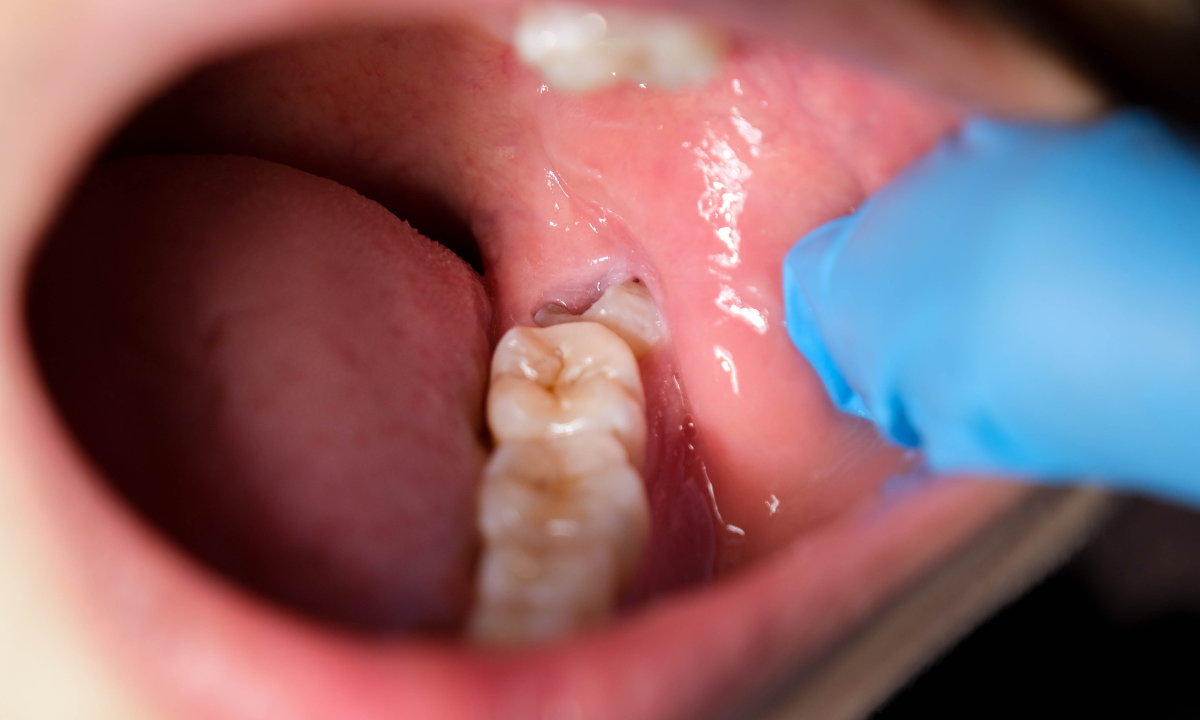
Wisdom teeth, or third molars, are the last set of molars to develop. They usually appear in late adolescence or early adulthood. Most people have four wisdom teeth, with one in each corner of the mouth, although it is also normal to have fewer or none at all.
They are called “wisdom teeth” because they tend to emerge between the ages of 17 and 25, a stage of life traditionally linked with growing maturity. These wisdom teeth also develop later than your permanent teeth.
Why should wisdom teeth be removed?
Wisdom teeth often face challenges during eruption due to limited space in the jaw. They may emerge at awkward angles or become impacted, meaning they do not fully emerge from the gum line.
Impacted wisdom teeth can cause various issues, including pain, infection, and damage to neighbouring teeth.
Is wisdom tooth extraction necessary?
Because wisdom teeth emerge later in life and often have limited space to grow, they can lead to several problems. Common issues include:
Difficulty cleaning:
Wisdom teeth sit at the very back of the mouth, where brushing and flossing are harder to reach. This can increase the risk of tooth decay and gum disease such as gingivitis.
Infection and gum disease:
Partially erupted or impacted wisdom teeth may create small pockets of bacteria build-up. Over time, this can lead to infection, periodontal disease, and gum inflammation.
Pericoronitis:
This is the inflammation of the gum tissue around a partially erupted wisdom tooth. It may cause:
Pain
Swelling
Difficulty opening the mouth
In rare cases, untreated infection can spread to the mouth and neck, leading to a more serious condition known as Ludwig's Angina.
Damage to nearby teeth:
When wisdom teeth grow at an angle or push against neighbouring teeth, food can become trapped between them. This increases the risk of decay in both the wisdom tooth and the adjacent tooth.
Cyst formation:
In some situations, a cyst (fluid-filled sac) can develop around an impacted wisdom tooth. If left untreated, it may damage surrounding bone and nearby teeth.
If you’re experiencing discomfort or are unsure whether your wisdom teeth need attention, consider scheduling a consultation with Thomson Dental Centre. Our dentists can assess your teeth, explain your options, and help you decide on the safest next steps for your oral health.
How do you know if your wisdom teeth need to be removed?
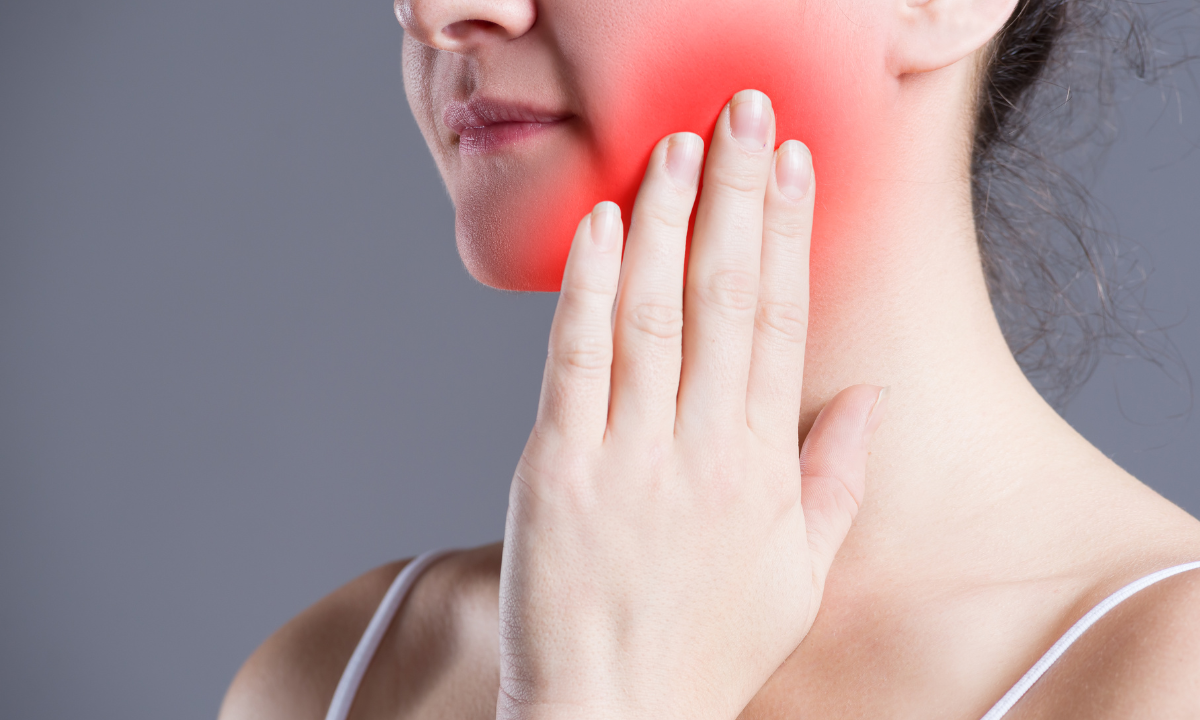
The decision to extract wisdom teeth is typically based on your dentist's or oral surgeon's evaluation. Here are some signs and indicators that may suggest a need for wisdom tooth removal:
Pain or discomfort:
Persistent pain or discomfort in the back of the mouth, especially around the jaw, may be a sign that your wisdom teeth are causing issues.
Swelling and redness:
Swelling, redness, or inflammation of the gums in the back of the mouth may indicate problems with wisdom teeth, such as impaction or infection
Difficulty opening the mouth:
If you experience difficulty or pain when opening your mouth, it could be a sign of issues with your wisdom teeth.
Bad breath or unpleasant taste:
Infections around wisdom teeth can lead to bad breath or an unpleasant taste in the mouth.
Cysts or tumours:
In some cases, cysts or tumours may develop around impacted wisdom teeth. These can be detected through dental imaging and may be a reason for extraction.
X-ray findings:
Regular dental X-rays can reveal the position, development, and potential issues with wisdom teeth. If X-rays show that your wisdom teeth are decayed, impacted, misaligned, or causing other problems, extraction may be recommended.
Recurrent infections:
If you experience recurrent infections around a wisdom tooth, such as pericoronitis (inflammation around a partially erupted tooth), your dentist may recommend extraction.
Preventive extraction:
Some individuals undergo preventive extraction of wisdom teeth, especially if there is a high likelihood of future issues based on the examination and X-rays. This is often done during the late teenage years or early twenties.
Our dental specialist in Singapore
Loading...
Does removing wisdom teeth require surgery?
The need for wisdom teeth to be removed depends on how they are growing, their stage of development, and whether they are causing any issues. For some people, the tooth can be removed easily. For others, a minor surgical procedure is needed.
Your dentist will advise on the most suitable approach for you. There are two main types of procedure:
Simple extraction
If a wisdom tooth has fully erupted and is positioned in such a way that it can be easily removed, your dentist may perform a simple extraction. Your dentist will gently loosen the tooth and remove it. Local anaesthetic is usually sufficient to keep you comfortable.
Surgical extraction
A surgical extraction may be necessary if the wisdom tooth is impacted, has only partially erupted, or is difficult to access. During the procedure, a small incision is made in the gum to expose the tooth. Sometimes some of the surrounding bone is also removed to allow the tooth to be extracted safely.
This procedure is usually performed under general anaesthesia or intravenous (IV) sedation to minimise pain. You may need a surgical extraction if:
The wisdom tooth has not fully erupted
The tooth is tilted or growing at an angle
It's close to important structures like nerves or the sinus
The tooth is still early in development
Even with a simple extraction, some swelling or soreness is normal afterward. Following your dentist’s aftercare instructions and taking any prescribed medications will help you during the healing process.
Recovery after wisdom tooth surgery
Recovery times vary from person to person. Some people recover quickly, while others need more time. Here is what you can generally expect after surgery:
Immediately after surgery
Right after the procedure, your mouth will still be adjusting to the extracted teeth. To help during this period:
- Gauze:
- Your dentist will place gauze over the sites to control bleeding. Bite down gently but firmly and change it as instructed.
- Rest:
- Go home and rest for the rest of the day. Avoid any strenuous activity.
- To help reduce swelling, keep your head slightly elevated when resting.
- Pain relief:
- Some discomfort is normal once the anaesthetic wears off. Take the prescribed or recommended pain medication as directed.
- Ice packs:
- Apply ice packs to your cheeks during the first 24 hours to help reduce swelling and ease discomfort.
Diet and hydration
Your mouth will be sensitive at first, so choosing the right foods and drinks can make a difference.
- Soft foods:
- Stick to soft foods such as yoghurt, porridge, mashed potatoes and soups for the first few days.
- Hydration:
- Drink plenty of water, but avoid straws as the suction can disturb healing.
Oral hygiene
It is important to keep the area where the tooth has been extracted clean, but you need to be gentle while the tissues are still healing.
- Gentle rinsing:
- You may be advised to rinse gently with a saltwater solution. Some dentists may also provide an antibacterial mouthwash.
- Avoid disturbing the area:
- Avoid vigorous brushing or flossing around the surgical sites for the first few days.
Follow-up and medication
A smooth recovery often comes down to good aftercare and sticking to what your dentist has prescribed.
- Appointments:
- Attend any scheduled follow-up visits so your dentist can check your healing.
- Medication:
- Take all medications as prescribed. Complete the full course of antibiotics if given.
Following your dentist’s aftercare instructions and attending your follow-up appointments are important for a smooth recovery. If you experience severe pain, heavy bleeding, or symptoms of infection, schedule a consultation with Thomson Medical.
What are the risks of wisdom teeth surgery?

Although wisdom tooth surgery is common and generally safe, it does carry risks, as does any surgical procedure. Being aware of these risks and discussing them with your dentist or oral surgeon can help you to feel more prepared.
Here are some potential risks that can happen:
- Infection
- Pain and discomfort after surgery
- Bleeding right after tooth extraction
- Swelling and bruising around the cheeks and jaw
- Jaw stiffness when opening your mouth
- Nausea or dizziness due to anaesthesia
- Allergic reactions to medications used during or after the procedure
- Sinus discomfort following the extraction of upper wisdom teeth
- Dry socket due to blood clot in the extraction area becomes dislodged too early, leaving the bone and nerves exposed.
- Nerve damage, leading to temporary, and very rarely permanent, numbness or tingling in the lips, tongue or cheeks.
FAQ
Why do wisdom teeth need to be removed?
Wisdom teeth are often removed to prevent potential issues such as impaction, crowding, infection, cyst formation, and damage to neighboring teeth. Not everyone requires wisdom teeth removal, but it is common for those experiencing problems with their wisdom teeth.
When should wisdom teeth be removed?
The timing for wisdom teeth removal varies, but it is often recommended during the late teenage years or early twenties. Early removal can prevent potential complications and promote optimal healing.
Do all wisdom teeth need to be removed?
Not everyone needs their wisdom teeth removed. Some people have sufficient space and proper alignment for their wisdom teeth to erupt without causing issues. The decision to remove wisdom teeth is based on factors such as their position, development, and potential impact on oral health.
Is wisdom teeth surgery painful?
Wisdom teeth surgery is typically performed under local anesthesia, and patients should not feel pain during the procedure. Occasionally the procedure may be done under sedation or even general anesthesia for your comfort. After the surgery, some discomfort and swelling are common, but pain management medications are prescribed to alleviate these symptoms.
How long does wisdom tooth extraction take to heal?
The initial recovery period is usually a few days to a week, but full healing may take several weeks. Patients are advised to rest, follow post-operative care instructions, and attend any scheduled follow-up appointments.
Can I go back to work or school the next day?
The ability to return to work or school depends on individual factors, such as the complexity of the surgery and the nature of one's activities. Many people take a day or two off to rest and recover.
The information provided is intended for general guidance only and should not be considered medical advice. For personalised recommendations and tailored advice based on your unique dental conditions, schedule a consultation with Thomson Dental Centre.
Dr Charlotte Goh
Dentistry
Thomson Dental Centre (Novena Specialist Center)
English
AIA Dental PPO, Alliance MediNet, IHP, Inova Care and 2 others
