

Seeing a small amount of blood after a Pap smear can feel worrying, especially if you weren't expecting it. It is natural to wonder if something is wrong.
In most cases, light bleeding after a Pap smear is normal and settles on its own. Understanding why it happens, how long it may last, and when to seek medical advice can help you feel more at ease.
Why does bleeding happen after a Pap smear?
The cervix is a sensitive area with many small blood vessels. During a Pap smear, a soft brush or spatula is used to collect cells from its surface. This gentle contact can sometimes cause mild irritation, leading to light spotting.
This bleeding usually comes from surface irritation rather than any injury.
There are a few common reasons this can happen:
Mild scraping of cervical cells during the test
Increased cervical sensitivity around ovulation or before a period
Cervical inflammation or infection
Cervical polyps
Pregnancy-related cervical changes
Vaginal dryness or thinning tissues (especially after menopause)
None of these mean that something is seriously wrong. Even after the same procedure, not everyone will experience spotting.
How much bleeding is normal after a Pap smear?
Bleeding after a Pap smear can vary from person to person. Some women notice a few drops, while others may not see any bleeding at all.
What's considered normal:
Light spotting
Pink or brown discharge
A few drops of blood on toilet paper or underwear
What's not normal:
Bright red bleeding that soaks a pad
Blood clots
Bleeding that resembles a menstrual period
Light spotting usually settles within a few hours to one or two days. In some cases, it may last up to three days if your cervix is more sensitive.
If the bleeding feels heavier than expected or continues beyond this, it is best to speak with your doctor.
If you're unsure whether what you're experiencing is normal, schedule an appointment with Thomson Medical. Our specialists will review your symptoms and advise on the right next steps.
Gynaecologists at Thomson Medical
Loading...
What should you do if you are bleeding after a Pap smear?
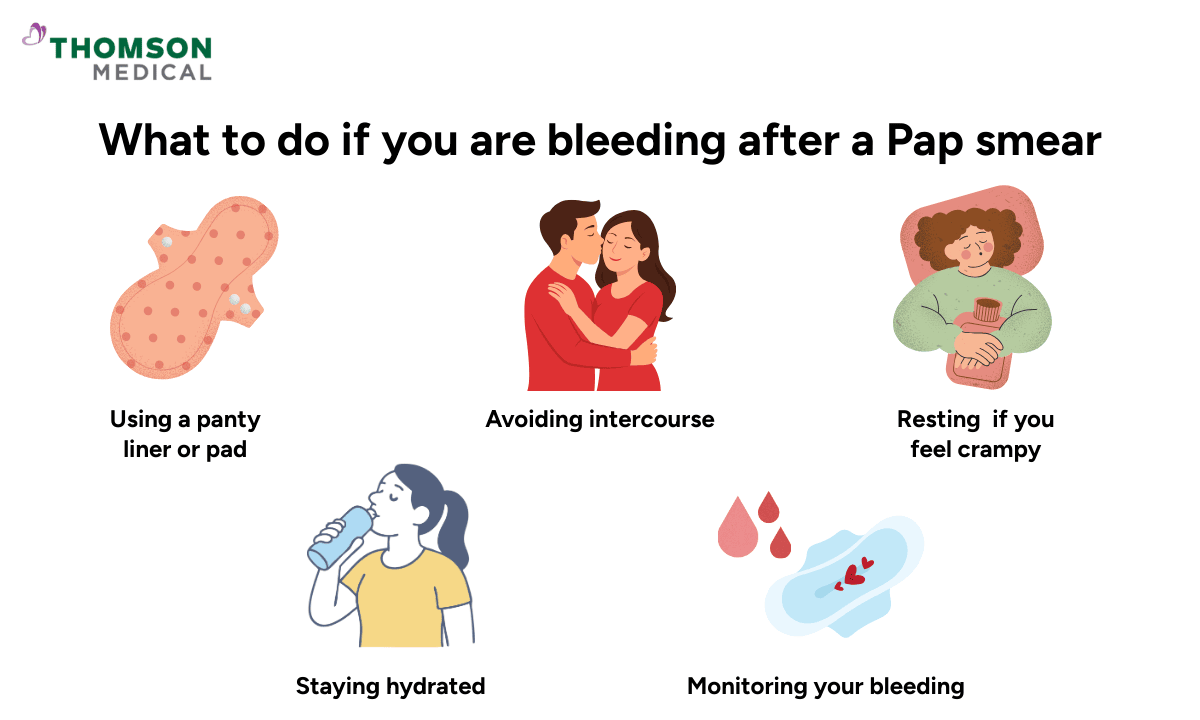
If you notice light bleeding after your Pap smear, there are some simple steps you can take to stay comfortable.
You can support your body by:
Using a panty liner or pad, not a tampon
Avoiding intercourse until bleeding stops
Resting if you feel crampy
Staying hydrated
Monitoring the amount and colour of bleeding
In most cases, no treatment is needed. The spotting should settle on its own within a short time. With a little rest and care, you'll be back to your normal routine before you realise it.
When is bleeding after a Pap smear a concern?
Post-Pap spotting is usually temporary and harmless. Still, there are a few signs that need more attention. Being aware of them can help you decide when it may be worth checking in with your doctor.
Reach out to your doctor if you notice:
Heavy bleeding (soaking through a pad in an hour)
Bleeding lasting longer than 3 days
Severe pelvic pain or cramping
Fever or chills
Foul-smelling discharge
Bleeding during pregnancy that does not stop
These symptoms can sometimes point to an infection, a cervical abnormality, or another gynaecological issue that's unrelated to the Pap smear. That said, they are often treatable when caught early. If something feels unusual or worrying, it is always reasonable to seek medical advice.
If something doesn't feel right, schedule an appointment with Thomson Medical. Our specialists will help you figure out what’s happening and make sure you get the right care.
Preventing bleeding during your next Pap smear
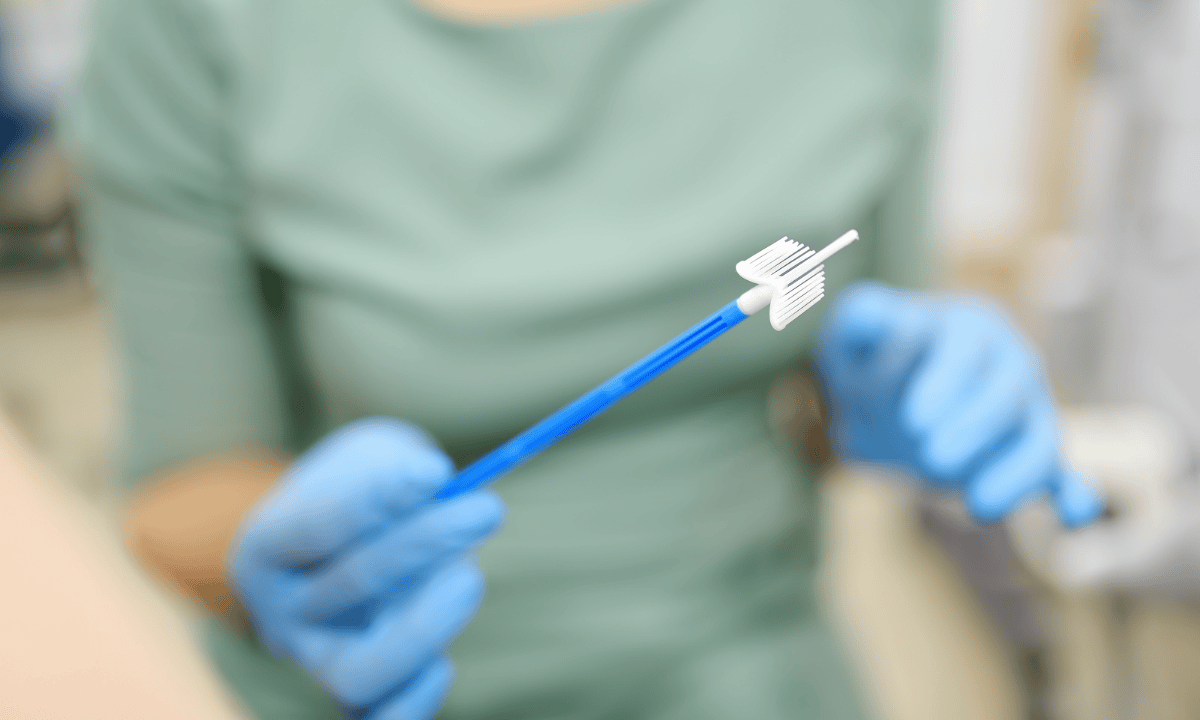
While spotting is not always avoidable, a few steps may help reduce the chances.
Here’s what you can try:
Schedule your Pap smear outside your menstrual period
Avoid intercourse, douching, or vaginal products for 24-48 hours beforehand
Inform your doctor if you are pregnant or postmenopausal
Mention any history of bleeding after exams
Ask for a gentle technique if you have cervical sensitivity
If you are unsure or have any concerns, bring them up with your doctor. They are there to support you, and an open conversation can make a real difference to how you feel during and after the test.
FAQ
Is it normal to bleed after a Pap smear?
Yes. Light spotting or mild bleeding is common and usually harmless.
Can I use tampons if I am bleeding after a Pap smear?
It is best to avoid tampons and use pads or panty liners until bleeding stops to reduce the risk of infection.
Can a Pap smear cause a miscarriage if I am pregnant?
No. A Pap smear is safe during pregnancy and does not cause miscarriage. Some light spotting can happen due to increased cervical sensitivity, but the procedure itself poses no risk to the baby.
Can I have sex if I am bleeding after a Pap smear?
It is best to wait until bleeding stops. Your cervix and vaginal tissues need a little time to recover, usually just a day or two.
Will I bleed every time I get a pap smear?
Not necessarily. Some women experience spotting occasionally, while others never do. Sensitivity can change depending on where you are in your cycle, your hormonal state, or changes in cervical tissue over time.
How do I stop bleeding after a Pap smear?
Bleeding usually stops on its own. Rest, avoid intercourse, and use pads. If the bleeding is heavy or does not ease after 3 days, contact your doctor.
The information provided is intended for general guidance only and should not be considered medical advice. For personalised recommendations and tailored advice based on your unique situations, request an appointment with Thomson Medical today.
For more information, contact us:
Thomson Specialists (Women's Health)
Thomson Women's Clinic (TWC)
- Novena:
6592 6686 (Call), 8611 8986 (WA) - Bukit Batok:
6569 0668 (Call), 8686 3525 (WA) - Choa Chu Kang:
6893 1227 (Call), 8282 1796 (WA) - Jurong:
6262 8588 (Call), 6262 8588 (WA) - Katong (female doctor):
6970 2272 (Call), 8611 9020 (WA) - Punggol:
6243 6843 (Call), 8811 0328 (WA) - Sembawang: 6753 5228
- Sengkang: 6388 8125
- Serangoon (female doctor): 6382 3313
- Tampines: 6857 6266
- Tiong Bahru: 6276 1525
Notice
The range of services may vary between TWC/TS locations. Please contact your preferred branch directly to enquire about the current availability.
Request an Appointment