

“Can cervical cancer be eliminated in Singapore?”
This is a common concern that many women share. The good news is that cervical cancer is one of the most preventable cancers, and Singapore is actively working to eliminate it through comprehensive vaccination and screening programmes. Understanding these efforts can help you feel empowered and informed about protecting your own cervical health.
What is cervical cancer?
Cervical cancer is a type of cancer that starts in your cervix, which is the lower part of your uterus (womb) that links to your vagina.
The main cause is a persistent infection with certain types of human papillomavirus (HPV) – a very common virus that spreads through sexual contact.
Most HPV infections go away on their own because your immune system gets rid of them. However, in some cases, high-risk types can persist and cause cervical cell changes in your cervix. Over time, if left untreated, these changes can lead to precancerous conditions and then cervical cancer.
In Singapore, around 309 women are diagnosed with cervical cancer each year (a rate of about four each week). Although it ranks as the 10th most common cancer among women here, it has a higher impact on women under 45 and ranks as the 5th most common in women between the ages of 15 and 44 – a reminder of why prevention and early detection are so important.
Can cervical cancer be eliminated in Singapore?
While eliminating cervical cancer entirely may not be possible, with the proper steps we can still reduce it to low levels so that it’s no longer a major public health problem.
Specifically, the global goal set by the World Health Organization (WHO) is to have fewer than 4 new cases per 100,000 women each year in every country.
With one of the lowest incidence rates in the region (6.87 cases per 100,000 women), Singapore is moving closer to this goal every year. While we’re not there yet, continued improvements in vaccination and screening can help us reach it sooner.
Cervical cancer prevention strategies in Singapore
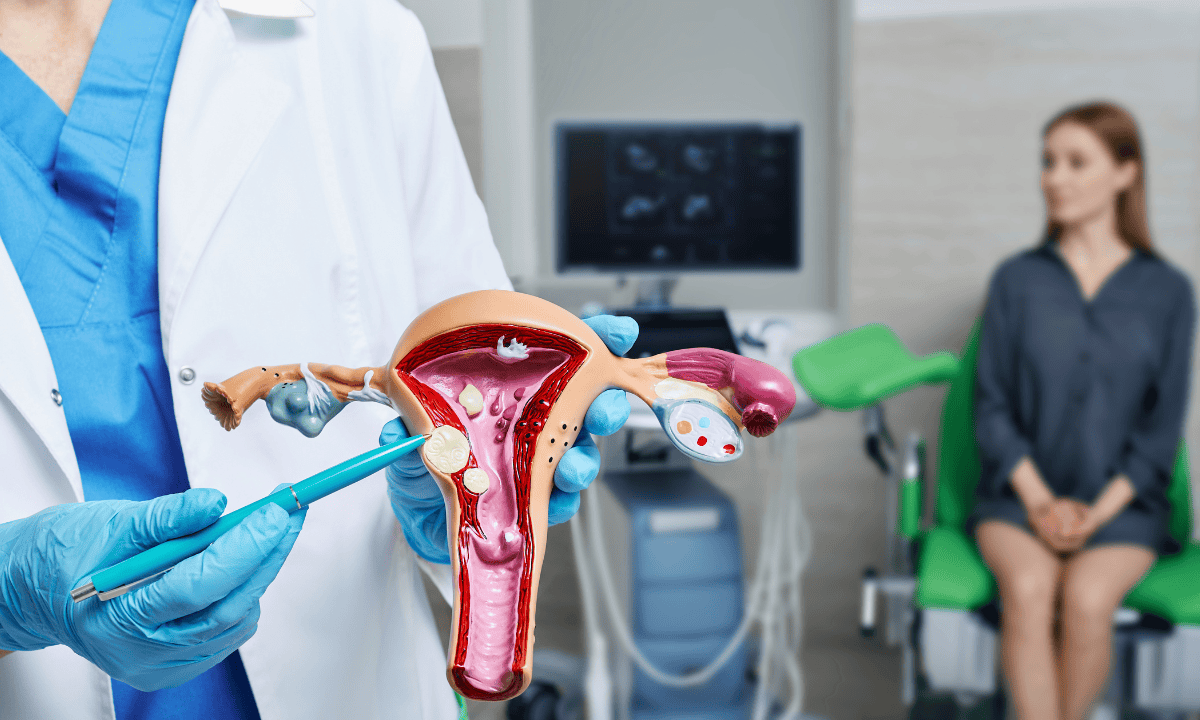
The good news is that now you have access to proven prevention tools right here in Singapore. The country has launched programmes to move closer to the elimination goal, making sure no one is left out. These include:
HPV vaccination programmes:
Since May 2019, Singapore has offered fully subsidised HPV vaccination to all female Secondary 1 students (usually aged 12-13) through schools.
Cervical screening programmes:
Singapore’s national screening programme, called CervicalScreen Singapore, aims to catch problems early and ensure that no one is left behind.
If you are between 25 and 29 years old, your doctor will recommend a Pap smear test every three years.
You will be advised to have HPV testing every five years if you are between 30 and 69 years old.
Both vaccination and screening are available at clinics across Singapore. Your doctor can help you understand which programmes you're eligible for and guide you through the process at each step.
If you'd like personalised guidance on cervical cancer screenings or have questions about your risks, schedule an appointment with Thomson Medical. Our specialists can help you understand which screening approach is right for you, address any concerns you may have about the procedure, and create a screening plan that fits your lifestyle.
Our women's cancer specialist
Loading...
Challenges to cervical cancer elimination in Singapore
While Singapore has made impressive progress, there are still obstacles preventing us from reaching the goal.
HPV vaccination barriers
Even though most students can get the HPV vaccine at school, some families still face challenges:
Awareness and perception gaps:
Many parents haven’t had a chance to learn how HPV can cause cancer.
The concern about vaccine safety makes some hesitate to say yes.
Access and equity concerns:
While the school programme is free, families outside this programme may worry about the cost.
Sometimes, vaccine supply and distribution create disruptions.
Singapore is working hard to address these issues. Public health teams are reaching out to share clear and friendly information with parents about how the vaccine protects against serious diseases and why it is safe.
At the same time, administrative processes are also improved, so vaccines are there when families need them.
Cervical screening barriers
This is the biggest challenge in Singapore. Even with an excellent screening programme, screening rates remain low - only about 48-50% of women are up to date with their screenings.
So why are so many women skipping this important test? There are actually some reasons behind it:
Discomfort and fear:
Many women find the examination a bit uncomfortable or even intimidating. That's why they hesitate to make appointments, even though they know screening is important.
Lack of awareness:
Some women might think, "I feel fine, so I don't need it," or assume cervical cancer only happens to other people.
Practical barriers:
Finding time in a busy schedule or feeling embarrassed about discussing intimate health issues can also be barriers.
Some women have concerns about whether the test results will be reliable.
It’s completely understandable if you have put off screening for any of these reasons. You’re not alone in feeling hesitant, and understanding what’s holding you back is the first step to overcoming it.
If you have any concerns, don’t be afraid to share them with your doctor. They will work with you to find solutions and make screening more comfortable for you.
How to protect yourself from cervical cancer

Although cervical cancer treatments are available, preventing it is always the best approach. Here are several cancer prevention steps you can take to protect yourself and contribute to eliminating cervical cancer in Singapore.
You can start with:
Get vaccinated:
The HPV vaccine is recommended for ages 9 to 26. If you're unsure whether you're eligible, it's better to talk to your doctor.
The vaccine helps prevent infection with the types of HPV that cause more than 90% of cervical cancer, providing safe, effective, and long-lasting protection for you.
You can discuss with your doctor beforehand about which vaccine type is right for you.
Attend regular screening:
Although the vaccine is beneficial, it doesn’t protect you against all HPV types. That’s why regular testing is still essential.
Screening is recommended starting at age 21 or 25, and the frequency will depend on your age and risk factors.
If you’re unsure whether you’re eligible, your doctor can help guide you.
Practice safe sex:
Using condoms can help lower your risk of HPV and other sexually transmitted infections (STIs), though it doesn't offer complete protection because HPV can infect areas not covered by a condom.
Having fewer sexual partners can also reduce exposure risk to HPV.
Maintain a healthy lifestyle:
If you smoke and have HPV, your risk of developing cervical cancer can increase. Even though it’s not easy, quitting smoking can help your body’s immune system better clear HPV infection. If you are ready, your doctor will provide resources and support you along the way.
Eating a healthy diet and regularly exercising strengthen your immune system, helping your body clear HPV infections more effectively.
The importance of early detection and treatment
Even with the best prevention efforts, screening remains important. Cervical cancer grows slowly, usually over many years, and screening can help catch unusual changes when they’re easiest to treat.
It's normal to feel worried if you receive abnormal results, but detecting abnormal cells early is actually good news. It means they can be treated before becoming cancer.
Your doctor will guide you through the next steps, which might include further testing to get a closer examination of your cervix or treatment. In Singapore, there are many treatment options available and they're easy to access.
If you want to take proactive steps to protect your cervical health or have questions about cervical cancer screening guidelines, schedule an appointment with Thomson Medical. Our women's health specialists are here to guide you through your screening options and create a personalised care plan for your needs.
FAQ
How common is cervical cancer in Singapore?
Cervical cancer is the 10th most common cancer among women in Singapore, with around 309 new cases diagnosed annually. It is the 5th most common cancer among women aged 15–44 in Singapore.
The good news is that cervical cancer is highly preventable through vaccination and regular screenings.
Can cervical cancer be prevented?
Yes, cervical cancer is highly preventable. In fact, it’s one of the most preventable cancers.
Effective prevention includes:
HPV vaccination
Routine screening (such as Pap tests and HPV tests)
Heathy lifestyle choices
By combining vaccination with regular screening, you can have strong protection against cervical cancer.
How effective is the HPV vaccine against cancer?
The HPV vaccine is effective and has the potential to prevent more than 90% of cancers caused by HPV when given before exposure to the virus.
It provides protection against the specific HPV types most commonly linked to various cancers, including HPV types 16, 18, 31, 33, 45, 52 and 58.
Can cervical cancer be completely removed?
Yes, cervical cancer can often be completely removed, especially when detected early. The success of treatment depends largely on the stage at which the cancer is found.
Early-stage cervical cancer:
In the precancerous stage or very early stages, abnormal cells can usually be removed completely through procedures like LEEP, cone biopsy, and cryotherapy.
These procedures are highly effective and often preserve your ability to have children in the future.
More advanced stages:
If cancer has spread beyond the cervix, treatment may involve surgery, radiation therapy, and chemotherapy.
Even though the approach becomes more complex at later stages, cervical cancer is still treated.
Your doctor will work closely with you to create a treatment plan based on your specific situation and preferences.
What efforts are being made to eliminate cervical cancer in Singapore?
Singapore is working to eliminate cervical cancer through a comprehensive national strategy that includes:
Widespread Human Papillomavirus (HPV) vaccination
A structured national screening program (CervicalScreen Singapore)
HPV self-sampling to improve screening uptake.
What is the screening for cervical cancer in Singapore?
Cervical cancer screening in Singapore involves two types of tests:
Pap test (Pap smear):
It collects cells from your cervix to check for abnormalities under a microscope.
HPV test:
The test helps detect high-risk HPV strains that cause most cervical cancers.
Both tests are quick procedures done during a routine examination and are available at clinics across Singapore. Your doctor will help you understand which test is right for you based on your age and health history.
The information provided is intended for general guidance only and should not be considered medical advice. For personalised recommendations and tailored advice based on your unique situation, please consult a specialist at Thomson Medical. Schedule an appointment with Thomson Medical today.
For more information, contact us:
Thomson Specialists (Women's Health)
Thomson Women's Clinic (TWC)
- Novena:
6592 6686 (Call), 8611 8986 (WA) - Bukit Batok:
6569 0668 (Call), 8686 3525 (WA) - Choa Chu Kang:
6893 1227 (Call), 8282 1796 (WA) Jurong:
6262 8588 (Call), 6262 8588 (WA)- Katong (female doctor):
6970 2272 (Call), 8611 9020 (WA) - Punggol:
6243 6843 (Call), 8811 0328 (WA) - Sembawang: 6753 5228
- Sengkang: 6388 8125
- Serangoon (female doctor): 6382 3313
- Tampines: 6857 6266
- Tiong Bahru: 6276 1525