

Needing the toilet more often, along with pressure in the lower abdomen, usually points to the bladder, and often that’s exactly what it is. Less commonly, the cause sits next door. The bladder lies directly in front of the uterus, so a fibroid large enough to take up space in the pelvis can press on it, reducing how much it holds and creating a frequent urge to go.
The symptoms look much the same either way, which is why this one often takes a while to work out. Here’s how fibroids cause urinary symptoms, what tends to distinguish them from a bladder problem, and which other signs usually appear alongside.
What are uterine fibroids?
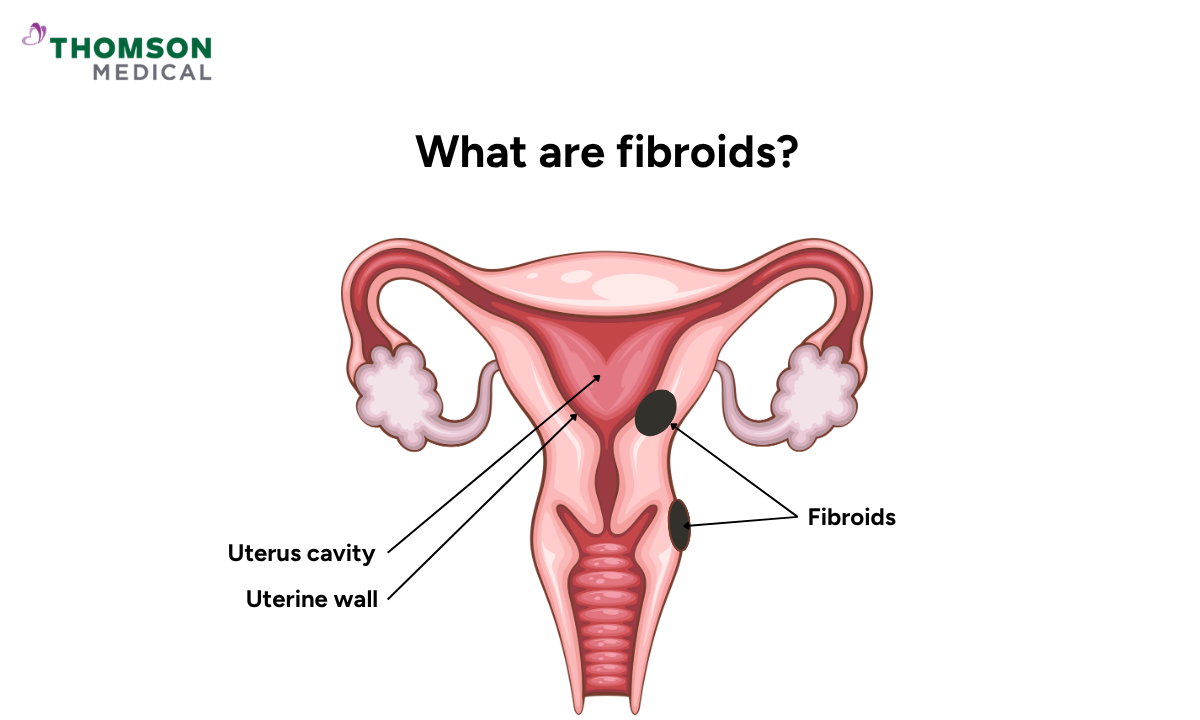
Uterine fibroids are growths made of muscle and fibrous tissue that develop in or around your uterus. They are very common, especially in women aged 30 to 50. Fibroids are usually non-cancerous growths, and even when they cause symptoms, they very rarely become cancerous.
However, you might have fibroids without knowing it, only discovering them during a routine scan. This is because sometimes fibroids have no symptoms at all, while some women find that these growths negatively affect daily life or even fertility.
If you have fibroids, you might notice:
Heavy menstrual bleeding or painful periods
Pelvic pain or pressure
Needing to urinate more often
Constipation and bloating
Lower back or leg pain
Pain during sexual intercourse
How fibroids may affect the bladder
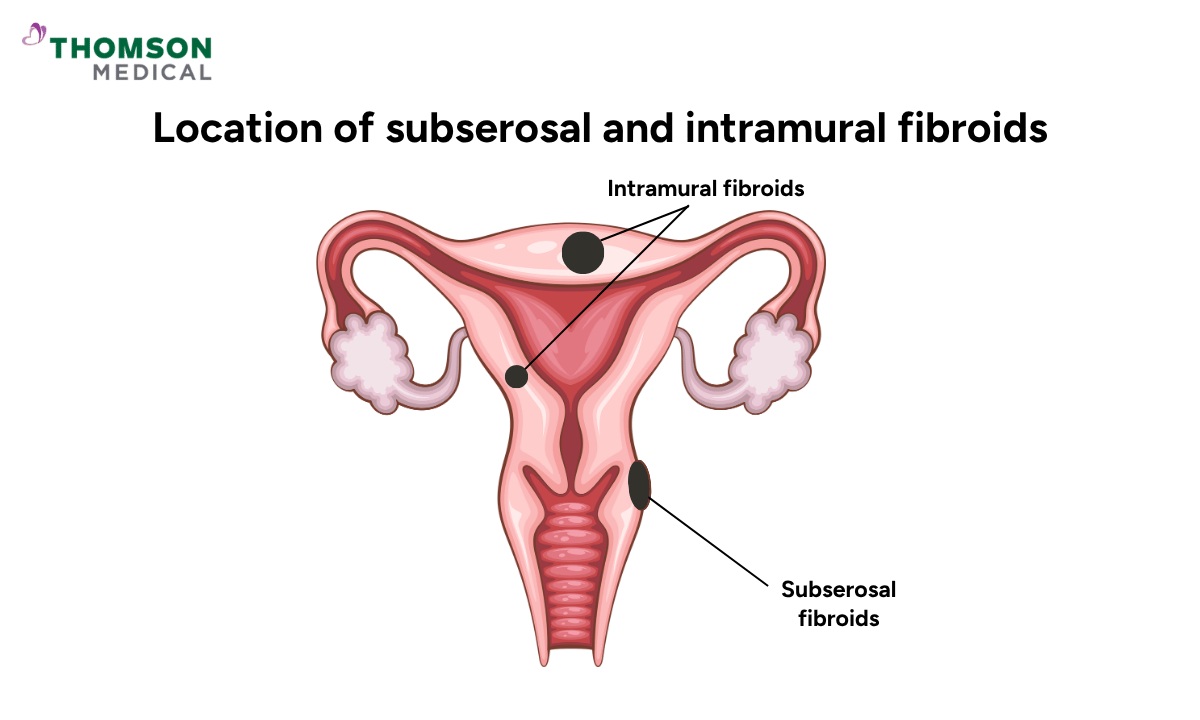
The bladder and uterus sit very close together in the pelvic area. When fibroids grow large or develop near the front wall of the uterus, they could press directly against the bladder.
This pressure may be able to:
Reduce the bladder's capacity to hold urine
Interfere with how the bladder fills and empties
Contributing to urinary frequency, urgency, or difficulty emptying
The fibroids most likely to cause bladder issues are subserosal fibroids (which grow on the outer surface of the uterus) and intramural fibroids (which grow within the uterine wall and expand toward the bladder).
The larger the fibroid, or the closer it sits to the bladder, the more likely it is to affect your bladder function.
What bladder symptoms might you notice?
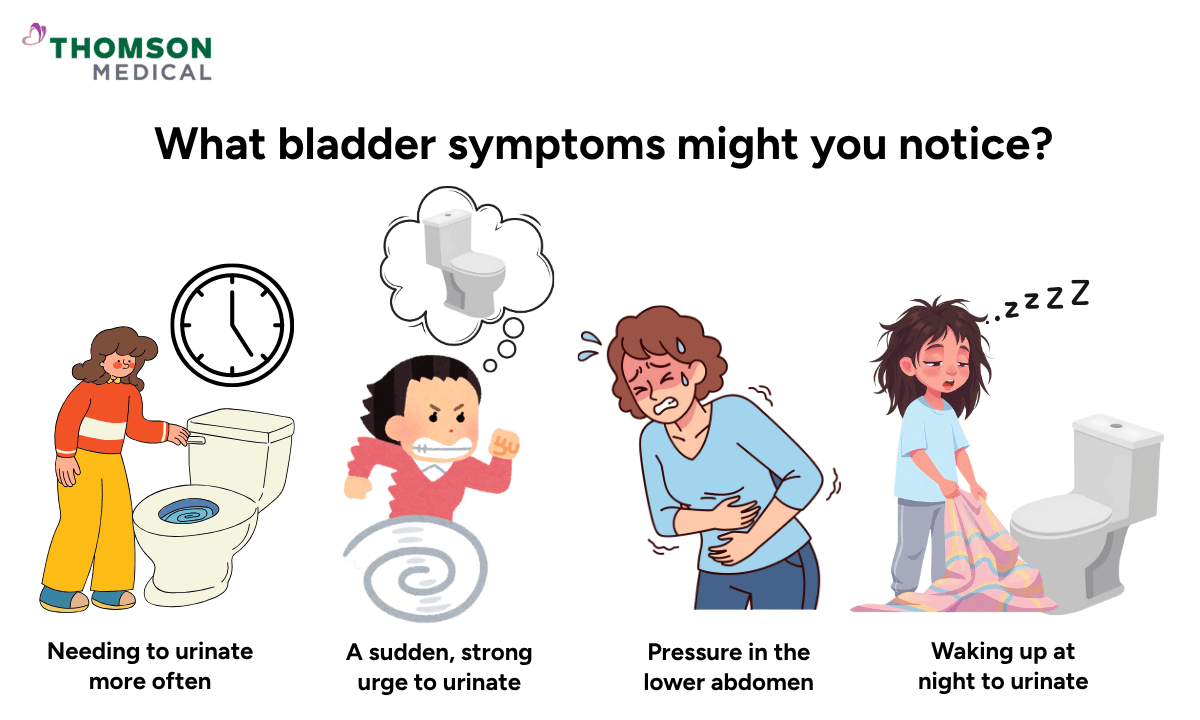
Bladder problems caused by fibroids may feel frustrating, especially if the cause is not immediately obvious. If fibroids are pressing on your bladder, you might notice one or more of the following.
Needing to urinate more often
You may find yourself going to the toilet more frequently than usual, sometimes even shortly after you have just been. This happens because the fibroid reduces the space your bladder has to expand, so it reaches capacity much sooner than it normally would.
A sudden, strong urge to urinate
Some women feel an urgent need to urinate that may be difficult to control. You might also notice that even after going, your bladder does not feel completely empty. This could lead to repeated trips to the bathroom and a sense of ongoing discomfort throughout the day.
Pressure or discomfort in the lower abdomen
A feeling of heaviness, fullness, or constant pressure in the lower abdomen is common when fibroids are pressing on the bladder. This may come with mild pelvic pain, especially if the fibroid is large or positioned close to the bladder.
Waking up at night to urinate
Also known as nocturia (waking up one or more times during the night to use the toilet), fibroids could reduce bladder capacity even when you are lying down; your sleep may be significantly disrupted over time. Over time, disrupted sleep could affect your energy, mood, and general wellbeing.
If any of these symptoms sound familiar, it is worth exploring whether fibroids could be the cause, especially if other common explanations like a urinary tract infection (UTI) have already been ruled out.
Request an appointment with Thomson Medical to speak with a doctor who could evaluate your condition and discuss your options.
Our O&G specialists
Loading...
Could your bladder symptoms be related to fibroids?
Bladder symptoms may have many causes, including UTIs, an overactive bladder, or other pelvic conditions.
However, fibroids may be worth considering if:
Your symptoms are persistent or getting worse over time
You also have heavy periods, pelvic pain, or bloating
No infection has been found on urine tests
Your symptoms have not improved with standard bladder treatments
When bladder issues appear alongside other signs like heavy menstrual bleeding or pelvic discomfort, it often points toward a gynaecological cause rather than a bladder condition on its own.
Writing down all your symptoms, including those that seem unrelated, gives your doctor a clearer picture when assessing whether fibroids may be the cause.
How are fibroids diagnosed?
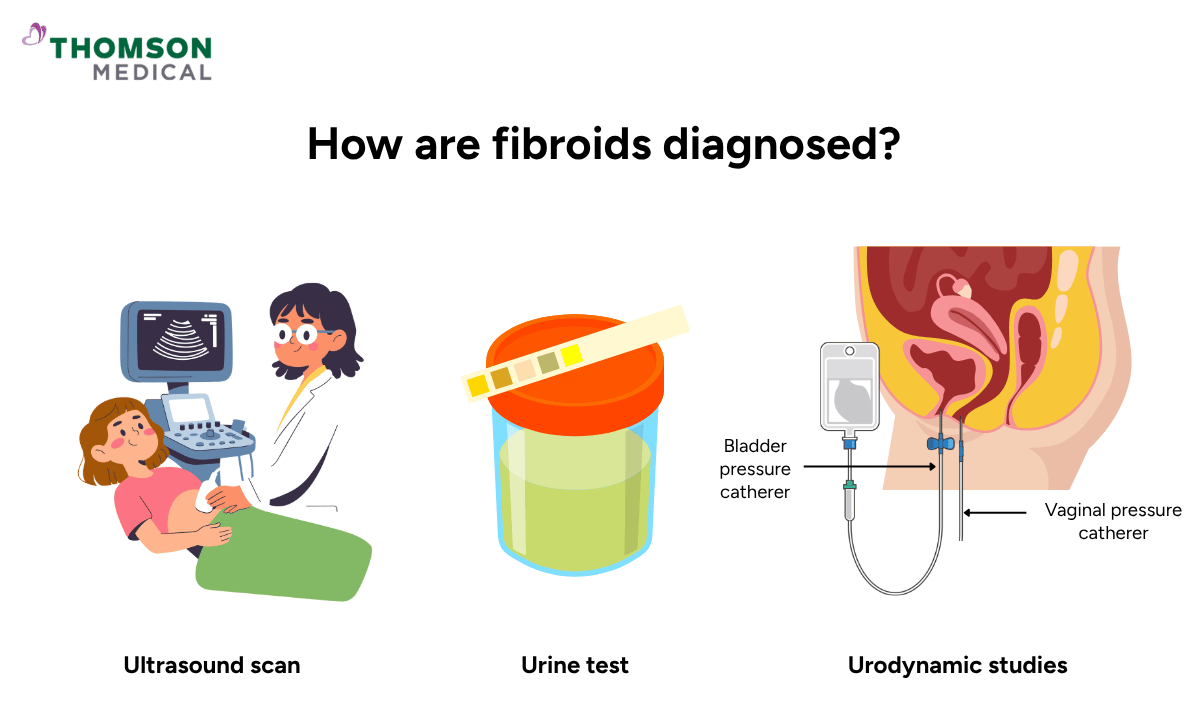
If your doctor suspects fibroids, they will usually begin with a pelvic exam to check for any changes in the size or shape of your womb. From there, they may recommend further tests to better understand what is causing your symptoms.
These might include:
An ultrasound scan: which identifies fibroids and shows their location.
An MRI scan: which provides a more detailed picture of the fibroids and surrounding structures.
A urine test: to rule out infection or other bladder conditions.
Urodynamic studies: which in some cases assess how well your bladder is functioning.
What are your treatment options?
Treatment options vary and may include monitoring, medication, or procedures depending on your symptoms and overall goals.
Monitoring and symptom management
If your symptoms are mild, your doctor may suggest a monitoring and waiting approach. Some adjustments that may help include:
Going to the toilet at set intervals rather than waiting until the urge becomes strong (sometimes called timed voiding)
Limiting fluids before bedtime to reduce night-time trips to the bathroom
Pelvic floor exercises to support better bladder control
This approach may be suitable if your symptoms are manageable and your fibroids are not growing quickly.
Medication
Medications can help manage symptoms or reduce fibroid size, though they are not a permanent solution.
Your doctor might discuss options such as:
Hormonal therapy such as GnRH agonists: that temporarily reduces oestrogen and shrinks fibroids by lowering oestrogen levels. However, they are usually used as a short-term treatment, such as before surgery, because symptoms and fibroid size may return after treatment stops
Oral contraceptives: such as a levonorgestrel-releasing intrauterine system, may help control heavy bleeding in some women, though they do not usually shrink fibroids or relieve pressure symptoms directly
Pain relief: to manage day-to-day discomfort
Minimally invasive procedures
For more serious symptoms, there are procedures that can treat fibroids without major surgery.
Two options that are commonly offered include:
Uterine artery embolisation (UAE):
A procedure that blocks the blood supply to fibroids, causing them to shrink over time and relieve pressure on the bladder.
MRI-guided focused ultrasound:
Uses targeted sound waves to destroy fibroid tissue and may be an option depending on the size and location of your fibroids.
While both options preserve the uterus, procedures such as UAE may not be recommended if you plan to have children in the future.
Surgical treatment
Surgery may be recommended if fibroids are large, causing significant symptoms, or have not responded to other treatments.
The two main surgical options are:
Myomectomy:
Removes the fibroids while keeping your uterus intact. Myomectomy is worth considering if you would like to preserve your fertility.
Hysterectomy:
Removes the uterus entirely, which means fibroids cannot return. Hysterectomy is more commonly considered when fertility is no longer a priority or when fibroids are very extensive.
Your doctor will explain which option suits your situation, and do not hesitate to ask questions before making any decisions.
When should you see a doctor?
Some urinary concerns are worth getting checked, especially if they are getting worse or affecting your sleep and daily routine.
Speak to your doctor if you notice any of the following:
Urinary frequency or urgency that is disrupting your daily routine
Difficulty emptying your bladder fully
Waking up multiple times a night to urinate
Bladder discomfort alongside heavy periods or pelvic pain
Any difficulty passing urine at all
Burning pain when urinating
Early evaluation can help your doctor understand what may be contributing to your symptoms and whether further assessment is needed.
If your bladder symptoms are disrupting sleep, work, or daily activities, request an appointment with Thomson Medical to speak with a doctor who can evaluate your symptoms and discuss possible next steps.
FAQ
Can small fibroids affect the bladder?
Small fibroids usually do not cause bladder problems because they are not large enough to exert significant pressure. Bladder symptoms are more commonly linked to larger fibroids or those located on the front wall of the uterus, where they can press directly on the bladder.
However, in some cases, multiple small fibroids may still contribute to mild urinary discomfort.
Do bladder symptoms go away after fibroid treatment?
Yes, bladder symptoms often improve or resolve after effective fibroid treatment. Treatments such as medication, myomectomy, uterine artery embolisation, or other procedures can reduce pressure on the bladder. The improvement depends on the size, number, and location of the fibroids, as well as how long the bladder has been affected.
How can bladder pressure from fibroids be relieved?
Bladder pressure can be managed through medical treatments, minimally invasive procedures, or surgery that reduces or removes fibroids.
Hormonal medications may temporarily shrink fibroids, while procedures like uterine artery embolisation or myomectomy offer more lasting relief. Lifestyle measures such as timed urination, pelvic floor exercises, and reducing fluid intake before bedtime may also help manage symptoms.
What organs are affected by uterine fibroids?
Uterine fibroids can affect nearby organs such as the bladder and bowel. Pressure on the bladder can cause urinary symptoms, while pressure on the rectum may lead to constipation or difficulty passing stool. In rare cases, very large fibroids may also affect surrounding nerves or blood vessels in the pelvis.
Can uterine fibroids cause UTI-like symptoms?
Yes, fibroids can sometimes mimic UTI symptoms such as frequent urination, urgency, or a feeling of incomplete bladder emptying. However, unlike UTIs, fibroid-related symptoms are usually not associated with burning urination, fever, or positive urine tests. A medical evaluation is needed to differentiate these two conditions.
Can fibroids return after treatment?
Yes, fibroids can return after treatment, particularly after procedures like myomectomy or medical management. The risks depend on factors such as age, hormone levels, number of fibroids, and individual circumstances.
A hysterectomy completely eliminates recurrence because the uterus is removed. Regular follow-up may be recommended for monitoring.
The information provided is intended for general guidance only and should not be considered medical advice. For personalised recommendations and tailored advice based on your unique conditions, request a consultation with Thomson Medical.
For more information, contact us:
Thomson Medical Concierge
- 8.30am - 5.30pm
- WhatsApp: 9147 2051
Need help finding the right specialist or booking for a group?
Our Medical Concierge is here to help you. Simply fill in our form, and we'll check and connect you with the right specialist promptly.
Notice:
The range of services may vary between Thomson clinic locations. Please contact your preferred branch directly to enquire about the current availability.
Get In Touch