

A Pap smear is a routine screening test that checks for abnormal cells on the cervix. It’s designed to pick up cervical changes early, before they become cancerous.
Can it detect endometrial cancer too? Here’s what a Pap smear may detect, what your test results mean, and when further tests may be needed.
What is a Pap smear?
A Papanicolaou (Pap) smear, also known as a Pap test, is a screening test used primarily to detect abnormal changes in the cells of the cervix that may indicate cervical cancer or precancerous changes. It is a routine preventive health test for women, even when there are no symptoms present.
During a Pap smear, your doctor gently inserts a speculum into the vagina to see the cervix. They then use a small brush to collect cells from around it, which are sent to a laboratory for examination. The results may identify abnormal cervical cells and, in some cases, other infections or non-cancerous changes.
What is endometrial cancer?
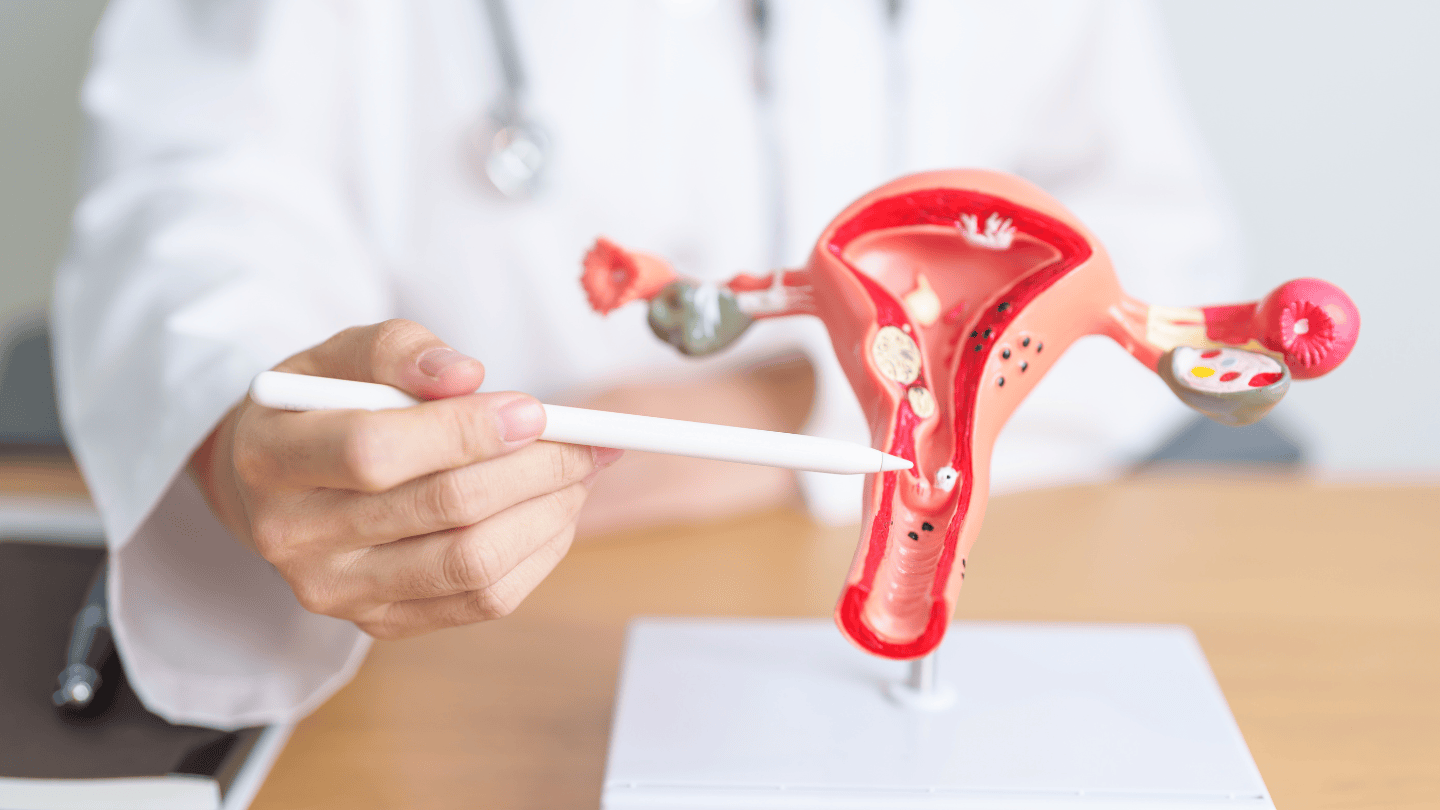
Endometrial cancer is a type of gynaecological cancer that develops in the endometrium, the inner lining of the womb. It is one of the most common gynaecological cancers and typically occurs after menopause, though it may also affect younger women.
Although this cancer is often referred to as uterus or uterine cancer, the two terms are not exactly the same. Uterus cancer is a broader term that describes cancers originating in the uterus, including endometrial cancer and the much rarer uterine sarcoma, which develops in the muscle or supporting tissues of the uterus.
Can a Pap smear detect endometrial cancer?
A Pap smear is primarily used to screen for cervical cancer and is not a reliable test for detecting endometrial cancer. However, cells from the lining of the uterus (endometrial cells) may sometimes be found in a Pap smear sample.
But the presence of endometrial cells in a Pap smear does not necessarily indicate endometrial cancer, particularly in younger women with no symptoms. These cells may usually be present in the sample, especially around the time of your period, when the lining of the uterus naturally sheds.
Your doctor will consider factors such as your age, menstrual status, symptoms, and Pap smear results when deciding whether further tests are needed. For people under 45 with no concerning symptoms, endometrial cells that appear non-cancerous generally do not require further investigation. For people aged 45 and over, particularly those with abnormal vaginal bleeding or who are postmenopausal, your doctor may recommend further assessment.
How is endometrial cancer further diagnosed?

If your doctor suspects endometrial cancer, they may recommend a combination of imaging tests, laboratory tests, and tissue sampling to confirm the diagnosis and determine the cancer type and grade. The tests you need may vary depending on your symptoms, initial findings, and individual circumstances.
Common diagnostic tests may include:
Ultrasound:
Often one of the first imaging tests used to assess the uterus and look for abnormalities in the endometrium.
CT scan:
MRI scan:
An MRI scan uses strong magnetic fields and radio waves to produce detailed images of the uterus and surrounding tissues. It could help assess how deeply the cancer has grown into the uterine muscle and whether nearby tissues are affected.
PET scan:
A PET scan uses a small amount of radioactive glucose to identify areas of increased activity that may indicate cancer cells. It may be used to look for cancer that has spread to other parts of the body.
Blood tests:
These may be used to assess your general health and check how well your liver and kidneys are functioning. Your doctor may also recommend a CA-125 blood test in certain situations, although this marker alone cannot confirm whether endometrial cancer has spread.
Biopsy:
If imaging identifies a suspicious area, your doctor may take a small tissue sample for examination to determine whether cancer cells are present.
If you are unsure about your diagnosis or the results of your tests, speaking with a specialist may help you better understand your condition. Schedule an appointment with Thomson Women's Clinic & Cancer Surgery for a consultation with a gynaecological oncologist.
Our women's cancer specialists
Loading...
Who is at risk for endometrial cancer?
The risk of endometrial cancer increases with age, and most cases are diagnosed after menopause. This increased risk is linked to longer exposure to oestrogen (the hormone that helps the uterine lining grow and thicken), especially when its effects are not adequately balanced by progesterone (the hormone that supports the menstrual cycle and early stages of pregnancy).
After menopause, your ovaries largely stop producing oestrogen and progesterone. However, the body could still produce small amounts of oestrogen from other tissues. When oestrogen is not balanced by enough progesterone, this is sometimes referred to as “unopposed oestrogen”, which may overstimulate the uterine lining and increase the likelihood of developing endometrial cancer.
There are also several other factors that may increase your chances of developing endometrial cancer, such as:
Having excess body weight, which could increase oestrogen levels and contribute to the abnormal growth of the endometrium, particularly after menopause.
Experiencing polyendocrine metabolic ovarian syndrome (PMOS), infertility, or irregular menstrual cycles, which may result in prolonged exposure to oestrogen without sufficient progesterone to balance them.
Starting menstruation at an early age or reaching menopause later in life, which may increase the length of time the endometrium is exposed to oestrogen.
Endometrial hyperplasia, a condition where the endometrium grows excessively thick, which could increase the risk of endometrial cancer if left untreated.
Metabolic conditions, including type 2 diabetes, high blood pressure, and metabolic syndrome, which are associated with an increased risk of endometrial cancer.
Furthermore, a small proportion of endometrial cancers are associated with inherited genetic conditions such as Lynch syndrome and Cowden syndrome.
How is endometrial cancer treated?
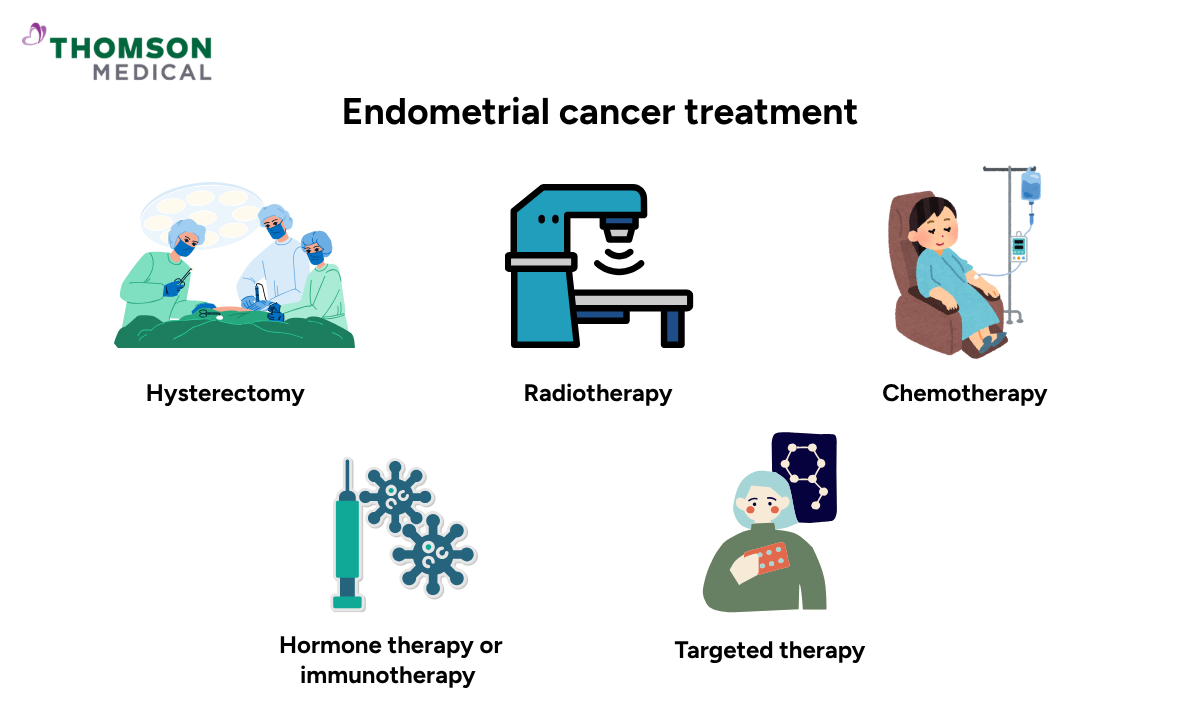
Treatment for endometrial cancer depends on its type, grade, and your overall health and treatment goals. Your specialist may recommend a combination of surgical and non-surgical treatments based on the characteristics of the cancer, with the aim of removing or controlling the cancer and supporting your quality of life.
Surgical treatment
The most common procedure is a hysterectomy, which involves removing the uterus and cervix. Surgery may still be considered if the cancer could be safely removed. Depending on the extent of the cancer, the ovaries, fallopian tubes, nearby lymph nodes, or surrounding tissues may also be removed to help lower the risk of the cancer spreading or recurring.
Non-surgical treatments
If surgery is not suitable or additional treatment is needed, your specialist may recommend one or more of the following:
Radiotherapy, which uses high-energy radiation to destroy cancer cells or reduce the risk of recurrence.
Chemotherapy, which uses anti-cancer medicines to destroy cancer cells that may have spread beyond the uterus.
Hormone therapy, which may be suitable for certain hormone-sensitive endometrial cancers or for women wishing to preserve fertility.
Immunotherapy, which helps the body's immune system recognise and attack cancer cells. This treatment is usually considered for women whose endometrial cancer is linked to Lynch syndrome, as these specific hereditary tumours tend to respond well to immunotherapy drugs.
Targeted therapy, which uses medicines that target certain genetic elements within the cancer cells.
If you are unsure which treatment may be suitable for your condition, consulting with a gynaecological oncologist may help you understand the options available to you. Schedule an appointment with Thomson Women's Clinic & Cancer Surgery.
FAQ
What is the most common age for endometrial cancer?
Endometrial cancer is most commonly diagnosed in women between the ages of 55 and 64 years, with the average age at diagnosis being around 60 years. Although it typically affects women after menopause, it can occasionally occur in younger women, particularly those with inherited genetic conditions or certain hormonal and metabolic risk factors.
How quickly can endometrial cancer spread?
How quickly uterine cancer spreads can vary widely from woman to woman, and there is no fixed timeline for its progression. Factors such as the tumour grade and the cancer type influence the risk and speed of spread. Higher‑grade tumours are generally more aggressive, more likely to spread, and carry a higher risk of metastasis.
Uterine cancers are also grouped into type 1 and type 2 based on how they develop and behave. Type 1 cancers, which are usually low‑grade endometrioid tumours, tend to grow more slowly and often develop over several months or years.
While type 2 cancers, such as papillary serous carcinoma and clear cell carcinoma, are less common but more aggressive. They spread faster beyond the uterus and into lymph nodes or distant organs.
How do you know if endometrial cancer has spread?
The symptoms of endometrial cancer spreading can vary depending on where the cancer has grown. If it remains in or near the uterus, you may experience abnormal vaginal bleeding, unusual discharge, pelvic pain or pressure, pain during urination or intercourse, unexplained weight loss, or persistent tiredness.
If the cancer spreads to other parts of the body, symptoms may depend on the affected organ. These can include changes in urination or bowel movements, abdominal pain, persistent cough or shortness of breath, ongoing bone pain, or headaches and changes in balance, speech, or memory.
However, as these symptoms can also have other causes, your doctor may recommend imaging tests or a biopsy to confirm whether the cancer has spread.
What are the possible complications of endometrial cancer?
When diagnosed and treated at an early stage, endometrial cancer generally responds well to treatment. However, if left untreated or diagnosed at a more advanced stage, complications may occur, including:
- Spread of the cancer to nearby organs or distant metastasis to other parts of the body.
- Anaemia, which may develop due to prolonged or heavy vaginal bleeding.
The information provided is intended for general guidance only and should not be considered medical advice. For personalised recommendations and advice based on your individual circumstances, schedule an appointment with Thomson Medical.
For more information, contact us:
Thomson Specialists (Women's Health)
Thomson Women's Clinic (TWC)
- Novena:
6592 6686 (Call), 8611 8986 (WA) - Bukit Batok:
6569 0668 (Call), 8686 3525 (WA) - Choa Chu Kang:
6893 1227 (Call), 8282 1796 (WA) Jurong:
6262 8588 (Call), 6262 8588 (WA)- Katong (female doctor):
6970 2272 (Call), 8611 9020 (WA) - Punggol:
6243 6843 (Call), 8811 0328 (WA) - Sembawang: 6753 5228
- Sengkang: 6388 8125
- Serangoon (female doctor): 6382 3313
- Tampines: 6857 6266
- Tiong Bahru: 6276 1525