

If you’ve never heard of fallopian tube cancer, you’re not alone. It is one of the rarest gynaecological cancers, which means it’s often unfamiliar to many women. Because of this rarity, the symptoms can be easy for you to overlook or mistake for other, less serious conditions.
The good news is that treatment outcomes are often very positive when fallopian tube cancer is detected early. Understanding more about this rare cancer can help you spot any warning signs and seek treatment before it progresses too far.
What is fallopian tube cancer?

The fallopian tubes are narrow passageways responsible for transporting eggs from the ovaries to the uterus and supporting normal menstrual cycles. Fallopian tube cancer develops when cells inside the tube grow abnormally and form a tumour as part of abnormal cancer development.
There are two main types of fallopian tube cancer:
Primary fallopian tube cancer:
The tumour begins in the tube lining itself.
Secondary fallopian tube cancer:
Cancer spreads from nearby organs such as the ovaries or uterus.
Because the tubes are small and deep inside the pelvis, early tumours don’t always cause noticeable symptoms. That’s why recognising changes in your body and getting checked when something feels off is so important.
What causes fallopian tube cancer?
Causes
The exact cause of fallopian tube cancer is not fully understood. Like other cancers in the reproductive system, it develops when changes in the DNA of your cells disrupt their normal growth and division. These changes can happen randomly, though they may be influenced by genetic or environmental factors.
In some cases, fallopian tube cancer is linked to inherited genetic mutations, particularly in the BRCA1 or BRCA2 genes, which can also increase your risk of ovarian cancer or breast cancer. Knowing about these factors can help you and your doctor take proactive steps for monitoring and prevention.
Risk factors
Certain factors may increase your risk of developing fallopian tube cancer. These do not mean that cancer is inevitable, but they provide important context for personalised screening and prevention discussions.
Age:
More likely to happen if you are over 50, though it can occur at any age.
Genetic predisposition:
If you carry a BRCA1 or BRCA2 mutation, your risk may be higher.
Having Lynch syndrome (HNPCC) can also increase your chances due to changes in DNA repair.
Family history:
A history of breast or ovarian cancer in a close family member may indicate an inherited risk for you.
Infertility and fertility treatments:
If you have long periods of infertility or hormonal fertility therapies
Hormonal factors:
If you’ve had long-term exposure to oestrogen without progesterone
Reproductive history:
Pregnancy and breastfeeding affect your hormonal exposure and menstrual cycles, which may be relevant to your risk.
Understanding your risk factors allows for informed discussions with your healthcare provider and may guide decisions about screening or preventive strategies.
If you have multiple risk factors, a family history of related cancers, or want clearer guidance on what these risks mean for you, schedule a consultation at Thomson Medical for a personalised review and supportive next steps.
Key symptoms of fallopian tube cancer

Symptoms of fallopian tube cancer can be subtle and sometimes feel like other common conditions, which can make it easy to overlook. If you notice any of the following changes and they persist, it’s important to speak with your doctor:
You feel bloated or notice swelling in your abdomen
You have persistent pelvic or lower abdominal pain
You experience vaginal bleeding, especially after menopause
You notice unusual vaginal discharge, sometimes with foul-smelling odour
You urinate more often or notice any bowel changes
You experience unexplained weight loss, fatigue, or low energy
Listening to your body and seeking help early can make a real difference. By reviewing persistent changes with your doctor, you give your care team the best chance to provide personalised, accurate, and timely care.
Stages of fallopian tube cancer
The stage of fallopian tube cancer describes how far the cancer has spread at the time of diagnosis. This helps you understand treatment direction and expected outcomes.
Stage I:
Cancer is contained within one or both fallopian tubes.
Stage II:
Cancer has spread within the pelvis, such as to the uterus or ovaries.
Stage III:
Cancer has extended beyond the pelvis to the abdomen or nearby lymph nodes.
Stage IV:
Cancer has spread to distant organs, including the liver or lungs.
Doctors sometimes describe fallopian tube cancer by how far it has spread, rather than by numbered stages alone.
Local:
Cancer has not spread beyond your fallopian tubes.
Regional:
Cancer has spread to nearby abdominal organs or lymph nodes.
Distant:
Cancer has spread to organs further from the original site.
Staging gives your doctors a clear understanding of how far the disease has progressed, allowing them to better plan your treatment. By doing so, it helps you and your care team discuss prognosis and set care priorities with greater confidence and precision.
If you’ve been diagnosed, notice persistent symptoms, or want to better understand your personal risk, schedule a consultation at Thomson Medical for guidance that feels clear, supportive and tailored to you.
How is fallopian tube cancer diagnosed?
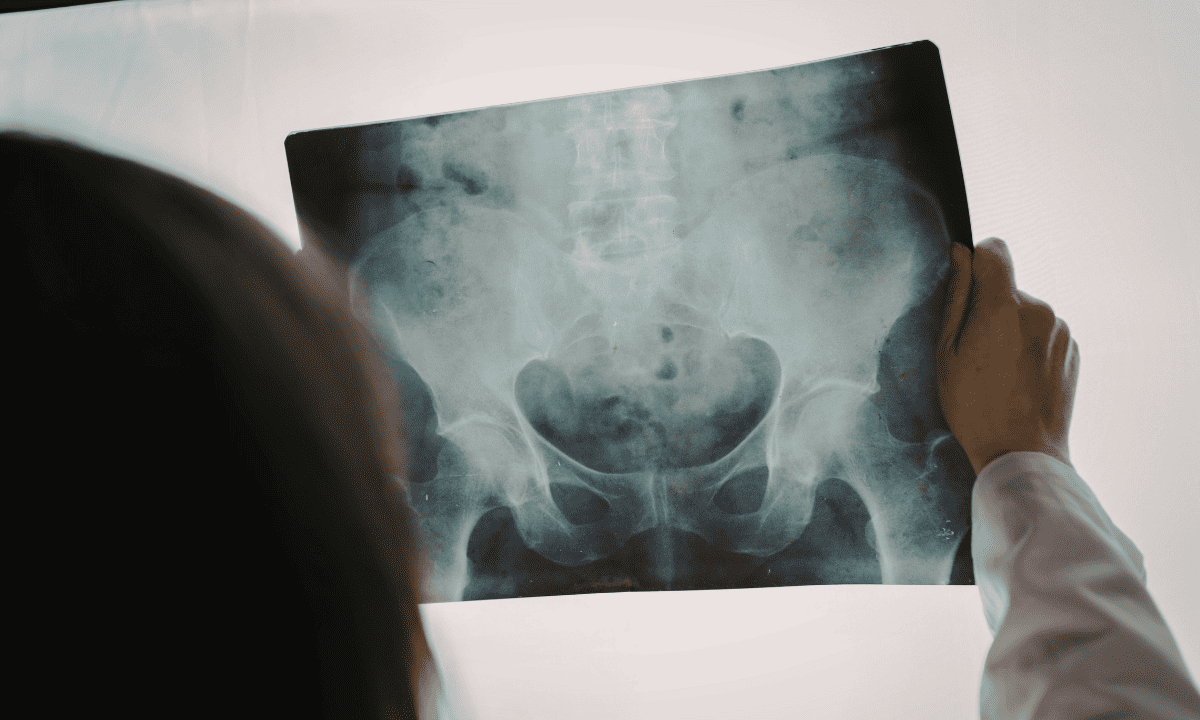
Diagnosing fallopian tube cancer can be emotionally and physically challenging, especially when you’re waiting for clarity. Your doctor may use several tests to understand exactly what’s happening, including:
Pelvic examination:
A gentle clinical pelvic exam for any unusual masses or tenderness
Ultrasound or MRI:
Detailed scans, including an ultrasound scan, that help your doctor view the pelvis and reproductive organs clearly.
CT scan:
A full-body imaging test used to check lymph nodes and other organs for possible cancer spread
Blood tests:
Laboratory tests used to measure tumour markers, such as a CA125 blood test, which may rise with cancer but are not diagnostic on their own
Biopsy or surgical evaluation:
A tissue test used to confirm cancer and determine its type and stage
Receiving a cancer diagnosis early can be frightening, but it also gives you clarity and more options. Your care team can follow the early detection to understand exactly what’s happening and set up a treatment plan that is carefully tailored to your individual circumstances.
Our gynaecologic oncology specialist
Loading...
How can fallopian tube cancer be treated?
The best treatment for you condition is shaped by key clinical details about your cancer and overall health. These include:
The size of the tumour and how far it has spread
How quickly the cancer is growing and how different it looks from healthy cells
The specific cancer cell form
Where in the fallopian tubes the cancer first developed
Personal health factors such as your age, medical history, and current health status
After evaluating these factors, your care team matches treatment options to your priorities, lifestyle, and care goals, including fertility preservation when relevant. Your doctors may then recommend one or more of the following treatment approaches.
Surgery
Surgery is usually the first treatment offered, with the goal of removing the tumour and evaluating cancer spread. Depending on your diagnosis, this may involve removal of the fallopian tubes and ovaries or a more extensive surgical procedure such as a total abdominal hysterectomy, and in some cases, the uterus.
Your surgeon may also assess nearby lymph nodes or remove additional cancer tissue if the disease is more advanced. The intent of surgery is to treat the cancer and provide your clinical team with the information needed to plan your next steps.
Chemotherapy

Chemotherapy uses medication to destroy cancer cells throughout the body. It is commonly recommended after surgery to target any remaining cancer cells and lower the chance of recurrence.
If your cancer has spread beyond the fallopian tubes, chemotherapy plays a central role in your treatment pathway. Your oncologist will determine the most appropriate drug combination and schedule for your condition and overall wellbeing while helping you manage potential side effects.
Radiation therapy
Radiation therapy is not commonly used as a first treatment for fallopian tube cancer. However, in selected cases, it may be recommended to manage cancer that returns in a specific area of the pelvis. Your oncologist will only suggest radiation if it offers a clear benefit based on your clinical profile and treatment history.
Targeted therapy
Targeted therapy is not suitable for every patient but may be included in your treatment plan if your cancer is linked to specific genetic markers, most notably BRCA mutations.
Clinical trials
Clinical trials may be an option for you, depending on your cancer diagnosis, stage, and how your cancer responds to treatment. They may be discussed alongside standard treatments or considered if other options are limited.
Clinical trials study new therapies or treatment combinations that aim to improve outcomes or reduce side effects. Your care team will explain whether a clinical trial is suitable for you and support you in understanding what participation would involve.
If you’ve been diagnosed, are monitoring ongoing symptoms, or want to better understand treatment options based on your personal risk and goals, schedule a consultation at Thomson Medical for guidance that feels clear, supportive and tailored to you.
Can fallopian cancer return?
Fallopian tube cancer can return, particularly in advanced stages. Regular follow-up appointments, imaging tests, monitoring of tumour markers, and access to a dedicated support line are essential for detecting recurrence as early as possible.
Long-term outcomes depend on factors such as:
Cancer’s stage at diagnosis
Tumour grade
How well treatment works
Maintaining healthy lifestyle habits and immediately reporting any new or ongoing symptoms to your healthcare team can help support ongoing care and early intervention if needed.
How can you prevent fallopian tube cancer?
If you are concerned about fallopian tube cancer, your doctor can help you reduce your risk through a combination of medical strategies and lifestyle choices.
Genetic testing and counselling
If you have a family history of breast, ovarian, or fallopian tube cancer, your doctor may recommend genetic testing. This test identifies gene mutations or inherited syndromes that increase your risk.
If you carry a mutation, your doctor can help you develop a personalised prevention strategy for yourself and, if relevant, your children.
Preventive surgery
If you are at high risk, you can reduce your chance of cancer through surgery. Here are some surgeries your doctor may recommend:
Salpingo-oophorectomy:
Your surgeon will remove both ovaries and fallopian tubes
This can lower your risk by up to 96% in BRCA mutation carriers.
Tubal ligation or salpingectomy:
Your doctor will completely close or remove the fallopian tubes.
Discussing preventive surgery with your healthcare provider can help you make informed decisions about reducing your personal risk of fallopian tube cancer.
If you want to make an informed decision about reducing your cancer risk, discussing preventive surgery with your healthcare provider is an option worth considering, particularly if you have a high inherited risk or other significant risk factors.
Hormonal and reproductive factors
Certain reproductive choices can influence your risk:
Oral contraceptives:
May help reduce the risk of fallopian tube cancer.
May also slightly increase the risk of breast cancer and blood clots, especially if you smoke.
You should consult your doctor on contraceptive use.
Pregnancy:
Can lower your risk, with each additional birth providing further protection.
Breastfeeding:
Helps lower your risk, particularly the longer you breastfeed.
Considering these factors can help your doctor guide you in making choices that support both cancer risk reduction and your overall health.
Healthy lifestyle choices
Everyday habits can play an important role in lowering your risk of fallopian tube cancer. These habits include:
Maintaining a balanced diet and staying physically active
Avoiding tobacco use and limiting alcohol consumption
Reaching or maintaining a healthy weight
Non-hormonal management of menopause symptoms
For women with a higher genetic risk or fertility considerations, non-hormonal options may help manage menopausal symptoms while minimising hormone-related cancer risks:
Do regular exercise, have a healthy diet and cut back on alcohol
Work on your mental wellbeing through approaches like cognitive behavioural therapy (CBT) or other stress-management techniques
If needed, your doctor may also prescribe non-hormonal medications to help relieve symptoms.
Discussing these options with your doctor can help tailor a management plan that supports both symptom control and long-term health.
If you have a family history of reproductive cancers, are experiencing persistent symptoms, or want personalised advice on risk reduction, schedule a consultation at Thomson Medical for guidance tailored to you.
FAQ
How is fallopian tube cancer different from ovarian cancer?
Fallopian tube cancer starts in the tubes that connect your ovaries to your uterus, while ovarian cancer begins in the ovaries themselves. Because of this, the exact surgical approach may differ, although other treatments can be similar. Understanding the origin of the cancer helps your care team tailor a treatment plan to your situation.
Is fallopian tube cancer hereditary?
Genetic mutations, especially BRCA1 and BRCA2, can increase your risk of developing fallopian tube cancer. Women with a family history of ovarian or breast cancer may benefit from genetic counselling to assess their risk. This information can guide personalised prevention and monitoring strategies.
What is the survival rate of fallopian tube cancer?
Survival rates depend largely on how early the cancer is detected. Early-stage disease has a five-year survival rate above 90%, whereas advanced-stage cancer has lower survival rates. Timely diagnosis and treatment are key to improving outcomes.
Can you get pregnant after fallopian tube cancer treatment?
Fertility may be affected if one or both fallopian tubes or ovaries are removed. In some cases, fertility-sparing surgery or assisted reproductive technologies may allow pregnancy. Your care team can help you explore options based on your treatment and reproductive goals.
Can fallopian tube cancer come back after treatment?
Fallopian tube cancer can recur, particularly in advanced-stage cancer. To detect any return early, it is important to take regular follow-ups, imaging, and monitoring of tumour markers. Staying conscious and reporting new or persistent symptoms promptly can improve your long-term outcomes.
Can fallopian tube cancer cause peritoneal cancer?
Yes, fallopian tube cancer can sometimes spread to the peritoneum, the lining of the abdominal cavity, leading to primary peritoneal cancer. This is more likely in advanced-stage disease, which is why early detection and careful monitoring are important. Your care team will discuss follow-up strategies and treatment if there is any risk of spread.
How can women reduce their risk of fallopian tube cancer?
Risk can be lowered through lifestyle choices such as:
Maintaining a healthy diet
Staying active
Avoiding smoking, and limiting alcohol
Taking regular gynaecological check-ups
Genetic testing is also important if you have a family history of cancer. In high-risk cases, preventive surgery may be considered in consultation with your specialist.
The information provided is intended for general guidance only and should not be considered medical advice. For personalised recommendations and tailored advice based on your unique situations, please consult a specialist at Thomson Medical. Request an appointment with Thomson Medical today.
References:
American Cancer Society. (2025). Ovarian cancer survival rates. American Cancer Society.https://www.cancer.org/cancer/types/ovarian-cancer/detection-diagnosis-staging/survival-rates.html
Cancer Australia. (2024). What are the risk factors for fallopian tube cancer?. Cancer Australia. https://www.canceraustralia.gov.au/cancer-types/fallopian-tube-cancer/what-are-risk-factors-fallopian-tube-cancer
Penn Medicine. (2025). Fallopian tube cancer risks and prevention. Penn Medicine. https://www.pennmedicine.org/conditions/fallopian-tube-cancer/risks-prevention
The Royal Women’s Hospital. (2025). Fallopian tube cancer. The Women’s.https://www.thewomens.org.au/health-information/womens-cancers-pre-cancers/fallopian-tube-cancer
For more information, contact us:
Thomson Specialists (Women's Health)
Thomson Women's Clinic (TWC)
- Novena:
6592 6686 (Call), 8611 8986 (WA) - Bukit Batok:
6569 0668 (Call), 8686 3525 (WA) - Choa Chu Kang:
6893 1227 (Call), 8282 1796 (WA) - Jurong:
6262 8588 (Call), 6262 8588 (WA) - Katong (female doctor):
6970 2272 (Call), 8611 9020 (WA) - Punggol:
6243 6843 (Call), 8811 0328 (WA) - Sembawang: 6753 5228
- Sengkang: 6388 8125
- Serangoon (female doctor): 6382 3313
- Tampines: 6857 6266
- Tiong Bahru: 6276 1525
Notice
The range of services may vary between TWC/TS locations. Please contact your preferred branch directly to enquire about the current availability.
Request an Appointment