
_(1).png%3Fbranch%3Dprod&w=3840&q=75)
Are you looking for natural ways to protect yourself from cervical cancer? While screening and vaccination give you strong protection, the everyday choices you make – what you eat, how you move, and how you care for your body – can also play a powerful role in keeping your cervix healthy.
Cervical cancer is one of the most preventable cancers affecting women. By understanding how your lifestyle supports your body's natural defence system, you're taking an important step towards protecting your long-term health.
What causes cervical cancer?
Understanding what causes cervical cancer is the first step to protecting yourself. Cervical cancer develops primarily from persistent infection with high-risk types of the human papillomavirus (HPV), a common sexually transmitted virus.
However, it's important to know that not everyone with HPV develops cancer. In fact, most people who contract HPV don’t even realise that they’ve been infected, as they don’t experience any symptoms and their body's immune system clears the virus naturally without any intervention.
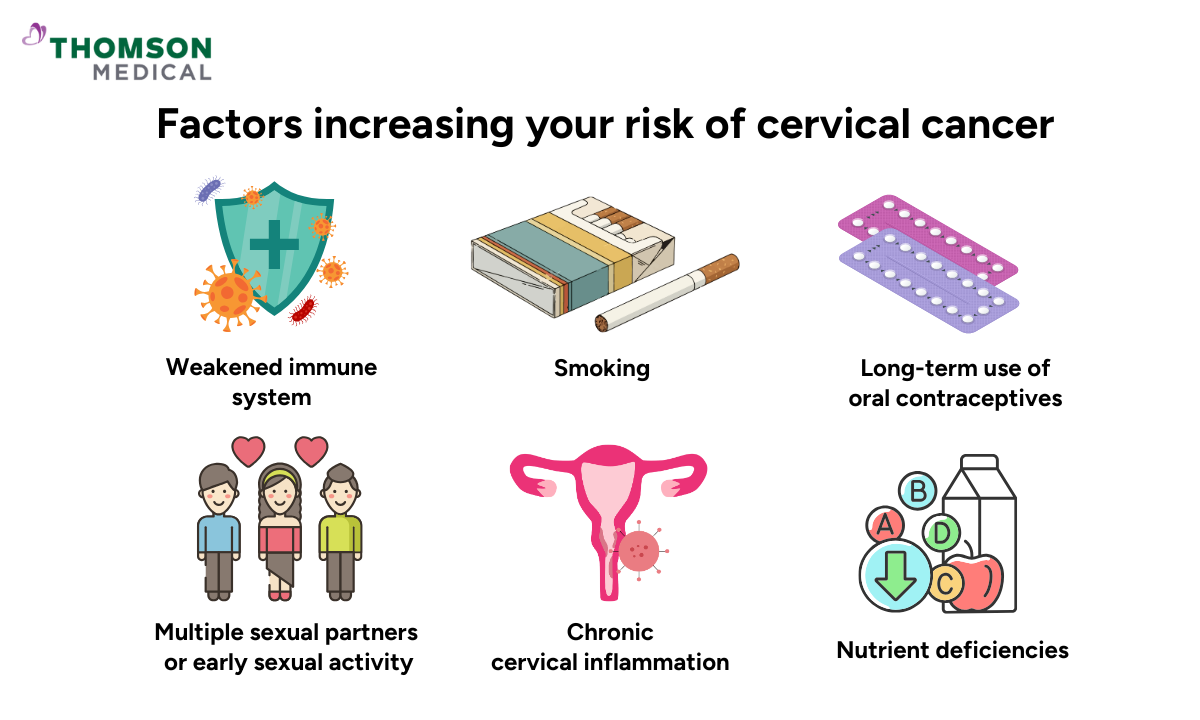
Several factors can increase your risk of developing cervical cancer beyond HPV infection:
Weakened immune system:
Chronic stress, illness, or poor nutrition can reduce your body's ability to fight infections.
Smoking:
Tobacco use damages cervical cells and weakens your immune response.
Long-term use of oral contraceptives:
Extended use may slightly increase risk, though benefits often outweigh this small increase.
Having multiple sexual partners or early sexual activity:
These factors increase HPV exposure because HPV spreads through direct genital skin-to-skin contact with someone who has the virus.
The more partners you have across your lifetime, the higher the chance that one of them may carry HPV.
Chronic inflammation of the cervix:
Persistent inflammation can contribute to abnormal cell changes.
Nutrient deficiencies:
Low levels of folate, vitamin C, and vitamin E can affect your body's ability to repair damaged cells.
Some of these factors relate to immunity and lifestyle, which means there are small changes you can make to support your body's natural defences. Building a strong immune system, maintaining healthy habits, and supporting your cell health can help your body naturally prevent the abnormal changes that lead to cervical cancer.
How can diet help prevent cervical cancer?
What you eat directly affects how well your immune system functions and how your cells repair themselves. A nutrient-rich, plant-based diet provides antioxidants and anti-inflammatory compounds that help your body fight HPV infection and repair damaged cells.
The role of gut health
Your gut health and cervical health are more connected than you might think. A healthy gut microbiome strengthens your immune system and supports your body's ability to clear HPV.
To support your gut health, try these simple steps:
Eat fermented foods like yoghurt and kimchi
Include fibre-rich foods such as fruits, vegetables, legumes, and whole grains
Limit processed foods and sugar
Stay well hydrated throughout the day
A balanced gut creates an internal environment that discourages viral persistence and helps support your body’s ability to clear HPV.
Foods and nutrients that support cervical health
Certain vitamins and minerals play a helpful role in keeping cervical cells healthy. The good news is that getting these nutrients is as simple as eating a variety of colourful, whole foods.
Your cervix relies on several power nutrients to stay healthy, including:
Folate (Vitamin B9):
It repairs DNA and prevents cell mutations. Find it in leafy greens like spinach, kale, and arugula, plus lentils and avocado.
Vitamin C:
It boosts immunity and supports tissue repair. Load up on citrus fruits, berries, bell peppers, and kiwi.
Vitamin E:
This vitamin protects cells from damage. You'll get this from nuts, seeds, and spinach.
Beta-carotene (Vitamin A):
This nutrient keeps cervical tissue healthy. Enjoy carrots, sweet potatoes, and kale.
Selenium and zinc:
These nutrients balance hormones and strengthen immunity. Try Brazil nuts, pumpkin seeds, and seafood.
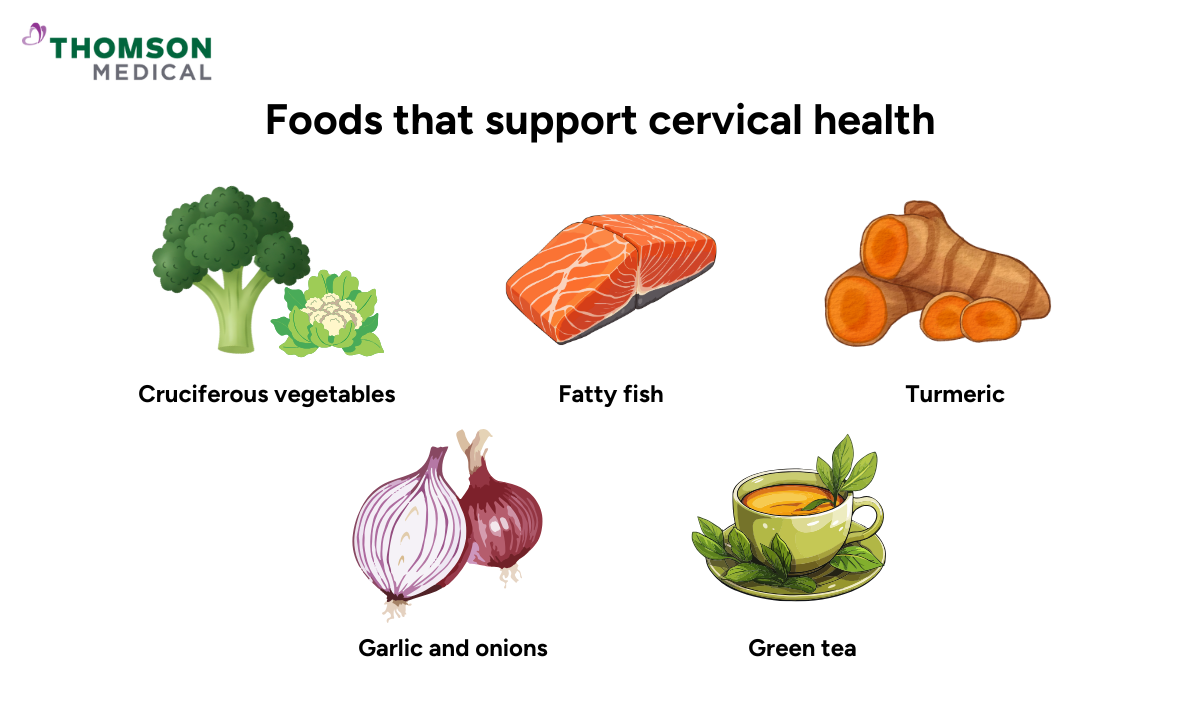
Certain foods can also be especially supportive for your immune system, including:
Cruciferous vegetables:
Broccoli, cauliflower, and cabbage contain sulforaphane, which helps detoxify oestrogen and fight abnormal cells.
Fatty fish:
Salmon and sardines deliver omega-3s that calm inflammation throughout your body.
Turmeric:
This golden spice contains curcumin, a powerful anti-inflammatory and antiviral compound.
Garlic and onions:
These vegetables are nature's antimicrobials that give your immune system a boost.
Green tea:
Green tea is rich in catechins that may help inhibit HPV activity.
Start by adding one or two of these foods to your meals each day, and you'll be supporting your body's natural defences with every bite.
Foods to limit or avoid
Just as some foods protect your cervix, others can work against you. Certain foods weaken your immune system or fuel inflammation, making it harder for your body to fight off HPV. Examples include:
Processed meats:
Hot dogs and sausages contain nitrates and preservatives linked to cancer risk.
Refined sugars and white flour:
These feed harmful gut bacteria and weaken immunity.
Fried or fast foods:
These promote inflammation throughout your body.
Alcohol:
Excessive alcohol consumption impairs liver function and immunity.
Excess dairy or cheese:
Some people find that excess dairy can increase mucus or discomfort, but this varies from person to person.
You don't need to eliminate these foods overnight. Focus on reducing them gradually while increasing the protective foods we discussed earlier – that balance is what truly matters.
If you're concerned about your diet or need nutrition guidance, schedule an appointment with Thomson Medical. Our doctors can assess your individual risk factors and create a tailored prevention plan that fits your lifestyle
Which lifestyle habits reduce cervical cancer risk?
What you do each day matters as much as what you eat. Your daily habits shape how well your immune system can protect you.
Managing stress
Chronic stress quietly weakens your immune system, making it harder to fight off HPV. Finding ways to calm your mind isn't just good for your mental health – it's essential for your cervical health too.
Try stress-reduction techniques that fit your life:
Deep breathing exercises and meditation
Journaling or mindfulness practices
Adequate rest and sleep (aim for seven to nine hours per night)
Spending time in nature or with loved ones
Even 10 minutes of daily stress relief can help your immune system work more effectively.
Physical activity and healthy weight
Movement is medicine for your entire body, including your cervix. Regular exercise boosts circulation, strengthens immunity, and keeps your hormones balanced. You don't need intense workouts – consistent, moderate activity is what counts.
Aim for at least 150 minutes of moderate exercise weekly, such as brisk walking, yoga, or swimming. Your body functions best when you're moving regularly and maintaining a weight that feels right for you.
Avoiding smoking and alcohol
If you're looking for two changes that will dramatically lower your cervical cancer risk, this is it. Tobacco chemicals directly damage cervical cells and weaken your immune response. Alcohol impairs your liver's ability to detoxify harmful substances, leaving your body more vulnerable.
Quitting smoking and limiting alcohol aren't easy, but they're among the most powerful natural ways to protect yourself. Your body starts healing from tobacco damage within weeks of quitting, and every drink you don't have is one less burden on your immune system.
Our cervical cancer specialist
Loading...
Can herbal remedies and supplements help?
.png?branch=production)
While certain herbs and nutrients show promise for cervical health, they work best as additions to – not replacements for – medical screening and a healthy diet. Always consult your doctor before starting any new supplement, especially if you're pregnant or taking other medications.
Potential supportive options include:
Green tea extracts, which may help reduce HPV viral load.
Turmeric (curcumin), which offers anti-inflammatory and antioxidant benefits.
Mushroom extracts, which provide immune-boosting and antiviral properties.
Folate and vitamin C and E supplements, which support cell repair and immunity when dietary intake is insufficient.
If you're considering supplements for cervical health or want to know which options are safe for your situation, schedule an appointment with Thomson Medical. Our specialists can review your health history and recommend a suitable prevention plan.
How do environmental factors affect cervical cancer risk?
Toxins and pollutants in your environment can contribute to cervical inflammation and DNA damage. While you can't control everything, you can take steps to reduce your exposure:
If you can, opt for produce grown with fewer pesticides, or wash regular produce thoroughly.
Use natural cleaning and personal care products
Minimise plastic use, especially when heating food
Get regular fresh air and safe sunlight exposure for vitamin D synthesis
How to prevent cervical cancer
Natural prevention is powerful, but it works best when paired with medical care. The most effective protection comes from combining healthy lifestyle choices with proven medical interventions.
Screening and early detection
Pap smears and HPV tests are your safety net. These simple screenings catch abnormal cells long before they become cancer, giving you the chance to address changes early when treatment is easiest and most effective. Regular screening isn't just recommended – it saves lives.
Vaccination
The HPV vaccine (Gardasil 9) prevents the high-risk HPV types responsible for over 90% of cervical cancers. Even if you're committed to natural prevention, vaccination works with your healthy habits, not against them.
If you're due for cervical cancer screening or have questions about HPV vaccination, schedule an appointment with Thomson Medical. Our doctors can guide you through the screening process and answer any questions you may have.
FAQ
How do I keep my cervix healthy?
Maintain a nutrient-rich diet with plenty of antioxidants, practise good hygiene, avoid smoking, get regular Pap smears, and manage stress effectively. Include foods high in antioxidants like berries, leafy greens, and cruciferous vegetables in your daily meals.
How can I avoid cervical cancer?
You can reduce your risk by practising safe sex (using condoms and limiting sexual partners), getting vaccinated against HPV, eating a clean diet, exercising regularly, avoiding toxins, and attending regular screenings even if you feel healthy.
Can a healthy diet alone prevent cervical cancer?
While a nutrient-rich diet strengthens your immune system and helps your body fight HPV, it cannot guarantee cervical cancer prevention on its own. The most effective approach combines healthy eating with regular Pap smears, HPV vaccination, and lifestyle habits like not smoking. Think of diet as one powerful tool in your overall prevention strategy, not a replacement for medical screening.
Which nutrient deficiencies increase cervical cancer risk?
Deficiencies in folate, vitamin C, vitamin E, and selenium have been linked to an increased risk of cervical cell abnormalities. Eating a varied, nutrient-dense diet helps ensure you're getting adequate amounts of these protective nutrients.
Which exercise should I avoid for cervical health?
Avoid excessively high-impact exercises immediately after cervical procedures, such as biopsies, or during recovery. Otherwise, most exercises are beneficial for cervical health, especially yoga and core-strengthening exercises, which improve pelvic blood flow.
How often should I get screened for cervical cancer?
Most women should have a Pap smear every three years starting at age 25. From age 30, you can choose either a Pap smear every three years or an HPV test every five years. Your doctor may recommend more frequent screening based on your individual risk factors.
The information provided is intended for general guidance only and should not be considered medical advice. For personalised recommendations and tailored advice based on your unique situation, please consult a specialist at Thomson Medical. Schedule an appointment with Thomson Medical today.
For more information, contact us:
Thomson Specialists (Women's Health)
Thomson Women's Clinic (TWC)
- Novena:
6592 6686 (Call), 8611 8986 (WA) - Bukit Batok:
6569 0668 (Call), 8686 3525 (WA) - Choa Chu Kang:
6893 1227 (Call), 8282 1796 (WA) - Jurong:
6262 8588 (Call), 6262 8588 (WA) - Katong (female doctor):
6970 2272 (Call), 8611 9020 (WA) - Punggol:
6243 6843 (Call), 8811 0328 (WA) - Sembawang: 6753 5228
- Sengkang: 6388 8125
- Serangoon (female doctor): 6382 3313
- Tampines: 6857 6266
- Tiong Bahru: 6276 1525
Notice
The range of services may vary between TWC/TS locations. Please contact your preferred branch directly to enquire about the current availability.
Request an Appointment