

Hearing the word “growth” from a doctor can feel unsettling, especially if you’ve been told you have polyps or are thinking about cancer prevention. It’s completely normal to feel concerned.
Polyps are abnormal tissue growths that can develop in different parts of the body. Most are harmless, but some can change over time.
The good news is that there are steps you can take to reduce your risk. Understanding how polyps form and what you can do about them is a helpful first step in protecting your long-term health.
What are the common causes and risk factors?
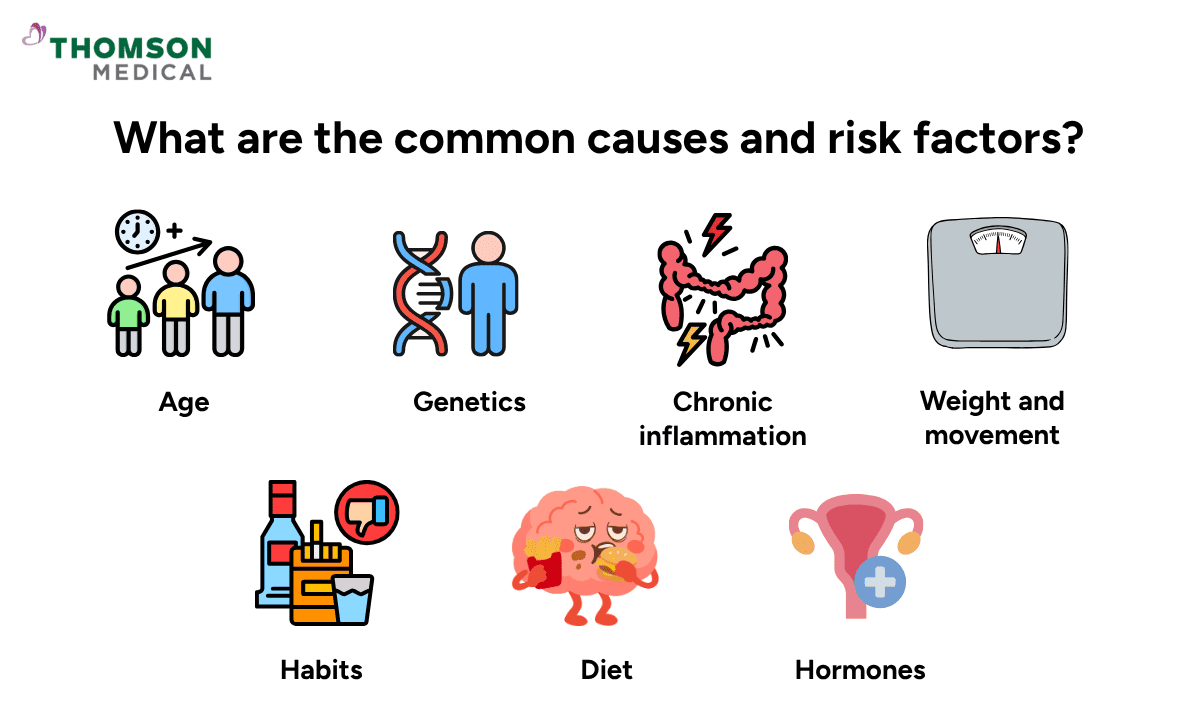
Polyps are small bumps that can form on the inside of some of your body's organs. They can form based on a mix of genetic, lifestyle, and environmental factors.
Common causes and risk factors include:
Age:
Our bodies change as we get older.
Your risk may increase notably after age 45, particularly for colon polyps.
Genetics:
If polyps run in your family history, your risk may be a little higher.
Certain inherited conditions, like familial adenomatous polyposis and Lynch syndrome, may mean you need closer monitoring and regular screening.
Chronic inflammation:
Conditions that cause ongoing irritation, such as inflammatory bowel disease (IBD), Crohn's disease, or chronic sinusitis, can make your tissues more sensitive.
Weight and movement:
Carrying extra weight or being inactive can affect how your cells grow and repair.
Habits:
Smoking and heavy drinking can place extra strain on your body, making it harder to maintain its natural healing processes.
Diet:
A diet high in processed foods, red meat, and saturated fats can contribute to inflammation, which may influence how polyps develop.
Hormones:
Natural hormonal changes, especially in your uterus, can sometimes play a role in the formation of polyps.
Understanding these risk factors helps you recognise what may be contributing to polyp formation and whether closer monitoring is needed. With this insight, you and your care team can take more targeted steps, such as screening, lifestyle modifications, or early detection, to reduce the chance of polyps developing or returning.
Can polyps be prevented?
You may be wondering if polyps can be prevented completely. In some cases, especially where genetics are involved, this may not be possible. However, there are still many ways to reduce your risk.
Prevention plans often focus on:
Keeping inflammation low through a balanced diet and healthy habits
Supporting normal cell turnover in your body
Reducing exposure to known triggers where possible
Regular screenings are one of your strongest tools. When polyps are detected early, they can often be removed before they turn into something more serious.
If you are concerned about your risk of developing polyps or would like guidance on prevention and screening, you may arrange a consultation with Thomson Medical to discuss personalised risk management and early detection options.
What are some lifestyle changes that may help prevent polyps?
Making small lifestyle modifications can go a long way in supporting your health. While not all polyps can be prevented, these changes can help reduce risk factors such as inflammation and support normal cell function over time.
Here are some practical ways to care for your body:
Eat a polyp-preventive diet
A balanced, anti-inflammatory eating plan can support your overall health and gut function.
Here’s what you can do to have a balanced diet:
Focus on fibre:
Aim to regularly include whole grains (such as oats and brown rice), along with beans, lentils, apples, and leafy greens to support bowel movement and gut health
Add variety:
Options like broccoli, cabbage, and cauliflower contain compounds that support the body’s natural detox processes
Support your gut:
Foods like yoghurt, kefir, kimchi, or other fermented options can help maintain a healthy balance of gut bacteria
Include healthy fats:
Fatty fish such as salmon, sardines, and mackerel contain omega-3 fatty acids, which are linked to lower levels of inflammation in your body
At the same time, be mindful of certain foods:
Limit red and processed meats:
Foods like bacon, sausages, and deli meats, if consumed regularly, have been associated with higher colorectal cancer risk.
Reduce fatty and fried foods:
These can produce compounds that may irritate your digestive tract over time.
Cut back on sugary drinks:
If you consume too much sugar regularly, you may experience weight gain and metabolic changes, affecting overall gut health.
Over time, these choices can help support a healthier gut environment and may lower the likelihood of new polyps forming, especially when combined with regular screening as advised by your doctor.
Maintain a healthy weight
Excess weight can sometimes increase inflammation and shift your hormone balance, both of which increase polyp risk.
Maintaining a healthy weight may help reduce inflammation and support hormonal balance, both of which play a role in polyp development.
Exercise regularly
Aim for around 150 minutes of moderate physical activity each week. Activities such as brisk walking, cycling, or swimming can support digestion, regulate hormones, and reduceinflammation.
Avoid smoking and limit alcohol
Smoking has been linked to a higher risk of polyp formation and can weaken your immune system. Heavy alcohol intake is also associated with increased risk. Reducing or avoiding these habits can support your long-term health.
Manage chronic conditions
If you have conditions such as diabetes, inflammatory bowel disease, or hormonal imbalances, keeping them well-managed is important. Ongoing care and regular follow-up can help reduce inflammation and support normal cell function.
If you have had polyps removed, there is a chance they can return. Continuing with these lifestyle habits, along with regular follow-up and screening as advised by your doctor, can help detect any new growths early and reduce your overall risk over time.
Our urgent care centre specialist
Loading...
Can medications help prevent polyps?
In some cases, medication may help reduce the risk of certain types of polyps. However, these are not routinely recommended for everyone and are usually considered based on individual risk.
Some common medications that may be recommended include:
Aspirin and NSAIDs:
These are common pain-relieving and anti-inflammatory medications that can affect how cells grow in your colon
May help reduce colorectal polyp formation in higher-risk individuals
Long-term use may increase the risk of bleeding and should be medically supervised.
Hormonal therapy:
Sometimes used to manage uterine polyps, depending on your symptoms and medical history
Calcium supplementation:
May offer a small benefit in reducing the chance of polyps returning in some cases
Statins:
These are medications used to lower cholesterol levels.
There is some evidence suggesting a possible protective effect, but research is still ongoing.
Speak with your healthcare provider before starting any medication for prevention so they can assess if it is appropriate for your individual risk and health history.
If you are considering medications to help prevent polyps, you may arrange a consultation with Thomson Medical to assess your risk and discuss suitable preventive options.
FAQ
What makes you prone to polyps?
Your risk can be influenced by several factors, including:
Genetics
Age
Chronic inflammation
Excess weight
Smoking
Diet
Certain medical conditions
What food triggers polyps?
Diets high in red and processed meats, fried foods, fast foods, and added sugars are associated with a higher risk. Low fibre intake may also affect gut health over time.
What vitamins reduce polyps?
Evidence suggests these nutrients may help lower risk:
Vitamin D
Calcium
Folate, also known as folic acid
Vitamin B6
Antioxidants like Vitamins A, C, and E
Remember, supplements should complement, not replace, a healthy diet.
Should I worry if I have polyps?
Not necessarily. Most polyps are benign, but some can become cancerous over time. That is why monitoring and removal are important. If you ever notice symptoms like rectal bleeding, it is always best to speak to a doctor right away to be safe.
What is the best treatment for polyps?
Removal through a procedure called polypectomy is the standard approach. It is usually done during an endoscopy or surgery and allows the polyp to be removed completely.
What should I avoid when I have polyps?
You should avoid:
Smoking
Excessive alcohol
Highly processed foods
A sedentary lifestyle
Skipping follow-up screenings
Taking these simple steps today can bring you peace of mind and protect your health for the years to come.
The information provided is intended for general guidance only and should not be considered medical advice. For personalised recommendations and tailored advice based on your unique situations, please consult a specialist at Thomson Medical. Request an appointment with Thomson Medical today.
Reference:
Mannucci, A., Zuppardo, R. A., Rosati, R., Leo, M. D., Perea, J., & Cavestro, G. M. (2019). Colorectal cancer screening from 45 years of age: Thesis, antithesis and synthesis. World journal of gastroenterology, 25(21), 2565–2580. https://doi.org/10.3748/wjg.v25.i21.2565
For more information, contact us:
Thomson Medical Concierge
- 8.30am - 5.30pm
- WhatsApp: 9147 2051
Need help finding the right specialist or booking for a group?
Our Medical Concierge is here to help you. Simply fill in our form, and we'll check and connect you with the right specialist promptly.
Notice:
The range of services may vary between Thomson clinic locations. Please contact your preferred branch directly to enquire about the current availability.
Get In Touch