

Cervical cancer can feel worrying, especially if someone you care about has experienced this issue before. In such situations, it’s natural to wonder whether genetics might put you at greater risk.
Genetics can affect the way your body responds to human papillomavirus (HPV), how easily it is cleared, and how strong the immune system is. Understanding this can bring a sense of clarity and help ease some of the uncertainty, especially if cancer runs in your family.
Can you inherit cervical cancer from your parents?

Cervical cancer is not directly inherited from your parents. Some cancers, such as breast cancer or ovarian cancer, may be caused by inherited gene mutations like BRCA1 or BRCA2. These mutations significantly raise the risk of specific cancers in families.
Cervical cancer does not behave in this way. There is no known single gene mutation that causes cervical cancer to appear in multiple generations in the same family.
That said, you may still inherit genetic factors that influence your overall susceptibility. Inherited characteristics can subtly affect how your immune system responds to viruses, how your cells repair themselves, and how inflammation develops in your body. Specifically, you might inherit traits that make you:
More likely to have a persistent HPV infection:
Your immune system may take a little longer to clear the virus, allowing it to linger for longer periods and increasing your chance of cervical cell changes.
Less able to clear HPV naturally:
Sometimes, small genetic differences in immunity can affect whether HPV infections resolve quickly or remain in the body.
More prone to cervical cell changes (dysplasia):
Dysplasia is a term for abnormal cell growth. It is not cancer, but it can become precancerous if left untreated.
Certain inherited traits may make these changes more likely.
The key point is that you do not inherit cervical cancer itself, but your genetic makeup may influence how your body handles risk factors such as HPV. Genetics is one piece of the puzzle, but it is far from the whole story.
Why HPV Is the main cause
HPV is a very common sexually transmitted infection (STI) spread through sexual contact. There are more than 100 types of HPV. Some cause harmless warts, while others are classified as high risk because they can cause cancer. HPV types 16 and 18 are the most dangerous and cause the majority of cervical cancer cases.
Most people who are sexually active will encounter HPV at some point. The good news is that for the majority of people, the immune system clears the infection naturally within one to two years, and many people may not even realise that they’ve been infected due to a lack of any noticeable symptoms. Cervical cancer develops only in cases of:
Persistent HPV infection:
Sometimes the virus doesn’t clear on its own and remains in the cervix for many years.
Chronic inflammation:
This ongoing inflammation can can gradually irritate your cervical cells over many years, making them more prone to abnormal growth
Precancerous cell changes:
These changes (called CIN) are not cancer, but if they’re left untreated for many years, they can slowly become more serious.
Because HPV is an infection rather than an inherited mutation, cervical cancer is not a genetic disease in the usual sense. It is more closely linked to long-term viral exposure, immune response, and other lifestyle or environmental factors. Genetics may influence the process, but HPV is the main driver.
If you’re concerned about HPV or want guidance on protecting your cervical health, schedule an appointment with Thomson Medical. Our doctors can explain the risks, discuss preventive steps like the HPV vaccine and screening, and answer any questions you may have.
When genetics play a role in cervical cancer
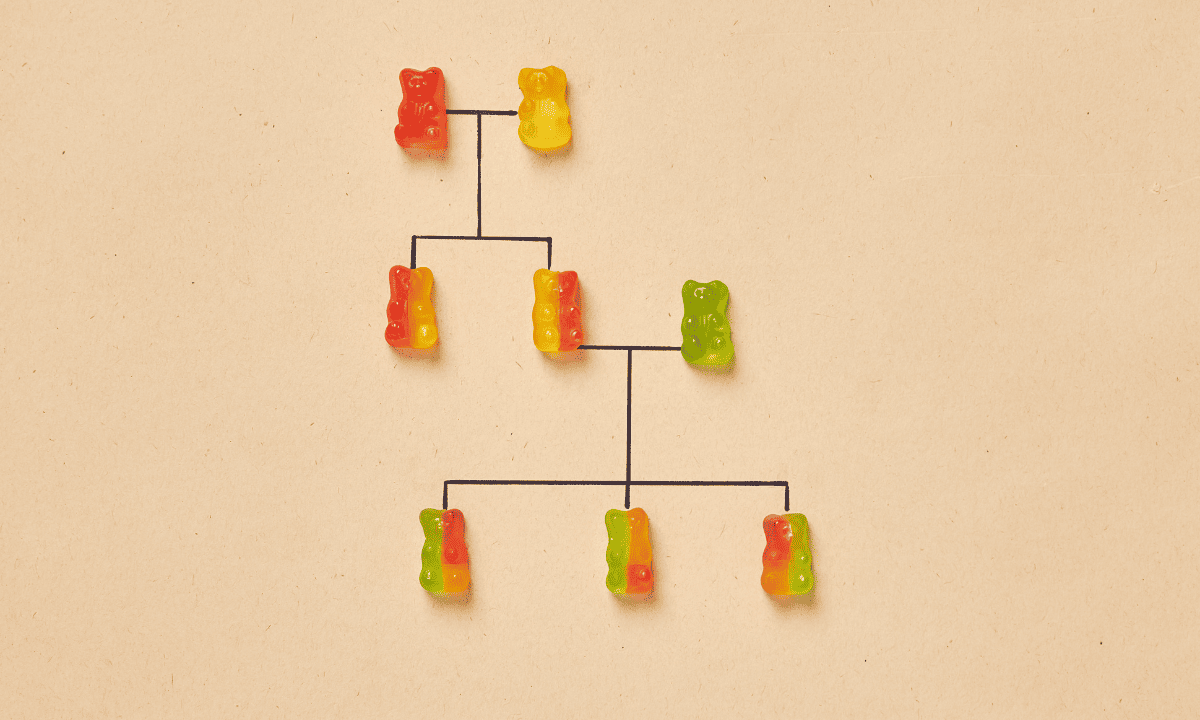
Although hereditary mutations are not the cause of cervical cancer, genetics do play a subtle part in shaping your immune response. Certain gene variations may affect:
How well your immune system recognises HPV-infected cells
How quickly your body clears HPV
Whether inflammation becomes long-lasting
How vulnerable cervical cells are to damage
Some genes studied in scientific research include:
HLA (human leukocyte antigen)
HLA genes are responsible for helping your immune system recognise what belongs to your body and what is foreign, such as viruses or abnormal cells.
Certain HLA types may be less efficient at identifying HPV-infected cells, meaning the virus could persist longer and increase the risk of cell changes.
TP53
TP53 is often called the “guardian of the genome” because it produces a protein that controls cell growth and repairs DNA damage. Variations in this gene may slightly increase the risk of cervical cancer when HPV is present, as your cells may be less able to correct early abnormalities.
IL-10
IL-10 is involved in regulating inflammation. Some variations in this gene can reduce the body’s ability to control long-term inflammation caused by HPV, which may make the cervix more susceptible to abnormal cell growth.
It is important to emphasise that these genetic variations do not guarantee cancer. They are simply subtle risk modifiers that work alongside HPV and other environmental factors.
How your genes affect your body’s response to HPV
Your immune system is highly complex, and its effectiveness depends partly on your genetic makeup. When HPV enters the cervix, the immune system should ideally quickly recognise and destroy any infected cells.
For most people, this process is efficient, and HPV disappears without any noticeable symptoms. However, if your immune-related genes are less responsive or slower to activate, HPV may linger. A persistent HPV infection increases the chance of:
Cervical dysplasia (CIN 1–3):
Abnormal cell changes in the cervix, ranging from mild to severe. They are not cancer, but they can develop into cancer over time if untreated.
Precancerous growths:
Can slowly alter cells and cause precancerous lesions.
Progression to cervical cancer:
Generally slow, giving you plenty of time for detection and treatment.
These processes happen extremely slowly. In many cases, abnormalities can be detected early through screening and are easily treated before they ever develop into actual cancer.
Rare inherited conditions that increase your risk
While cervical cancer itself is not directly inherited, a genetic component can slightly raise risk in a few very rare syndromes. These conditions affect DNA repair, cell growth, or how the body responds to viruses and include:
Li-Fraumeni syndrome:
Caused by a TP53 mutation, it increases the risk of many cancers, including breast, bone, and brain tumours.
It is also associated with embryonal rhabdomyosarcoma (ERMS), a rare type of soft tissue cancer that usually occurs in children.
Cervical cancer is uncommon but can occur.
Fanconi Anaemia:
This condition affects DNA repair and increases susceptibility to HPV-related cancers. People with Fanconi anaemia are more likely to develop abnormal cell changes in the cervix.
Peutz-Jeghers syndrome:
Linked to a mutation in the STK11 gene, this syndrome increases your risk of various digestive and gynaecological cancers, including a slightly elevated risk of cervical cancer.
DICER1 syndrome:
Mutations in the DICER1 gene can lead to a rare condition that increases the risk of certain tumours, including ERMS and other rare cancers.
These conditions are very uncommon. Only a tiny percentage of cervical cancer patients have one of these inherited syndromes. If you do happen to have one of them, your doctor will likely recommend closer monitoring, genetic counselling, and a personalised screening plan to keep you safe.
Our cervical cancer specialist
Loading...
Other risk factors you should know about
Cervical cancer risk is shaped by many factors besides genetics. The strongest risk factors include:
Persistent high-risk HPV infection:
The most important factor. Without HPV, cervical cancer is extremely rare.
Smoking:
Toxins from cigarettes weaken your immune system within cervical tissue and make HPV harder to clear.
Early sexual activity or multiple sexual partners:
Increases exposure to HPV over time
Long-term use of the oral contraceptive pill:
More than five years of birth control use may slightly increase risk, although the benefits often outweigh risks for many women.
Weak immune system:
Conditions like HIV or medications taken after an organ transplant can reduce your body’s ability to fight HPV.
Lack of regular screening:
Pap smears and HPV tests detect cell changes early, often before they develop into cancer.
Multiple childbirths or early first pregnancy:
Hormonal and cervical changes associated with childbirth can slightly increase risk.
Having these risk factors does not mean that you are guaranteed to get cervical cancer – they simply help determine how often screening is recommended. Understanding these factors can help you take clear, achievable steps to protect your health.
Should you consider genetic testing?
For most people, genetic testing is not necessary. There is no approved test that predicts the risk of developing cervical cancer because no single gene causes it.
In these situations, genetic counselling can help determine whether testing would be beneficial. You may benefit from genetic counselling if:
Your family has a history of multiple cancers on the same side
You or a relative developed cancer unusually early
You have been diagnosed with a tumour that is rare or not typical for your age
Your doctor suspects a hereditary condition involving DNA repair genes
Genetic counselling can be reassuring even if testing isn’t needed – many people find it helps them understand their risks more clearly. Genetic counsellors are trained to analyse your family history of cancer, explain risks clearly and support you in making informed decisions.
If you’re unsure whether genetic testing or counselling is right for you, consider scheduling an appointment with Thomson Medical. Our specialist can review your family history, assess your risk, and guide you on the best next steps.
What genetic counselling can tell you
During a genetic counselling session, you can expect to receive guidance on:
Whether your family’s cancer pattern suggests hereditary risk
Whether genetic testing would be useful
What your results mean for you and your relatives
Recommended cervical cancer screening based on your risk profile
Lifestyle or preventive steps to lower risk
Even if testing is not suggested, genetic counselling often provides clarity and reassurance, helping you feel more in control of your health decisions.
Screening and prevention steps for cervical cancer
The most encouraging message is that cervical cancer is highly preventable. Vaccination and regular screening offer far more protection than genetics, and the two most powerful protective steps are HPV vaccination and regular screening.
Prevention measures
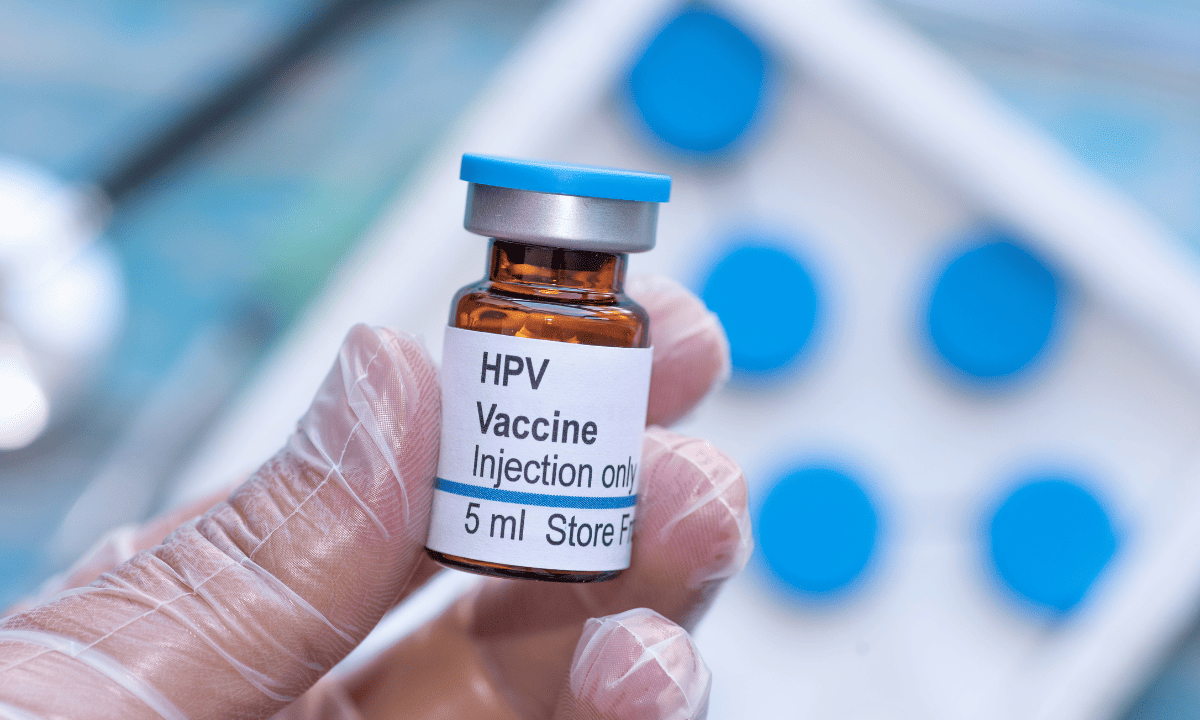
Protecting yourself from cervical cancer does not have to feel overwhelming. Small, simple steps can make a huge difference, and most of them fit easily into everyday life.
HPV vaccination:
Protects against the most dangerous HPV types. Recommended for girls and boys before sexual activity begins, though it still offers benefits up to age 45.
Safer sex practices:
Condoms reduce the chances of HPV transmission and offer general protection for your sexual health.
They don’t offer complete protection, but they lower risk and are a helpful everyday precaution.
Quit smoking:
If you smoke, reducing or quitting can help your body clear HPV more effectively.
Screening recommendations
Screening is a simple but powerful way to stay ahead of cervical cancer. It detects abnormal cells early, long before they become serious.
Ages 21 to 29:
Pap test every 3 years
This checks for early cell changes that you won’t notice on your own.
Ages 30 to 65:
Pap and HPV co-test every 5 years
Continue Pap tests every three years if co-testing isn’t available.
More frequent testing:
Recommended if you’ve had abnormal results before or if your immune system is weaker.
If you're interested in staying on top of your cervical health, you can schedule an appointment with Thomson Medical. Regular testing helps detect changes early and gives you peace of mind knowing you’re taking proactive steps.
FAQ
Can cervical cancer be passed from mother to daughter?
No. Cervical cancer does not pass through genes. HPV, the main cause, spreads through sexual contact, not through family inheritance. A daughter does not inherit cervical cancer risk directly from her mother.
If cervical cancer is not hereditary, why do some families have several cases?
Sometimes families share similar lifestyle habits, immune system traits or exposure patterns. These shared factors can create the appearance of a family pattern even though no hereditary mutation is present.
Is there a genetic test for cervical cancer risk?
At the moment, no. Researchers are studying gene variations that affect immune response, but none are accurate enough to use for predicting individual risk.
What is the difference between hereditary and familial cancer?
Hereditary cancer is caused by a known gene mutation passed through families. Familial cancer appears in families without a clear mutation because of shared genetics, environment or lifestyle. Cervical cancer is typically familial, not hereditary.
Can cervical cancer skip a generation?
Since it is not inherited in a direct way, the idea of skipping a generation does not apply. However, a family may share risk factors that make it seem like the pattern jumps around.
If my mother or sister had cervical cancer, am I more likely to get it?
Your risk may be slightly higher due to shared traits, but you can significantly reduce your risk through the HPV vaccine and regular screening. These are extremely effective protection methods.
Should I get more frequent screening if cervical cancer runs in my family?
Your doctor may recommend more frequent Pap or HPV tests if close relatives had cervical cancer or persistent HPV. This depends on your personal medical history and other risk factors such as smoking or immune system conditions.
What causes cervical cancer besides HPV?
HPV is the essential cause, but other factors can amplify risk by affecting immunity or inflammation. These include smoking, HIV infection, long-term use of the pill, multiple childbirths, and poor nutrition.
Can men carry HPV?
Yes. Men can carry and transmit HPV even without symptoms. Vaccinating boys and men helps protect everyone by reducing overall transmission.
Can cervical cancer develop without HPV?
It is extremely rare. More than 99 percent of cases are linked to HPV. In the very few cases without HPV, other genetic or environmental factors may be involved.
The information provided is intended for general guidance only and should not be considered medical advice. For personalised recommendations and tailored advice based on your unique situations, please consult a specialist at Thomson Medical. Request an appointment with Thomson Medical today.
For more information, contact us:
Thomson Fertility
- Paragon: 6252 7766
- Novena: 6399 3758, 8811 0358 (WA)
Thomson Specialists (Women's Health)
Thomson Women's Clinic
- Novena:
6592 6686 (Call), 8611 8986 (WA) - Bukit Batok:
6569 0668 (Call), 8686 3525 (WA) - Choa Chu Kang:
6893 1227 (Call), 8282 1796 (WA) Jurong:
6262 8588 (Call), 6262 8588 (WA)- Katong (female doctor):
6970 2272 (Call), 8611 9020 (WA) - Punggol:
6243 6843 (Call), 8811 0328 (WA) - Sembawang: 6753 5228
- Sengkang: 6388 8125
- Serangoon (female doctor): 6382 3313
- Tampines: 6857 6266
- Tiong Bahru: 6276 1525