

After going through a major surgery, you may be wondering whether the pain you're feeling is part of healing or a sign that something has gone wrong. That uncertainty, especially in the quiet moments of recovery, can feel just as exhausting as the discomfort itself.
Pain after a hysterectomy is a normal and expected part of the process, and many women experience some degree of soreness, pulling, or fatigue in the weeks that follow. What matters most is knowing what to look out for, how to manage it, and when it's worth calling your doctor. With the right information, recovery becomes a lot less daunting.
Is pain after a hysterectomy normal?
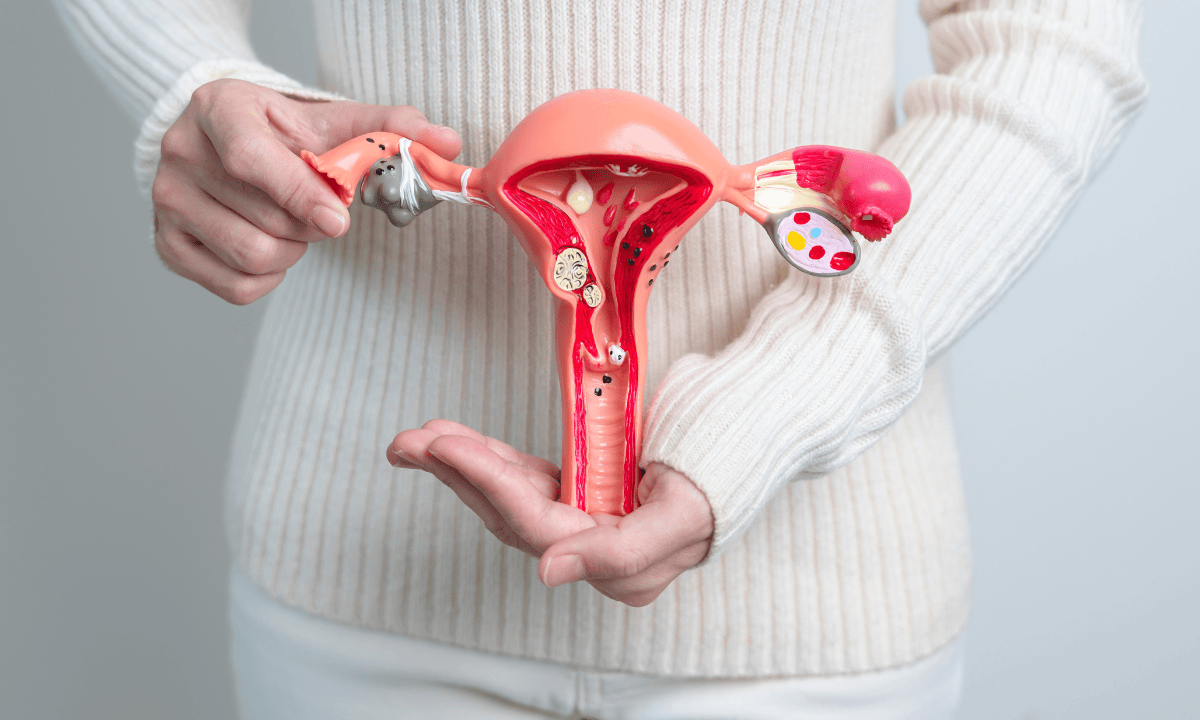
A hysterectomy is a major surgery, and it is natural to feel pain while recovering.
How much you feel will depend on the type of surgery, your overall health, and your individual pain tolerance. For many women, the worst discomfort happens during the first few days but gradually eases over time. However, mild twinges or a pulling sensation can linger for a few months as deeper tissues continue to heal.
What causes pain after a hysterectomy?
Pain after a hysterectomy can come from several sources. Pain levels vary depending on whether you had an abdominal, laparoscopic, or vaginal hysterectomy. Understanding what is driving your discomfort can help you know what to expect and when to seek help.
Normal post-surgical discomfort
Most pain in the early weeks is a direct result of the surgery itself.
Common causes include:
Wound soreness:
Abdominal incisions can feel tight or tender, especially when you stand, cough, or move suddenly
Internal pelvic aching:
Even in minimally invasive surgeries, there is internal healing where the uterus was detached from surrounding structures
Shoulder tip or upper abdominal discomfort:
In laparoscopic surgery, gas used to inflate the abdomen can temporarily irritate your diaphragm. This usually resolves within a few days.
Nerve sensitivity:
Tingling, numbness, or a mild burning sensation near your incision site is common as nerves regenerate
Bladder and bowel discomfort:
Mild pain when passing urine, bloating, or constipation-related cramping can occur, particularly if opioid pain medication is used
Other causes to be aware of
Some pain may stem from causes unrelated to normal healing, including:
Infection at the wound site or internally
Adhesions, which are bands of scar tissue that form internally and can cause ongoing pelvic discomfort
Nerve damage, which can cause persistent pain that does not follow a typical healing pattern
Unresolved underlying conditions, where the original cause of surgery was not fully addressed
Knowing the difference between expected post-surgical soreness and something that warrants attention can feel confusing.
If you're unsure whether what you're experiencing is a normal part of healing or something that needs attention, schedule an appointment with Thomson Medical. Our doctors can assess your symptoms and give you clarity on what's driving your discomfort.
What to expect in the first few weeks
Recovery looks different for every woman, but having a general sense of what lies ahead can make the process feel less daunting.
Here is what many women experience at each stage:
Weeks 1-2:
Discomfort is usually at its worst during this period
Fatigue is normal. Your body is working hard internally, even if the incision looks small.
Rest is essential, and you may need help with daily tasks
Weeks 3-6:
Discomfort should be easing noticeably
Light activities can gradually resume, though lifting, strenuous exercise, and driving should still be avoided
Some internal pulling or tenderness is still normal as deeper tissues continue to heal
Beyond 6 weeks:
Many women feel significantly better by six to eight weeks after abdominal hysterectomy
Recovery from laparoscopic or vaginal hysterectomy is often quicker, around two to four weeks
Occasional mild twinges can continue for up to two to three months, and this is normal
Throughout all stages, a slow and steady improvement is what to look for. If pain feels like it is increasing rather than easing, or if something simply does not feel right, it is worth checking in with your doctor.
How to manage pain after a hysterectomy
Recovery after a hysterectomy takes time, but the right support helps you through it. Managing pain well from the start, through medication and simple daily habits, can help you heal more comfortably.
Medication
Staying on top of pain relief from the start makes recovery more manageable:
Take prescribed pain relief regularly in the first few days. Please do not wait for pain to become severe.
Paracetamol and anti-inflammatories are commonly recommended. Stronger painkillers may be prescribed short-term.
If your medication does not feel adequate, consider speaking to your doctor
Do not hesitate to flag concerns about pain control at your follow-up appointments.
Movement and rest
Finding the right balance between activity and rest is one of the most important things you can do in the early weeks:
Short, gentle walks help circulation, reduce stiffness, and lower the risk of blood clots
Balance light activity with adequate rest, as your body needs energy to heal internally
Listen to your body and avoid pushing yourself too soon.
Everyday comfort
Small adjustments to your daily routine can make a noticeable difference to your comfort levels:
Hold a pillow against your abdomen when coughing or sneezing
Wear loose clothing and avoid sudden twisting movements
Stay hydrated, eat fibre-rich foods, and use stool softeners if recommended, as constipation can worsen pelvic discomfort
These small adjustments may make a noticeable difference to your comfort during recovery.
Pelvic floor support

Pelvic floor recovery is often overlooked, yet it can play a meaningful role in your long-term comfort and quality of life.
When to start:
Most women can begin gentle pelvic floor exercises within the first few weeks, though timing varies depending on your procedure. Always follow your doctor's or physiotherapist's guidance.
Consider a referral:
A pelvic floor physiotherapist can guide you through exercises that are safe for your stage of healing. Ask your doctor if a referral has not already been discussed.
How it helps:
Regular gentle exercises help restore muscle tone, reduce prolapse risk, ease ongoing pelvic discomfort, and support sexual comfort as you recover.
While pelvic floor recovery is a small part of recovery, it’s still worth prioritising.
If you're struggling to manage your pain or feel unsure about what level of activity is right for your stage of recovery, schedule an appointment with Thomson Medical. Our team can review your progress and help you build a recovery plan that works for you.
When to contact your doctor
Some discomfort after a hysterectomy is expected, but certain symptoms should not be ignored.
Contact your doctor if you notice any of the following:
Pain that worsens rather than improves, or is not relieved by medication
Fever or chills
Heavy vaginal bleeding
Foul-smelling or unusual discharge
Increasing redness, swelling, or discharge at the incision site
Difficulty passing urine
Seek urgent medical attention if you experience:
Sudden severe abdominal pain
Swelling or pain in one leg
Chest pain or shortness of breath
These may indicate a blood clot or other complication that requires immediate evaluation.
When in doubt, it is always better to check. Your recovery matters, and your healthcare team is there to support you through it.
Gynaecologists at Thomson Medical
Loading...
FAQ
How long does pain usually last after a hysterectomy?
Recovery normally takes:
Four to six weeks for abdominal hysterectomy
Two to four weeks for laparoscopic or vaginal approaches.
Mild twinges can persist for up to two to three months as deeper tissues heal. Steady improvement over time is the sign that your recovery is on track.
Why am I still in pain 4 months after a hysterectomy?
Persistent pain beyond three to four months is less common and should be evaluated. Possible causes include scar tissue, nerve-related pain, pelvic floor tension, or an unresolved underlying condition. Speak to your doctor for a proper assessment.
Does a hysterectomy affect my sexual activities?
Some women find that intimacy improves after a hysterectomy, particularly if surgery relieved symptoms like heavy bleeding or chronic pelvic pain. Most doctors advise avoiding intercourse for six to eight weeks. If discomfort persists beyond recovery, contact your doctor.
What are the best pain relief options after a hysterectomy?
Paracetamol and anti-inflammatories are commonly recommended, with stronger painkillers prescribed short-term if needed. Gentle walking, good hydration, and a fibre-rich diet also support recovery. For longer-term pain, pelvic floor physiotherapy may be recommended.
Can pain after a hysterectomy indicate infection or other complications?
Most pain is a normal part of healing. However, increasing pain alongside fever, unusual discharge, or wound redness may indicate infection or another complication. Any symptoms that are worsening or feel unusual should be reported to your healthcare provider promptly.
How can I differentiate between normal post-hysterectomy pain and signs of complications?
Normal recovery pain gradually improves week by week and is manageable with medication. Pain that worsens, does not respond to medication, or is accompanied by fever, heavy bleeding, unusual discharge, or swelling is less common and should be reviewed by your doctor.
Is shoulder pain normal after a laparoscopic hysterectomy?
Yes, shoulder tip pain is a common and temporary side effect of laparoscopic surgery. It is caused by gas used to inflate the abdomen during the procedure, which can irritate the diaphragm. This discomfort usually resolves within a few days.
The information provided is intended for general guidance only and should not be considered medical advice. For personalised recommendations and advice based on your unique situation, please consult a specialist at Thomson Medical. Request an appointment with Thomson Medical today.
For more information, contact us:
Thomson Specialists (Women's Health)
Thomson Women's Clinic (TWC)
- Novena:
6592 6686 (Call), 8611 8986 (WA) - Bukit Batok:
6569 0668 (Call), 8686 3525 (WA) - Choa Chu Kang:
6893 1227 (Call), 8282 1796 (WA) - Jurong:
6262 8588 (Call), 6262 8588 (WA) - Katong (female doctor):
6970 2272 (Call), 8611 9020 (WA) - Punggol:
6243 6843 (Call), 8811 0328 (WA) - Sembawang: 6753 5228
- Sengkang: 6388 8125
- Serangoon (female doctor): 6382 3313
- Tampines: 6857 6266
- Tiong Bahru: 6276 1525
Notice
The range of services may vary between TWC/TS locations. Please contact your preferred branch directly to enquire about the current availability.
Request an Appointment