

A healthy smile is about more than just looking good. It is a reflection of your overall well-being. Even if you brush and floss every day, plaque and tartar can quietly build up in areas your toothbrush cannot reach. This is where scaling and polishing can help. It is a simple and gentle procedure that keeps your teeth healthy, fresh, and bright.
If you have ever wondered whether a professional cleaning is worth it, this guide explains what scaling and polishing involve, why they are important, and what you can expect during your visit to Singapore.
What is scaling?
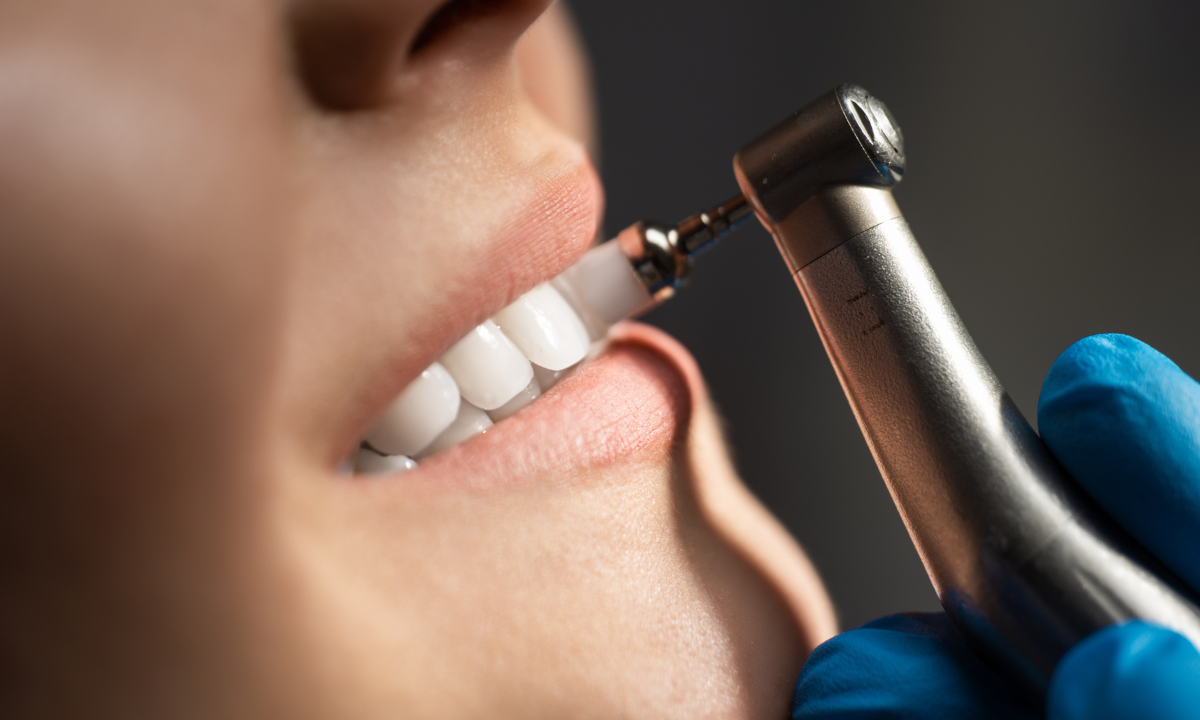
Scaling is a professional cleaning procedure that removes plaque and tartar from your teeth. Plaque is a soft, sticky film that forms every day. If it is not removed, it hardens into tartar, also known as calculus. Tartar cannot be removed by brushing at home.
Removing tartar is important because it can irritate your gums and create the conditions for gum disease and cavities. Scaling clears these deposits, keeping your teeth and gums healthy.
Dentists use two main methods for scaling:
Manual scaling:
Your dentist uses special handheld tools called scalers to gently remove plaque and tartar from your teeth.
Ultrasonic scaling:
A small vibrating device loosens the tartar while a gentle stream of water washes it away. This method is usually quicker and very comfortable.
Most patients feel only mild scraping or vibration during the procedure. It is far from painful and leaves your teeth feeling light and clean.
What is polishing?
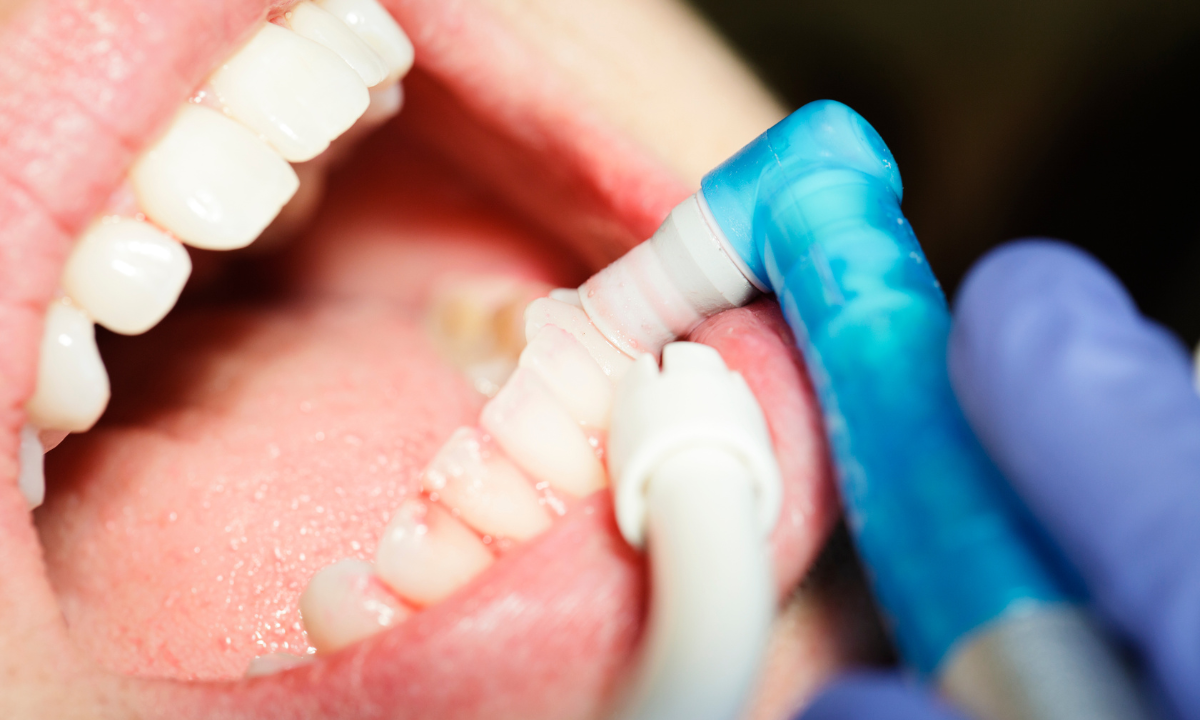
After scaling, the next step is polishing. Polishing smooths the surface of your teeth, making it more difficult for plaque to stick in the future. A polished tooth surface also feels clean and leaves your smile looking brighter.
During polishing, a dental professional applies a special abrasive paste and rotates a soft rubber cup or brush against your teeth. The gentle friction removes surface stains caused by food, drinks, or smoking.
Some common benefits of polishing include:
Restore the natural shine of your teeth
Improve the overall appearance of your smile
Make it easier to maintain oral hygiene at home
Polishing is not only cosmetic; it also contributes to long-term dental health by reducing bacterial accumulation.
Why scaling and polishing is important
Even with regular brushing and flossing, plaque can form in areas that are difficult to clean. Over time, plaque that is not removed can harden into tartar, which can irritate your gums and lead to gum disease, bad breath, and tooth decay.
Regular scaling and polishing offer several benefits:
Prevents gum disease:
Getting rid of tartar helps your gums stay calm and happy, preventing inflammation and more serious gum problems.
Reduces the risk of cavities:
Plaque is full of bacteria that produce acids, slowly wearing down your enamel. Scaling helps stop that in its tracks.
Freshens breath:
Cleaning away bacteria and debris makes your mouth feel cleaner and your breath fresher.
Improves how your teeth look:
Polishing smooths your teeth and lifts away surface stains, leaving your smile brighter and more confident.
In Singapore, dental clinics recommend scaling and polishing every six months, though your dentist may suggest a different frequency depending on your oral health. Those with a history of gum disease, heavy tartar buildup, or certain medical conditions may require more frequent visits.
Our dentist
Loading...
What to expect during the procedure
Knowing what to expect can help you feel more at ease during your dental visit. A typical scaling and polishing session usually follows these steps:
Initial check-up
Your dentist will take a close look at your teeth and gums to see how healthy they are and spot any areas that need extra attention.
Scaling
Using either manual instruments or ultrasonic tools, your dentist gently removes plaque and hardened tartar from the surfaces of your teeth and just below the gum line.
You may feel a mild scraping or gentle vibrations, but it is generally painless. Most patients do not require local anaesthesia, and the process helps prevent gum disease, cavities, and other dental issues.
Root planing
In certain cases, particularly if there are deeper pockets of tartar or signs of gum disease, root planing may be performed. This involves smoothing the surfaces of the tooth roots, which helps the gums reattach to the teeth and reduces the chance of plaque building up again. This step is optional and only done when necessary for your specific situation.
Polishing
After scaling, your teeth are polished with a soft rotating brush and a special dental paste. The polishing smooths the surfaces of your teeth, removing minor stains from food, drinks, or smoking, and leaves your teeth looking brighter and feeling clean.
It also makes it harder for plaque to stick in the future, helping maintain your oral health between visits.
Fluoride treatment (optional)
Some dental clinics offer a fluoride application at the end of the session. This protective coating helps:
Strengthen tooth enamel
Make your teeth more resistant to decay and cavities
Give your smile an extra layer of protection
If you’d like guidance on maintaining healthy teeth and gums or want to schedule a scaling and polishing session, schedule an appointment with Thomson Medical. Our dentist can walk you through the procedure and help you keep your smile healthy and bright.
Aftercare and tips for maintaining healthy teeth
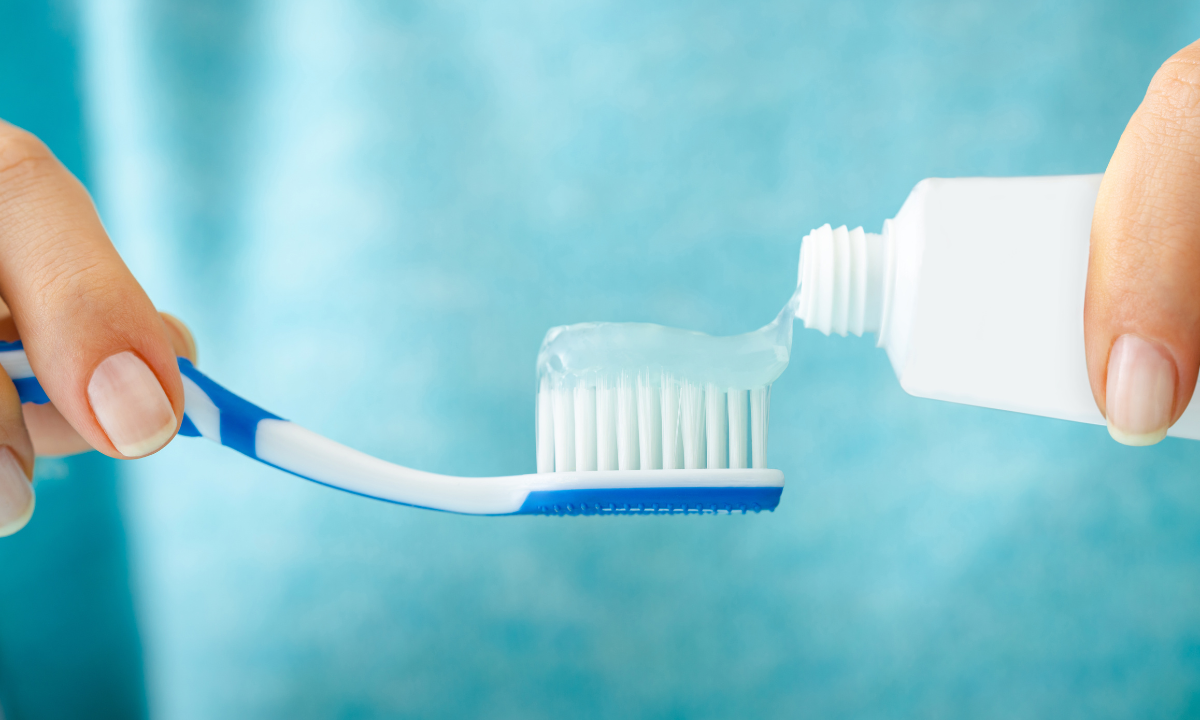
Scaling and polishing are effective, but maintaining your results requires good daily oral hygiene. Here are some tips to keep your teeth healthy between visits:
Brush at least twice a day using a fluoride toothpaste.
Floss daily to remove plaque from areas that your toothbrush cannot reach.
Limit sugary foods and beverages, which contribute to plaque formation.
Avoid smoking, as it increases the risk of gum disease and stains teeth.
Schedule regular dental check-ups and cleanings every six months or as advised by your dentist.
Proper aftercare can ensure your gums remain healthy and your teeth continue to look and feel their best.
Who can benefit from scaling and polishing?
Scaling and polishing is suitable for most people, no matter their age. It’s especially helpful for:
Adults looking to prevent gum disease and cavities:
Even with regular brushing, plaque can sneak into hard-to-reach areas, so professional cleaning helps keep your gums and teeth healthy.
Anyone with visible tartar buildup or yellowing teeth:
Professional cleaning removes stubborn deposits and surface stains, helping your smile look brighter.
Those struggling with persistent bad breath:
Removing bacteria and debris can make a noticeable difference in keeping your breath fresh.
People with sensitive or inflamed gums:
Cleaning away tartar reduces irritation and supports gum health.
Seniors and elderly individuals:
As we grow older, keeping gums and teeth healthy becomes increasingly important to prevent age-related dental issues.
Children can also benefit from professional cleaning, although the recommended frequency may differ. Your dentist can provide personalised advice tailored to each child’s or adult’s oral health needs.
Who may not be suitable for scaling and polishing?
While scaling and polishing are generally safe and effective, there are certain situations where ultrasonic scaling may not be recommended:
Medical conditions:
People with specific medical conditions, such as pacemakers or certain heart issues, may need to avoid ultrasonic scaling, as the vibrations could interfere with medical devices.
Strong gag reflex:
Some patients are more sensitive to the sensations or vibrations of an ultrasonic scaler. If this triggers a gag reflex, your dentist can use different techniques to make the procedure more comfortable.
Dental restorations:
Crowns, veneers, or implants may be affected by ultrasonic vibrations, so scaling may need to be adjusted to protect these restorations and the materials used to bond them.
Sensitive gums or severe periodontal issues:
For those with very sensitive gums or advanced gum problems, ultrasonic scaling might cause discomfort. Your dentist will tailor the approach to reduce irritation.
If you have concerns about whether scaling and polishing is right for you, schedule a consultation with Thomson Medical. Our dentist can review your medical history, assess your teeth and gums, and recommend the safest and most effective approach for your oral health.
What to avoid after scaling and polishing?
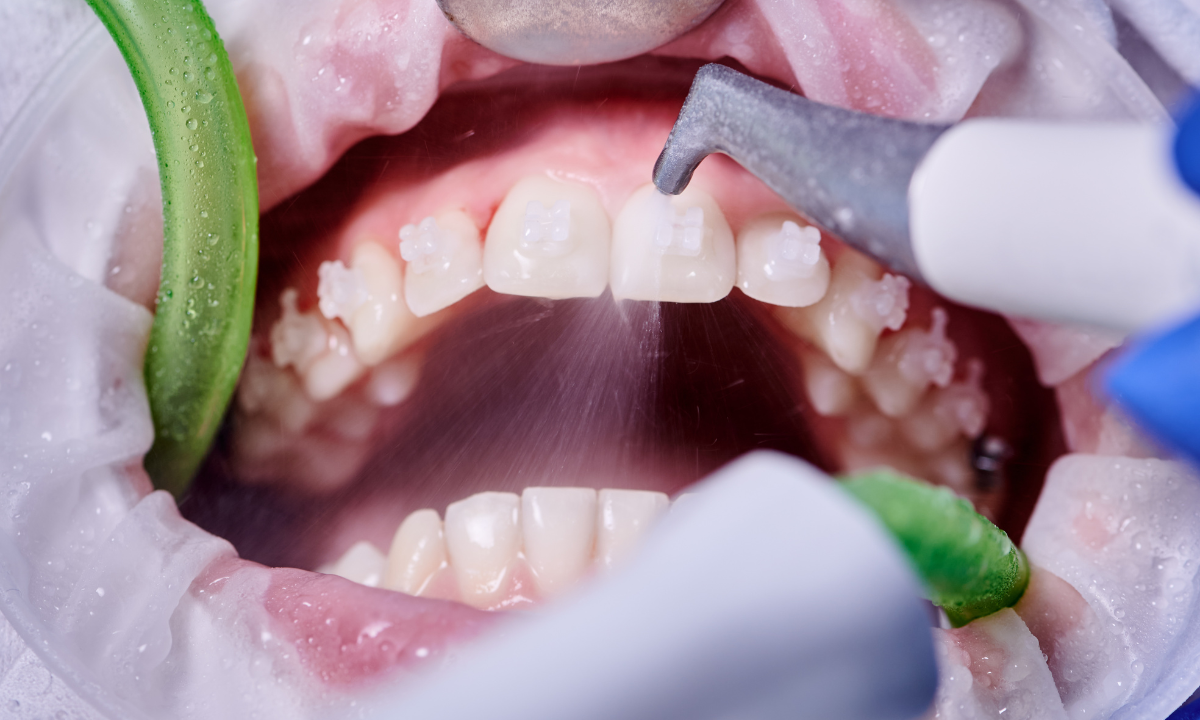
After a scaling and polishing session, taking care of your teeth and gums helps them heal comfortably and keeps your smile healthy. Here’s what to keep in mind:
Give your mouth a short rest:
Try to avoid eating or drinking for at least 30 minutes after your appointment.
Stick to soft, mild foods at first and avoid hot or spicy meals, as your gums may be a little sensitive.
Rinse gently:
Use a medicated mouthwash or warm salt water to rinse your mouth twice a day, especially after meals. This helps reduce any swelling and keeps the area clean.
Follow your dentist’s instructions:
If you’ve been prescribed any medications or special mouth rinses, use them exactly as directed to support healing.
Be gentle when brushing:
Use a soft-bristled toothbrush and brush lightly in circular motions to avoid irritating your gums.
Avoid smoking for at least 24 hours:
Smoking can slow healing and increase the risk of complications, so it’s best to give your gums a break.
Expect mild sensitivity:
Your teeth and gums may feel slightly sensitive to hot or cold foods and drinks. If the sensitivity persists or worsens, contact your dentist.
Stay hydrated:
Drinking plenty of water helps keep your mouth clean and supports recovery.
Keep up with follow-ups:
Attend any follow-up appointments your dentist recommends as regular check-ups are key to maintaining oral health.
Everyone heals a little differently, so if you notice anything unusual or have concerns after your appointment, don’t hesitate to reach out to your dentist. Following these simple steps can make your recovery smoother and keep your smile feeling fresh and healthy.
What is the price for scaling and polishing?
The cost can range from SGD 50 to SGD 250 or more, depending on various factors. Public institutions like polyclinics may charge less, but private clinics often have shorter waiting times.
Can I use MediSave/CHAS to pay for a dental check-up?
For scaling and polishing procedures, CHAS subsidies are available, ranging from SGD 20 to SGD 40, depending on the colour of your CHAS card. Additional details on CHAS subsidies can be found here.
MediSave typically does not cover general dental treatments, such as dental check-ups, unless they involve surgical procedures deemed medically necessary. Non-surgical dental treatments, including routine check-ups, are not eligible for claims under the MediSave scheme.
If you’d like more details on costs, subsidies, or payment options for scaling and polishing, schedule a consultation with Thomson Medical. Our dentist or clinic staff can guide you on the most suitable and convenient options for your needs.
FAQ
How often should I have scaling and polishing?
Most people benefit from having their teeth professionally cleaned every six months. This schedule helps keep plaque and tartar under control and prevents gum problems before they start.
However, if you have sensitive gums, a history of gum disease, or heavy tartar buildup, your dentist might recommend more frequent visits. Think of it as giving your smile a regular refresh so it stays healthy and comfortable.
Is scaling and polishing painful?
For most patients, the procedure is surprisingly gentle. You may feel a mild scraping or a buzzing sensation from the ultrasonic tools, but it is rarely uncomfortable.
Dentists are very careful with sensitive areas, and for those with extra-sensitive teeth, a topical gel can be applied to ease any discomfort. Afterward, your gums might feel a little tender for a day or two, but this is temporary and usually nothing to worry about.
Will my teeth be whiter after polishing?
Polishing removes surface stains caused by food, drinks, or coffee, giving your teeth a natural shine. It is not a whitening treatment, so it won’t change your teeth’s natural colour dramatically.
That said, most people notice a brighter, fresher appearance immediately after the procedure. It’s a subtle but satisfying difference that makes your smile feel cared for.
Can I eat or drink after the procedure?
Yes, you can eat and drink normally. If your gums are slightly tender, it might be more comfortable to avoid very hard or sticky foods for a few hours.
Is it safe for everyone?
Scaling and polishing is safe for almost everyone, from young adults to older adults. It is even beneficial for people who already take great care of their teeth at home, as it reaches places that brushing and flossing cannot. Your dentist can personalise the procedure for your needs, ensuring it is both safe and effective.
Will scaling and polishing help with bad breath?
Yes. Plaque and tartar are common culprits behind persistent bad breath. By removing them, scaling and polishing can help your mouth feel fresher and cleaner. Combined with good daily oral hygiene, it is one of the most effective ways to tackle unpleasant odours and keep your breath naturally pleasant.
The information provided is intended for general guidance only and should not be considered medical advice. For personalised recommendations and tailored advice based on your unique situations, please consult a specialist at Thomson Medical. Request an appointment with Thomson Medical today.
Dr Charlotte Goh
Dentistry
Thomson Dental Centre (Novena Specialist Center)
English
AIA Dental PPO, Alliance MediNet, IHP, Inova Care and 2 others
