

If you've just had a cervical polyp removed, it's natural to feel uncertain about what comes next.
You might notice some issues like bleeding or mild cramping and wonder whether that's normal. You may also be thinking about what you can do to feel more comfortable as you heal and when it might be better to consult your doctor.
The reassuring part is that most women recover without any major issues. Knowing what to expect can make the whole process feel a lot less daunting.
Normal symptoms after cervical polyp removal
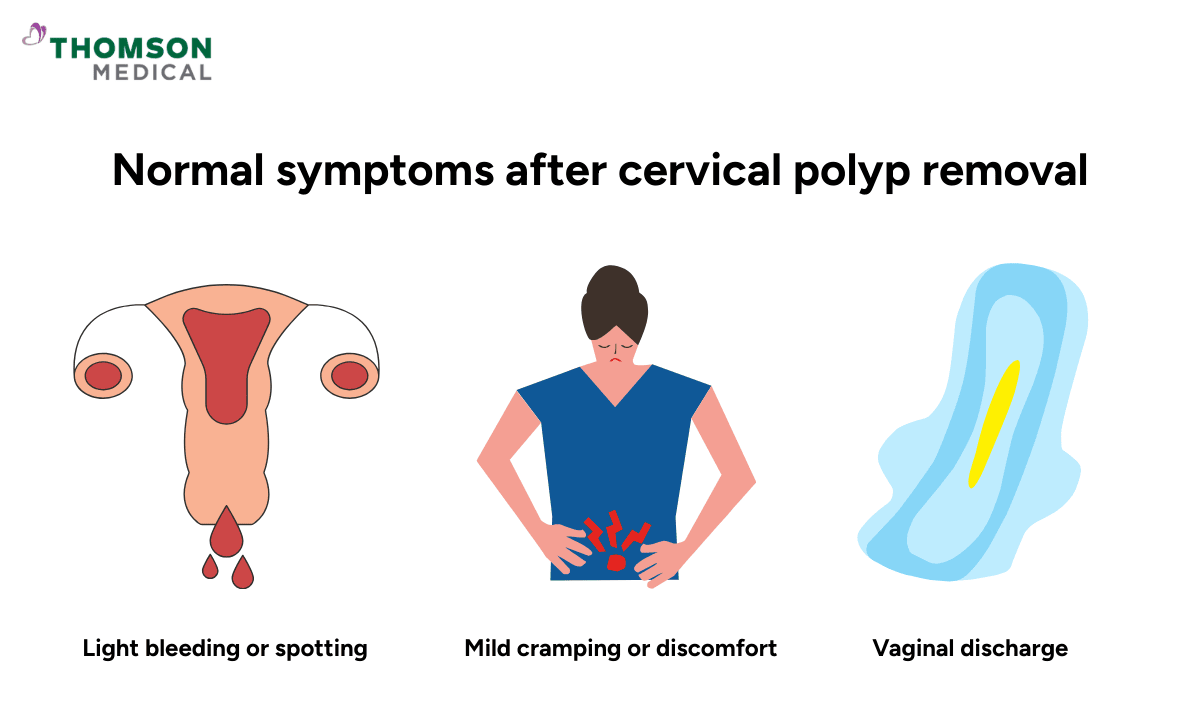
Once the cervical polyp is removed, your body begins healing the small area where it was. That process can bring a few unfamiliar sensations, but most of them are a normal part of recovery.
Light bleeding or spotting
Some light bleeding or spotting in the one to two weeks after the procedure is common. At first, the blood may appear bright red, then gradually shift to pink, brown, or a more watery discharge.
This happens because your body is healing the site where the polyp was. The bleeding may gradually become lighter over time.
Mild cramping or discomfort
You may feel some mild cramping in your lower abdomen or back, similar to light period cramps.
This usually:
Starts shortly after the procedure
Improves within a day or two
This is your uterus and cervix adjusting after the procedure, and it typically settles on its own without any intervention.
Vaginal discharge
A light discharge is also something you might notice during recovery.
It can be:
Watery
Slightly brown
Tinged with old blood
These are all normal signs of healing and can last up to four weeks. As long as it doesn’t have a strong or unpleasant smell, it is usually not a concern.
For most women, these symptoms are mild throughout recovery and there are a few simple things you can do at home to stay comfortable.
Not sure if what you’re experiencing is normal? Request an appointment with Thomson Medical. Our doctors can help you understand your symptoms, assess whether your recovery is on track, and guide you on what to do next.
How to support your body during recovery
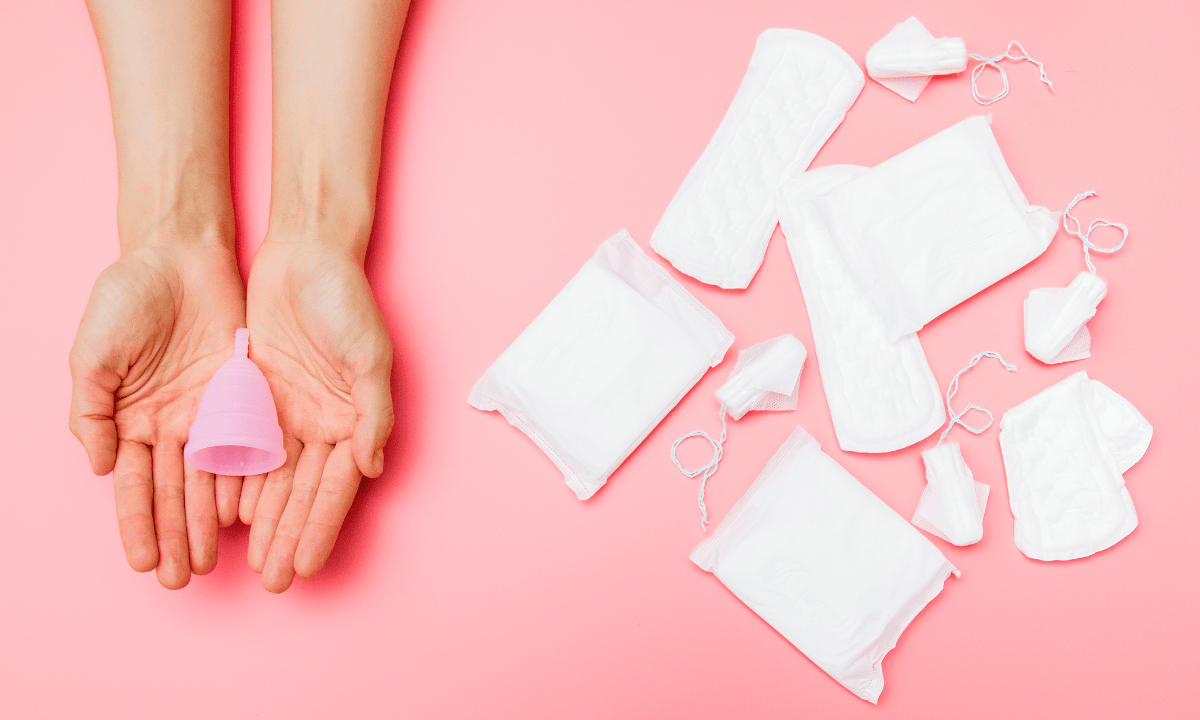
After cervical polyp removal, your body will heal gradually on its own. That said, a few simple things can help ease any discomfort along the way and make recovery feel a little more manageable.
Choose gentle menstrual products
If you have bleeding or spotting after the procedure, it’s best to use pads instead of tampons or menstrual cups for the first few days.
Pads are gentler on your body and allow the cervix to heal without added pressure or friction. Using pads also makes it easier for you to monitor your bleeding, so you can notice any changes more clearly.
Once the spotting has stopped and you feel comfortable, you can gradually return to your usual menstrual products based on your doctor’s advice.
Manage discomfort in simple ways
Cramping or pelvic aching can make it hard to relax, especially in the first day or two.
A few things that tend to help:
Place a warm compress or heating pad on your lower abdomen to relax the muscles and ease cramping
Try over-the-counter pain relief (such as paracetamol or ibuprofen, if suitable for you)
Take things a little slower and allow yourself time to rest, especially if your body feels more sensitive than usual
If the discomfort becomes difficult to manage or doesn’t seem to improve, don’t hesitate to reach out to your doctor for advice and support.
Keep hygiene simple and gentle
Many women worry about the risk of infection after cervical polyp removal and try to keep the area as clean as possible. While this concern is completely understandable, hygiene during recovery doesn’t need to be complicated.
A few gentle habits are all you need:
Clean the area with warm water and mild soap externally only
Avoid douching or internal cleansing, as this can disrupt natural healing
Wear breathable cotton underwear and change pads regularly
Keeping things simple helps protect your body's natural balance, reduces irritation, and lowers the risk of infection.
Give your body time to recover
Even if you're feeling fine, your cervix is still healing underneath the surface.
You can continue with light daily activities, but try to avoid pushing yourself too hard. Gentle movement is often helpful, as it supports circulation and lifts your mood.
It’s helpful to:
Taking short, relaxed walks to keep your body moving without strain
Doing gentle stretching, especially for your back and hips, to release tension
Trying light breathing exercises or simple relaxation techniques to help your body unwind
Limit heavy lifting or high-impact exercise, which may increase abdominal pressure and trigger spotting or discomfort
Avoid vaginal intercourse, as the cervix needs time to heal and this can reduce the risk of bleeding or infection
At the same time, pay attention to how your body responds. If you notice more spotting after activity, or you feel more tired or sore than usual, that's your body asking for a rest.
Taking things a little easier for a few days can support healing and help you return to your normal routine more smoothly.
Our gynaecologists in Singapore
Loading...
How long does recovery take?
After making a few temporary adjustments to your activities, you may start to wonder how long recovery will take.
Everyone heals at their own pace, but most women find that recovery is relatively straightforward. Here’s what you can generally expect:
First 1–3 days: Light spotting and mild cramping are common
Within 1 week: Symptoms usually become lighter and less noticeable
After 1–2 weeks: The cervix is typically fully healed
You can usually return to light daily activities and work within a day or two, as long as you feel comfortable. If your job involves heavy lifting or intense physical activity, it may help to give yourself a bit more time or ease back gradually.
Will you need a follow-up appointment?
In many cases, you will have a follow-up plan.
Your doctor may:
Send the polyp for lab testing
Ask you to come back to discuss the results
Recommend routine cervical screening (Pap smear or HPV test) as usual
If the polyps were small and benign, you may not need any special follow-up beyond routine care.
When to see your doctor sooner
While most women can wait for their scheduled follow-up, you don’t have to wait if something doesn’t feel right.
Consider seeing your doctor sooner if you notice:
Heavy or persistent bleeding
Severe or worsening pain
Foul-smelling discharge
Fever or feeling unwell
These symptoms are not typical of normal recovery, and getting checked early can help you feel reassured and receive timely care if needed.
If you have any concerns about your recovery, request an appointment at Thomson Medical. Our doctors can provide personalised advice on care, activity, and when it’s safe to return to your normal routine.
FAQ
How long does bleeding last after cervical polyp removal?
Light bleeding or spotting is common after the procedure and usually lasts for about 1 to 2 weeks. You may notice it gradually becoming lighter over time.
Is it normal to have cramping after cervical polyp removal?
Yes, it’s normal to experience mild, period-like cramping in your lower abdomen for a few days after the procedure. This usually settles on its own and can be managed with simple measures like rest or a warm compress.
When can I go back to work after having a cervical polyp removed?
You can usually return to a desk job the same day or the next day, as long as you feel comfortable. If your work involves heavy lifting or physical activity, it may help to wait up to 1–2 weeks to recover fully.
Can I take a bath after cervical polyp removal?
Yes, you can bathe as usual after the procedure. However, you should avoid douching or inserting anything into the vagina, as this may increase the risk of infection while your cervix is healing.
When can I resume sexual activity after polyp removal?
It’s best to wait until about one week after the bleeding has completely stopped. This allows the cervix enough time to heal and helps reduce the risk of irritation or infection.
Do I need to take antibiotics after cervical polyp removal?
In most cases, routine antibiotics aren’t needed after cervical polyp removal. Your doctor will only prescribe them if there is a specific reason, such as signs of infection.
The information provided is intended for general guidance only and should not be considered medical advice. For personalised recommendations and tailored advice based on your unique situations, please consult a specialist at Thomson Medical. Request an appointment with Thomson Medical today.
For more information, contact us:
Thomson Specialists (Women's Health)
Thomson Women's Clinic (TWC)
- Novena:
6592 6686 (Call), 8611 8986 (WA) - Bukit Batok:
6569 0668 (Call), 8686 3525 (WA) - Choa Chu Kang:
6893 1227 (Call), 8282 1796 (WA) Jurong:
6262 8588 (Call), 6262 8588 (WA)- Katong (female doctor):
6970 2272 (Call), 8611 9020 (WA) - Punggol:
6243 6843 (Call), 8811 0328 (WA) - Sembawang: 6753 5228
- Sengkang: 6388 8125
- Serangoon (female doctor): 6382 3313
- Tampines: 6857 6266
- Tiong Bahru: 6276 1525