

Finding out you need a hysterectomy can bring up a lot of emotions at once. You may feel relief that there's a path forward but also uncertainty about what lies ahead. As you start looking into your options, you may find there’s more to consider than you expected.
One of them is whether or not to keep your cervix after a hysterectomy.
This is one of those decisions that deserves a closer look. The benefits aren't the same for every woman, but knowing what they are puts you in a much better position to decide what's right for you.
What is a hysterectomy?
A hysterectomy involves removing your uterus (womb), which means your menstrual periods will stop permanently and pregnancy will no longer be possible.
For many women, this surgery brings real relief from years of pain, heavy bleeding, or other chronic conditions.
But not all hysterectomies are the same. The main types include:
Total hysterectomy:
Both the uterus and the cervix are removed. This is the most common type.
Subtotal (partial or supracervical) hysterectomy:
The uterus is removed, but the cervix remains in place. This is the option that allows you to keep your cervix.
Radical hysterectomy:
A more extensive procedure that removes the uterus, cervix, part of the vagina, and surrounding tissues. Your doctor only suggests it when cancer is involved.
In all three types, your doctor may also recommend removing your ovaries and fallopian tubes, depending on your specific health needs.
If you’re unsure whether to keep or remove the cervix, your doctor will discuss this with you carefully based on your health history, the reason for the surgery, and what matters most to you.
Gynaecologists at Thomson Medical
Loading...
Why would you need a hysterectomy?
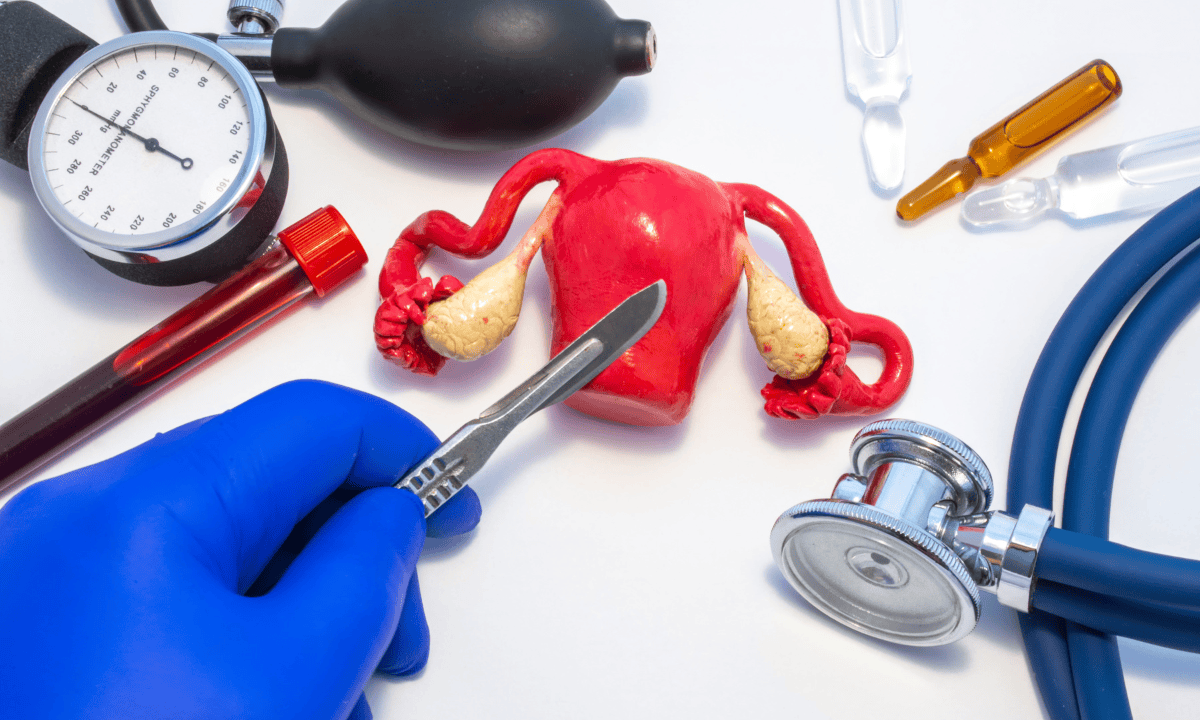
If you have been told you need a hysterectomy, you’re probably dealing with a condition that has already affected your quality of life, sometimes for years.
This surgery is usually recommended when other treatments haven’t worked or when they’re not the right fit for your situation.
Common reasons include:
Chronic heavy or abnormal uterine bleeding
Endometriosis or adenomyosis
Chronic pelvic pain
Uterine prolapse
Gynaecologic cancers (uterine, cervical, ovarian)
Severe infection or obstetric complications
It's worth knowing that the condition you're treating can influence how urgently the surgery is needed, which surgical approach is most suitable, and whether keeping the cervix is an option. Understanding why you need a hysterectomy is the first step towards making a decision that's right for you.
If you have been advised to undergo a hysterectomy and want to understand your options, schedule an appointment with Thomson Medical. Our specialist will walk you through what to expect and help you decide on the approach that suits your health needs.
Who should consider keeping the cervix?
Whether this is an option for you depends largely on your medical history and the reason for your surgery.
It may be suitable if you:
Have no history of cervical cancer or precancerous cervical changes
Have had consistently normal Pap smear results
Are undergoing a hysterectomy for a benign (non-cancerous) condition
Want to preserve pelvic support or are concerned about sexual function
Prefer a potentially faster recovery
Keeping the cervix is not suitable if you have cervical cancer, high-grade cervical dysplasia, or unexplained abnormal bleeding. In these cases, a total hysterectomy ensures the source of the problem is addressed.
In practice, this decision often comes down to balancing your cervical health history against your priorities for recovery and sexual function. Your doctor can assess which factors apply most to your situation.
What are the benefits of keeping the cervix?
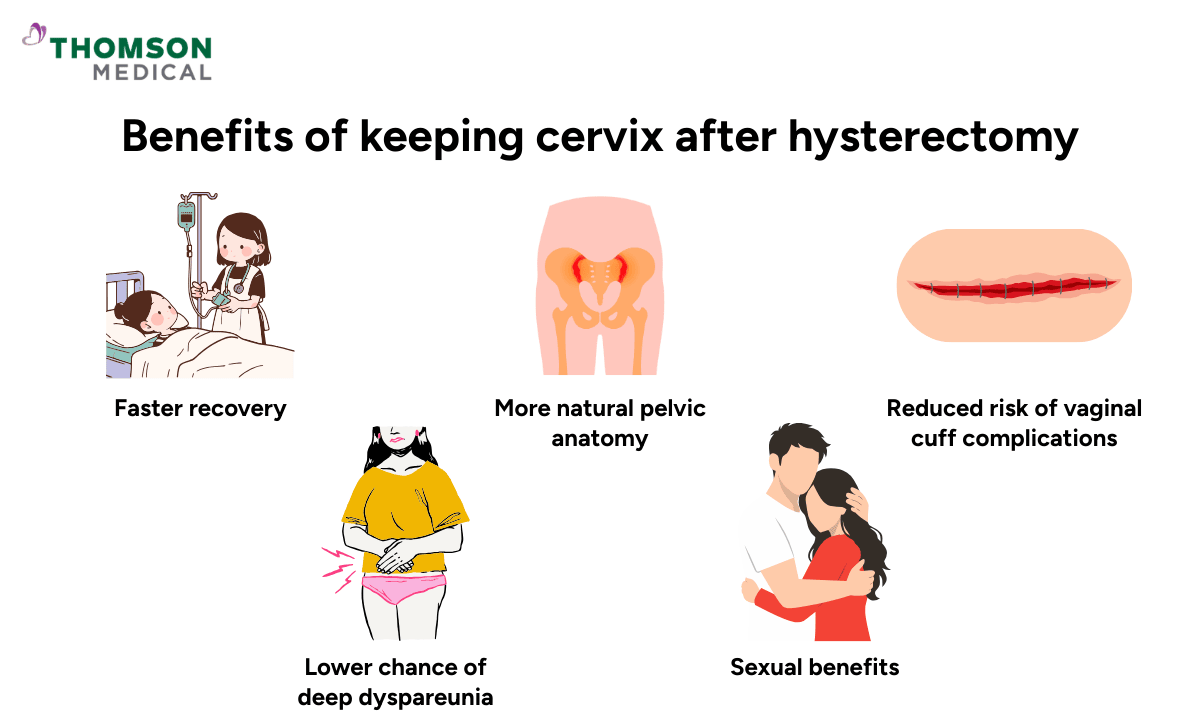
The benefits vary from person to person, but many women find the impact is meaningful, both physically and personally. Knowing what keeping your cervix may mean for your recovery, your body, and your overall wellbeing can help you have a more confident conversation with your doctor.
Faster recovery
One of the most practical reasons many women choose to keep their cervix is the potential for smoother and quicker recovery.
Because a subtotal hysterectomy is less extensive than a total hysterectomy, the surgery is shorter and involves less surgical disruption. This means your body has less to heal from.
Many women who have a subtotal hysterectomy find they can return to light activities within 2 to 4 weeks, compared to 4 to 6 weeks for a total hysterectomy. Recovery timelines vary depending on your overall health, the surgical approach used, and how your body heals, but the difference can be noticeable.
More natural pelvic anatomy
The cervix does more than many people realise. It acts as a structural anchor in your pelvic floor, helping to keep surrounding organs, including the bladder, bowel, and vaginal walls, in their natural position.
Keeping the cervix also helps maintain the natural length and angle of the vagina, which can matter for both comfort and function. It may also reduce the risk of pelvic organ prolapse over time, though individual factors such as age, previous births, and connective tissue health also play a role.
If you are concerned about bladder control or vaginal support as you age, this structural benefit may matter to you in the long term.
Reduced risk of vaginal cuff complications
When the cervix is removed, the top of the vagina is closed with stitches, creating a vaginal cuff. In some cases, that cuff can become infected, separate, or cause ongoing discomfort.
When you keep your cervix, there’s no vaginal cuff, which means no risk of these complications. If you’re worried about complications or factors that can affect your wound healing, this can offer peace of mind.
Lower risk of pain during intercourse
Pain during intercourse or dyspareunia, is something that many women experience after a total hysterectomy. This can be a source of concern if you want to maintain intimacy and comfort after surgery.
Keeping the cervix may help reduce this risk, as the vaginal length is better preserved, and the surrounding structures remain more intact. While not all women experience this benefit, some women report greater comfort during intercourse compared to those who had their cervix removed.
Sexual well-being
Sexuality is a deeply personal part of life, and it’s natural to think about how a hysterectomy may affect yours.
For some women, the cervix plays a role in sensation during intimacy, and its preservation may contribute to a more fulfilling sexual experience.
There’s also the psychological side. For many women, knowing their anatomy is more intact brings a sense of continuity that can affect how they feel about intimacy.
Sexual outcomes after hysterectomy vary widely between individuals. What you experience may be quite different from someone else’s. If this aspect matters to you, it's worth raising with your gynaecologist so they can discuss what the research shows and what you might expect based on your specific situation.
What to consider before keeping your cervix
Learning about potential considerations after reading about the benefits can feel like a lot to process. These concerns don't affect everyone, but knowing about them helps you make an informed choice.
Here's what to keep in mind:
You’ll still need regular Pap smears:
Because your cervix remains, your risk of cervical cancer doesn’t disappear. Having routine Pap smears helps you spot unusual changes early.
You may notice some light spotting:
In some cases, a small amount of endometrial tissue (tissue from the uterine lining) can remain around the cervix after surgery. This may cause light bleeding or spotting around your period.
Cervical conditions can still develop:
Your cervix can still be affected by infection or other conditions later on.
You may need further treatment:
In some situations, you may need additional procedures involving the cervix after the surgery.
This doesn’t happen to everyone. Your doctor can help you understand your risk based on your health history.
There's no right or wrong answer when it comes to keeping or removing the cervix during a hysterectomy. What matters is that your decision reflects your health needs, your priorities for recovery and function, and what feels right for you moving forwards.
If you have questions or are still thinking through your options, your doctor will help you get the clarity you need to move forward with confidence.
If you have concerns about keeping your cervix or are unsure which type of hysterectomy is right for you, schedule an appointment with Thomson Medical. Our specialist will review your health history and help you weigh your options with clarity and care.
FAQ
Why do some doctors leave the cervix in after a hysterectomy?
To reduce surgical risk and recovery time, preserve pelvic support, and avoid vaginal cuff complications. It may also help maintain sexual function.
The decision is always based on your individual medical history and the reason for the surgery.
What are the disadvantages of removing the cervix?
Removing the cervix creates a vaginal cuff, which carries a small risk ofinfection, separation, or ongoing discomfort.
It may also lead to some vaginal shortening and potential deep pelvic pain during intercourse for some women. Recovery can also take slightly longer.
Do I still need my cervix?
It depends on your health history, cancer risk, and personal priorities. Medically, the cervix isn't essential once childbearing is no longer a goal. But it does contribute to pelvic support and can play a role in sexual sensation.
Is cervix removal always necessary during a hysterectomy?
No. It depends on why you're having the hysterectomy. For benign conditions, there's often a real choice between removing or retaining the cervix. For cancer or certain precancerous conditions, removal is typically recommended to ensure all affected tissue is addressed.
What replaces the cervix after removal?
Nothing physically replaces it. When the cervix is removed, the top of the vagina is closed with stitches, forming a vaginal cuff.
Can the cervix grow back after removal?
No. Once removed, the cervix cannot regenerate. In some cases, scar tissue or granulation tissue can form at the vaginal cuff, but this is not the same as cervical tissue, and your doctor can treat it if it causes any problems.
The information provided is intended for general guidance only and should not be considered medical advice. For personalised recommendations and advice based on your unique situation, please consult a specialist at Thomson Medical. Request an appointment with Thomson Medical today.
For more information, contact us:
Thomson Specialists (Women's Health)
Thomson Women's Clinic (TWC)
- Novena:
6592 6686 (Call), 8611 8986 (WA) - Bukit Batok:
6569 0668 (Call), 8686 3525 (WA) - Choa Chu Kang:
6893 1227 (Call), 8282 1796 (WA) - Jurong:
6262 8588 (Call), 6262 8588 (WA) - Katong (female doctor):
6970 2272 (Call), 8611 9020 (WA) - Punggol:
6243 6843 (Call), 8811 0328 (WA) - Sembawang: 6753 5228
- Sengkang: 6388 8125
- Serangoon (female doctor): 6382 3313
- Tampines: 6857 6266
- Tiong Bahru: 6276 1525
Notice
The range of services may vary between TWC/TS locations. Please contact your preferred branch directly to enquire about the current availability.
Request an Appointment