

If you notice any unusual vaginal discharge, especially if it has been going on for a while, it’s understandable if you feel worried. While many types of vaginal discharge are harmless, certain changes may indicate a more serious condition, such as cervical cancer. Recognising the characteristics of cervical cancer discharge and knowing when to see a doctor can help you identify potential issues early on.
What does cervical cancer discharge look like?
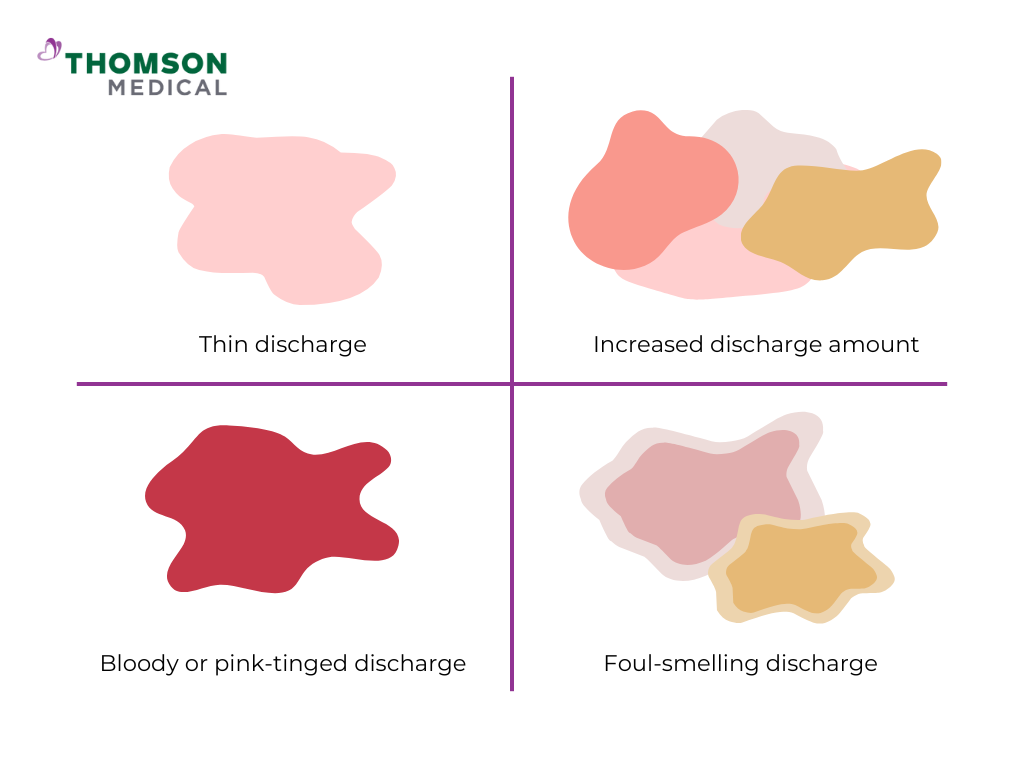
Vaginal discharge is a natural bodily function that can vary in colour, consistency, and quantity throughout your menstrual cycle. However, changes to vaginal discharge can indicate underlying health issues, including cervical cancer and other precancerous conditions.
That said, unusual discharge may also result from less serious conditions. That's why it's important to recognise its specific characteristics, especially if it is accompanied by symptoms such as bleeding or pelvic pain.
Here are some key characteristics of cervical cancer discharge to watch for:
Watery or thin discharge:
In the early stages of cervical cancer, discharge may become more watery or thinner than usual. It’s often clear or light-coloured and may not have a strong smell, but its constant presence could be a warning sign.
Bloody or pink-tinged discharge:
Discharge mixed with blood can appear pink, red, or brown. This type of discharge may happen between normal periods or after sexual activity, which is not normal and should be checked by a doctor.
Foul-smelling discharge:
As cervical cancer develops, the discharge may develop a strong, unpleasant odour. This can happen when cancerous tissues break down and is a serious sign that needs medical attention.
Increased amount of discharge:
If you notice a sudden increase in vaginal discharge that isn’t related to your menstrual cycle and doesn’t go away, it could be a sign of cervical issues.
Causes of cervical cancer discharge
Cervical cancer discharge occurs due to changes in the cervix (the lower part of the womb) caused by cancerous or precancerous conditions. Here are several common causes:
Abnormal cell growth:
Cancerous cells growing on the cervix can cause tissue damage, leading to unusual discharge.
Cervical inflammation:
Chronic inflammation from infections or abnormal cells can trigger discharge.
Tissue breakdown:
In advanced cervical cancer, damaged tissues may break down, causing foul-smelling or bloody discharge.
Tumour-related bleeding:
Tumours can damage nearby blood vessels, leading to bloody or pink-tinged discharge.
Infections:
A weakened cervix due to cancer may be more prone to bacterial infections, causing yellow-green or pus-like discharge.
Hormonal changes:
Cancer or its treatments may affect hormones, altering vaginal discharge.
When should you see a doctor about cervical cancer discharge?
Vaginal discharge is a normal bodily function that helps maintain vaginal health by removing dead cells and bacteria. However, certain changes in discharge can indicate an underlying health issue, including infections or serious conditions like cervical cancer. It’s important to see a healthcare provider if you notice any of the following symptoms:
Persistent or unusually strong odour, colour, or texture:
If your vaginal discharge has a strong, unpleasant odour, changes in colour (such as yellow-green, grey, or bloody), or an unusual consistency (thick, clumpy, or frothy), it could signal an infection, hormonal imbalance, or more serious conditions like cervical abnormalities.
Vaginal bleeding between periods, after sexual intercourse, or post-menopause:
Spotting abnormal bleeding outside of your normal menstrual cycle, especially bleeding after sex or following menopause, should never be ignored. This can be a symptom of cervical inflammation, infection, or even cervical cancer.
Pelvic pain or discomfort:
Persistent pelvic pain, pressure, or cramping not related to your menstrual cycle may indicate an infection, fibroids, or a more serious condition like pelvic inflammatory disease or cervical cancer.
Pain during intercourse (dyspareunia):
Experiencing pain during sex can be a warning sign of cervical irritation, vaginal dryness, or more concerning conditions like cervical cancer or advanced infections
If you’re concerned about unusual vaginal discharge or experiencing any of the mentioned symptoms above, request an appointment with Thomson Women’s Clinic. Our specialists can provide a thorough evaluation and recommend appropriate screenings for gynaecological cancer to help prevent and detect cervical cancer at its earliest stages.
Our cervical cancer specialist
Loading...
Diagnostic tests for diagnosing cervical cancer
If cervical cancer is suspected due to symptoms like abnormal vaginal discharge, your doctor may perform several diagnostic tests to determine the cause and assess the severity of the condition. Here are the most common diagnostic procedures used:
Pap smear (Pap test):
A Pap smear is a routine screening test that checks for abnormal cells on the cervix. During this test, a healthcare provider gently collects cervical cells using a small brush.
These cells are then examined under a microscope to detect any precancerous or cancerous changes. Regular Pap smears are essential for early detection of cervical abnormalities.
HPV test:
The human papillomavirus (HPV) test checks for the presence of high-risk HPV strains known to cause cervical cancer. This test is often performed alongside a Pap smear, especially in women over 30 or those with abnormal Pap results. Identifying HPV early can help prevent the development of cervical cancer.
Colposcopy:
If a Pap smear or HPV test shows abnormal results, a colposcopy may be recommended. This procedure involves using a special magnifying device called a colposcope to closely examine the cervix, vagina, and vulva for any suspicious areas.
It allows the healthcare provider to detect abnormal tissue that may not be visible during a routine exam.
Cervical biopsy:
If abnormal areas are detected during a colposcopy, the doctor may perform a cervical biopsy. This involves taking a small tissue sample from the cervix for detailed analysis in a laboratory. A biopsy is the most definitive way to confirm or rule out cervical cancer.
Thomson Medical's 4-in-1 women screening
To help prevent cervical cancer, early detection is important, as symptoms may not appear until advanced stages. A regular screening can help identify abnormal changes and potential warning signs before they progress. To help prevent these conditions, we offer a 4-in-1 women's screening package, which includes:
Consultation & examination
Pap smear
An additional HPV vaccination is also available as an extra protective measure against cervical cancer.
Cervical cancer treatment cost in Singapore
The cost of cervical cancer screening and treatment in Singapore can vary depending on the type of test, subsidies available, and whether the procedure is done on an outpatient or inpatient basis.
A Pap smear typically costs between SGD 50 and SGD 300, depending on the clinic and whether it is part of a package.
A standalone HPV test costs around SGD 200 without any subsidies if done as a walk-in.
An HPV test combined with a Pap smear is usually about SGD 250 without subsidies for walk-in patients.
The cost of a colposcopy ranges from about SGD 1,200 to SGD 10,400, depending on whether it is done as a day surgery or inpatient procedure.
However, other than the primary screening costs, there may be additional costs for:
Imaging studies such as CT scans, MRI scans, or PET scans
Laboratory tests and blood work
Medications for managing side effects
How does insurance work for cervical cancer treatment?
Many patients are concerned about how much of their treatment will be covered by insurance. In Singapore, several schemes can help ease the financial burden.
Doctor's fees:
Each specialist has their own panel of insurance providers and coverage arrangements
Procedures and scans:
Some procedures like diagnostic imaging or certain surgical techniques, may be subsidised by the Singapore government or covered under MediShield Life
Overall treatment costs:
Your total out-of-pocket expenses will depend on how your insurance plan covers both the doctor's professional fees and the hospital/procedure costs
Fortunately, there are several programmes in Singapore that can help lower the total cost, such as MediSave, MediShield Life, and Integrated Shield Plans. Each of these offers different levels of coverage depending on your eligibility and insurance arrangements.
For current pricing, detailed insurance coverage information, and personalised financial guidance, contact our medical concierge team.

FAQ
Is abnormal vaginal discharge always a sign of cervical cancer?
No, abnormal vaginal discharge isn’t always a sign of cervical cancer. It can be caused by common conditions such as bacterial vaginosis, yeast infections, hormonal changes, or sexually transmitted infections (STIs).
However, if the discharge is persistent, has an unusual colour, smell, or texture, or comes with other symptoms like vaginal bleeding or pelvic pain, it’s important to see a healthcare provider for evaluation. Early detection can help identify serious issues, including early-stage cervical cancer.
Is discharge an early sign of cervical cancer?
In the early stages, cervical cancer may not cause noticeable symptoms. However, one of the early warning signs can be an increase in watery discharge or light spotting between periods. As the cancer progresses, the discharge may become more persistent, contain blood, or develop a foul odour.
Can cervical cancer cause foul-smelling discharge?
Yes, foul-smelling vaginal discharge can occur in advanced stages of cervical cancer due to tissue breakdown or infection. A strong, unpleasant odour is often a serious warning sign that requires immediate medical attention.
Can cervical cancer discharge be treated?
Managing abnormal discharge caused by cervical cancer involves treating the cancer itself. Depending on the stage, treatment options may include surgery, radiation therapy, chemotherapy, or a combination of these. Early diagnosis increases the chances of successful treatment and symptom control.
How can you tell if your discharge is abnormal?
Vaginal discharge is considered abnormal if it changes colour (pink, brown, or green), has a strong or unpleasant odour, or is accompanied by symptoms like itching, burning, pelvic pain, or bleeding. If these changes persist or worsen, consult your healthcare provider for an evaluation.
Can cervical infections cause discharge similar to cervical cancer?
Yes, infections such as bacterial vaginosis, yeast infections, or sexually transmitted infections (STIs) can cause abnormal vaginal discharge that may resemble cervical cancer discharge.
However, infections are usually accompanied by other common symptoms like itching, burning, or vaginal discomfort. It’s important to get any unusual discharge checked to rule out serious conditions.
Does discharge continue after cervical cancer treatment?
Yes, vaginal discharge may continue temporarily after cervical cancer treatment, especially following procedures like surgery, radiation therapy, or chemotherapy. This is often due to your body’s healing process. The discharge may be watery, light pink, or have a mild odour, depending on the type of treatment received.
However, as the body recovers, the discharge typically lessens and eventually stops. Persistent or foul-smelling discharge after treatment could signal an infection or complications, so regular follow-up appointments are essential to monitor recovery and address any concerns early.
The information provided is intended for general guidance only and shouldn’t be considered medical advice. For personalised recommendations and tailored advice, request an appointment with Thomson Women’s Clinic today.
For more information, contact us:
Thomson Specialists (Women's Health)
Thomson Women's Clinic (TWC)
- Novena:
6592 6686 (Call), 8611 8986 (WA) - Bukit Batok:
6569 0668 (Call), 8686 3525 (WA) - Choa Chu Kang:
6893 1227 (Call), 8282 1796 (WA) Jurong:
6262 8588 (Call), 6262 8588 (WA)- Katong (female doctor):
6970 2272 (Call), 8611 9020 (WA) - Punggol:
6243 6843 (Call), 8811 0328 (WA) - Sembawang: 6753 5228
- Sengkang: 6388 8125
- Serangoon (female doctor): 6382 3313
- Tampines: 6857 6266
- Tiong Bahru: 6276 1525