

Worried that you might have cervical cancer?
It's a scary thought, especially if you've noticed something unusual with your body. Cervical cancer usually develops slowly over many years without obvious symptoms, which is why knowing what to look for matters. While you can't diagnose cervical cancer at home, you can still watch for warning signs and take steps to protect yourself.
What are the signs of cervical cancer?
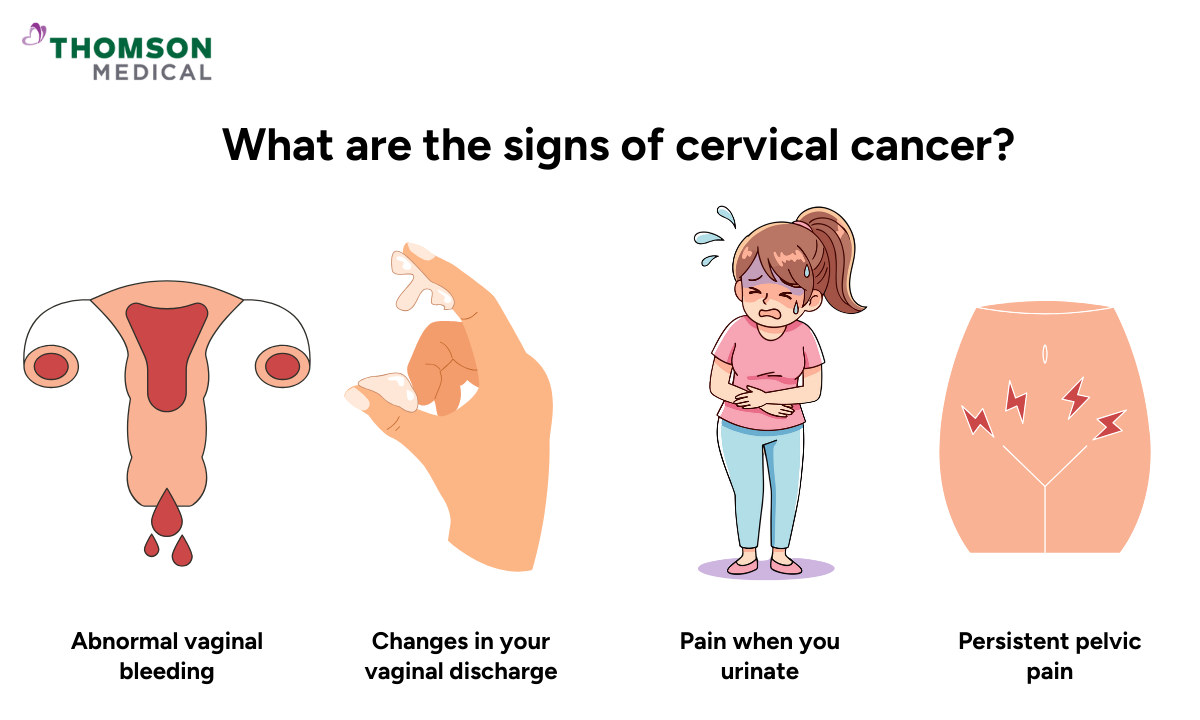
Cervical cancer often develops silently without any noticeable symptoms in the early stages. When signs do appear, you might notice:
Abnormal vaginal bleeding between your periods, after sex, or after menopause
Persistent leg pain or swelling
Pain when you urinate
Changes in your vaginal discharge that becomes watery, bloody, or has an unusual smell
Persistent pelvic pain or discomfort
These symptoms can point to different conditions, not just cervical cancer. If you're experiencing any of them, it's worth getting checked with your doctor.
Our cervical cancer specialists
Loading...
Can you actually detect cervical cancer at home?
The short answer is no. Only medical tests done by your doctor or healthcare professionals can confirm whether you have cervical cancer. These tests include a Pap test, an HPV test done at a clinic, or procedures where your doctor examines your cervix directly.
However, you can still use an at-home test kit to check for human papillomavirus (HPV). HPV is a virus that causes most cervical cancers. This test doesn’t tell you if you have cancer directly but instead confirms if you have the virus that could lead to cancer in the future. If your test is positive, you'll need to see a doctor for further checks.
What are the benefits of an at-home cervical test?
Home HPV tests offer you a convenient and private option if you find it difficult to attend appointments in person. They're helpful if you feel anxious about pelvic exams or if you missed your routine screening.
The main benefit is early detection. If you find out you have high-risk HPV, you can take action before any abnormal cells have a chance to develop. This gives you time to get proper follow-up care and monitoring.
How do you screen yourself at home?
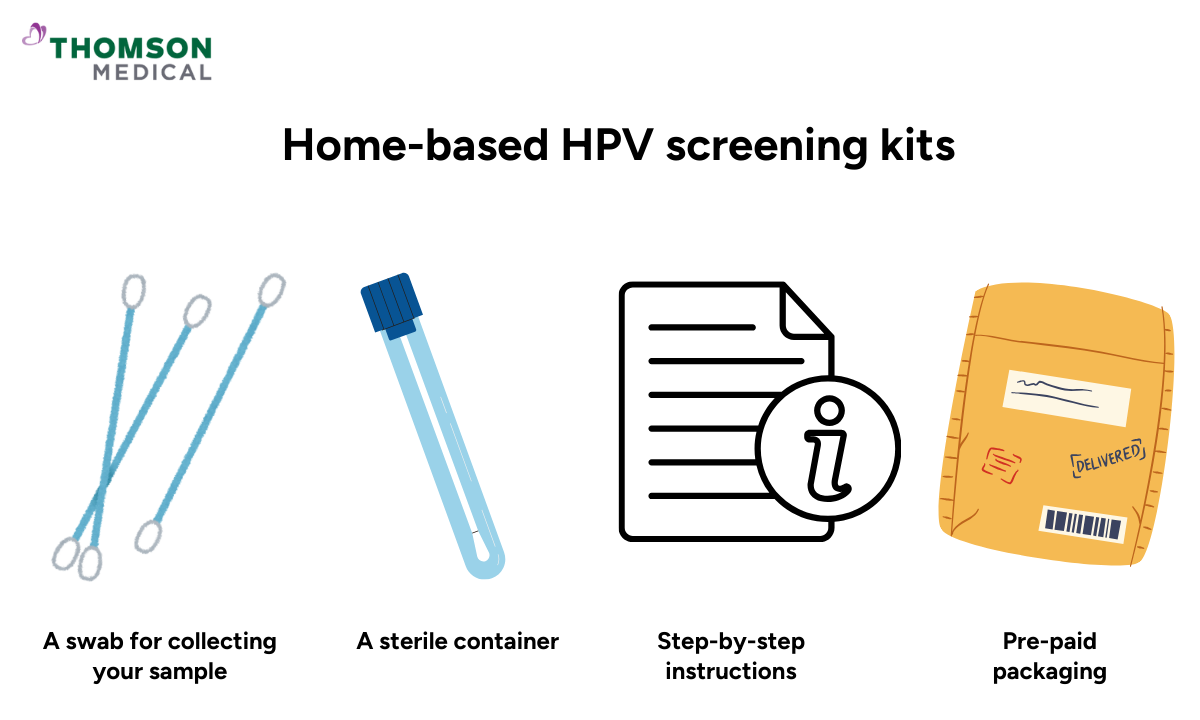
If you've decided to try home screening, it helps to know what's involved and how the whole process works.
Home-based HPV screening kits
When you order a home-based HPV screening kit, it'll arrive with everything you need:
A swab or brush for collecting your sample
A sterile container to store your sample
Step-by-step instructions to guide you through the collection process
Prepaid packaging to return your sample to a certified lab
How the testing process works
Using a home HPV kit is straightforward. Here's how it works:
Collect your sample:
You'll gently insert the swab into your vagina and rotate it to collect cells from the cervical area.
Secure and return your sample:
Place the swab into the container provided and post it back to the laboratory using the prepaid packaging included in your kit.
Laboratory analysis:
Lab technicians will test your sample for high-risk HPV.
Receiving your results:
You'll usually receive your results digitally within a few weeks.
If your result comes back negative, that means you have a low risk of developing cervical cancer in the near future. However, a positive result doesn't mean you have cancer. It means you need further testing at a clinic to check for any cell changes.
Home screening is only the first step. If your result comes back positive, request an appointment with Thomson Medical for confirmatory tests and medical advice.
Are home HPV tests as accurate as clinic tests?
Home HPV tests are reliable when you follow the instructions carefully. They can be nearly as effective as clinic tests for detecting high-risk HPV. However, there are some important differences:
Home HPV test | Clinic test |
Collects cells from your vagina | Collects cells directly from your cervix |
Only tests for high-risk HPV | Can test for HPV and check for abnormal cells (Pap smear) |
Done in private at home | Done by a trained healthcare professional |
Good for HPV screening | Can detect cell changes and abnormalities |
Home tests are a helpful screening tool and give you a convenient way to check your HPV status. However, they can't replace a full examination at the clinic. A Pap smear can spot abnormal cells that an HPV test might miss.
What can you do to reduce your risk?
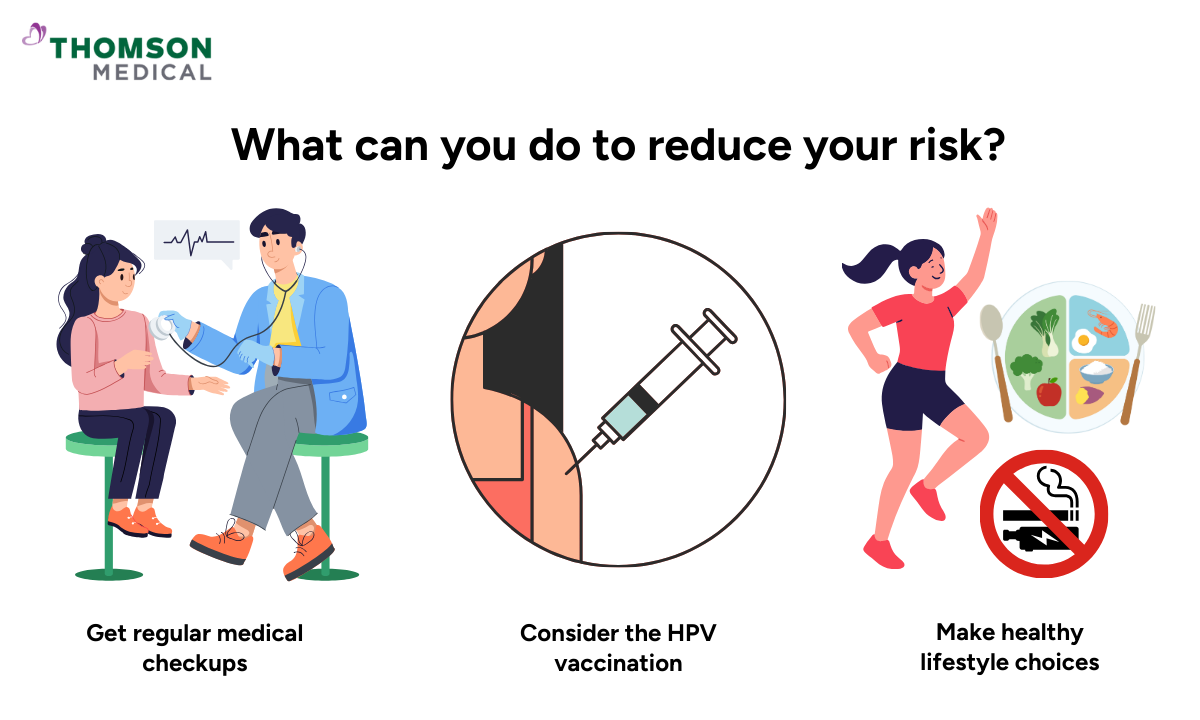
There are several steps you can take to protect yourself from cervical cancer.
Get regular medical checkups
Regular cervical screening is one of the best ways to detect the cancer early. These tests can find abnormal cells or high-risk HPV long before you feel any symptoms. Depending on your age and health history, you might need a Pap test, an HPV test, or both.
Consider the HPV vaccination
If you haven't already, consider getting the HPV vaccine. It protects you against the main types of HPV that cause most cervical cancers. It’s recommended if you get it before you become sexually active, but it can still help you if you get it later.
Even if you've had the vaccine, you still need regular screening. The vaccine doesn't cover all HPV types, so screening remains important.
Make healthy lifestyle choices
Certain lifestyle factors may influence your body's ability to manage HPV infection and maintain cervical health:
Don't smoke, as it weakens your body's ability to fight off HPV
Use condoms during sexual intimacy
Limit your number of sexual partners
Eat a balanced diet and exercise regularly to keep your immune system strong
Lifestyle changes won't eliminate your risk completely, but they do help protect your cervical health overall.
If you’re unsure when your next screening is due or have questions about the HPV vaccine, request an appointment at Thomson Medical. Our specialists can assess your needs and advise you on the most appropriate next steps.
FAQ
Can I check for cervical cancer symptoms at home without medical tools?
You can watch for symptoms, but you cannot diagnose cervical cancer at home. Cervical cancer often doesn’t have any obvious symptoms early on, and when symptoms do appear, they can easily be mistaken for other conditions. That’s why only proper clinic screening can tell you whether your symptoms are related to cervical cancer.
What should I do if I notice unusual symptoms?
Get checked if you notice unexpected vaginal bleeding, unusual discharge, pelvic pain, or discomfort during sex. Even if you've mild symptoms that come and go, they shouldn't be ignored. Your doctor can run the right tests and provide treatment if needed.
Can lifestyle changes help in cervical cancer prevention?
Yes. Lifestyle changes can reduce your risk. Avoiding tobacco is especially important, as smoking weakens your immune system. Practising safer sex, eating a balanced diet, and exercising regularly all support better cervical health.
How long does it take for cervical cancer to develop?
Cervical cancer develops slowly in most cases. It can take ten years or more for high-risk HPV to cause cell changes that turn into cancer. This gives your doctor time to detect abnormal cells early and treat them before they become serious. Regular screening is important for this reason.
How often should I get screened for cervical cancer?
Your screening schedule depends on your age and the test type. If you're aged 21 to 29, you'll likely need a Pap test every three years. From age 30 to 65, screening may involve an HPV test, a Pap test, or both, usually every three to five years. Your doctor can advise what schedule suits you.
Are home HPV tests accurate?
Home HPV tests are reliable for detecting high-risk HPV. You should follow the instructions carefully for accurate results. Studies show self-collected samples can be nearly as effective as those collected by clinicians. You should choose a reliable kit and follow each step properly.
Is it as accurate as a test done by my doctor?
A home HPV test can be nearly as accurate as one done at clinics. The difference is that your doctor at the clinic collects samples from your cervix, while home tests collect cells by yourself from your vagina. This means your doctor may catch things that a home test misses. Home tests are helpful for HPV screening but cannot replace a full clinic examination.
The information is intended for general guidance only and should not be considered medical advice. For personalised recommendations and advice based on your unique situation, please consult a specialist at Thomson Medical. Request an appointment with Thomson Medical today.
Reference:
Parapob, N., Lekawanvijit, S., Tongsong, T., Charoenkwan, K., & Tantipalakorn, C. (2024). A comparative study of self-collected versus clinician-collected specimens in detecting high-risk HPV infection: a prospective cross-sectional study. Obstetrics & Gynecology Science, 67(6), 557–564. https://doi.org/10.5468/ogs.24117
For more information, contact us:
Thomson Specialists (Women's Health)
Thomson Women's Clinic (TWC)
- Novena:
6592 6686 (Call), 8611 8986 (WA) - Bukit Batok:
6569 0668 (Call), 8686 3525 (WA) - Choa Chu Kang:
6893 1227 (Call), 8282 1796 (WA) Jurong:
6262 8588 (Call), 6262 8588 (WA)- Katong (female doctor):
6970 2272 (Call), 8611 9020 (WA) - Punggol:
6243 6843 (Call), 8811 0328 (WA) - Sembawang: 6753 5228
- Sengkang: 6388 8125
- Serangoon (female doctor): 6382 3313
- Tampines: 6857 6266
- Tiong Bahru: 6276 1525