

Endometriosis and endometrial cancer may sound alike as both involve endometrial tissue, the lining of the womb, which is why the two are often confused. They are, however, separate conditions. Endometriosis is a common benign condition in which tissue similar to the womb lining grows outside the uterus. Endometrial cancer is a malignant growth that begins in the lining itself.
They may also overlap in how they present. Pelvic pain and abnormal bleeding appear in both, so here’s how the two conditions differ in their causes, risk factors, symptoms, diagnosis, and treatment.
What is endometriosis?
Endometriosis is a non-cancerous condition where tissue similar to the lining of the uterus (the endometrium) grows outside the uterus (womb). This tissue commonly develops on the ovaries, fallopian tubes, the outer surface of the uterus, and other areas within the pelvis. Although not cancerous, endometriosis is a chronic inflammatory condition that may cause persistent pain and other symptoms.
During a menstrual cycle, this tissue responds to hormones and could become inflamed or bleed, similar to the endometrium. However, because this tissue is located outside of the womb, the blood and inflammation cannot leave the body normally, which may lead to irritation, pain, and scar tissue formation over time.
What is endometrial cancer?
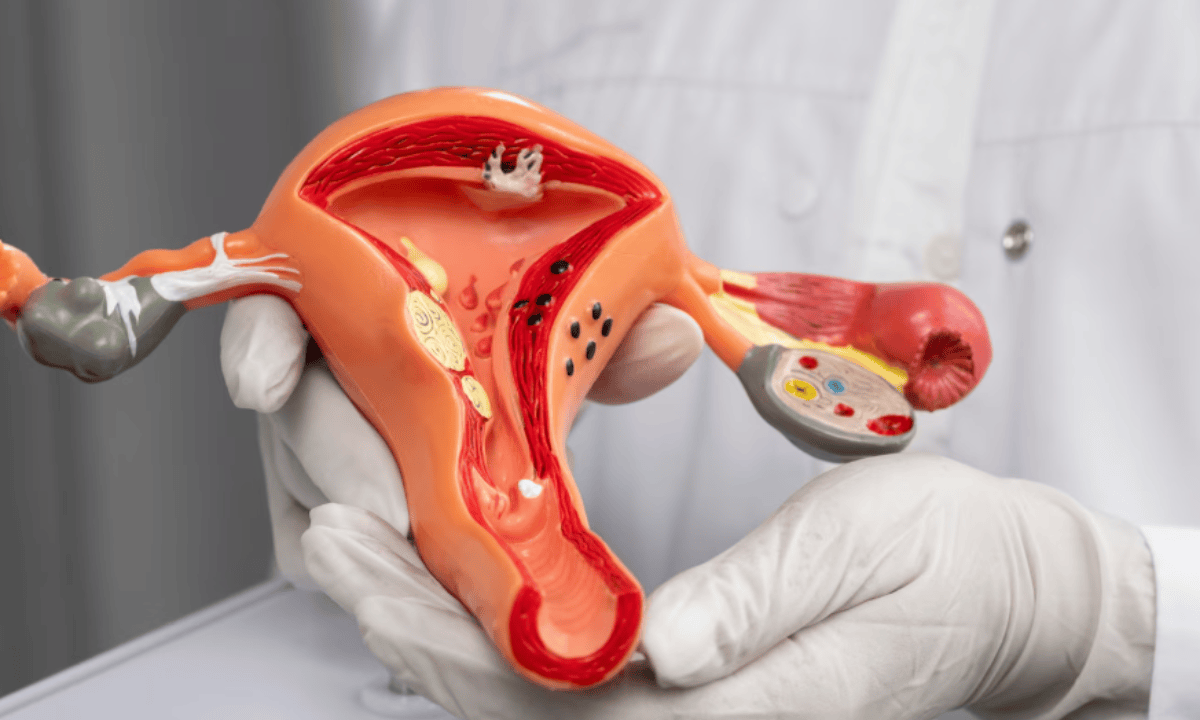
Endometrial cancer is a type of gynaecological cancer that develops in the inner lining of the womb. It is one of the most common gynaecological cancers and typically occurs after menopause, though it may also affect younger women.
Although this cancer is often referred to as uterus or uterine cancer, the two terms are not exactly the same. Uterus cancer is a broader term that describes cancers originating in the uterus, including endometrial cancer and the much rarer uterine sarcoma, which develops in the muscle or supporting tissues of the uterus.
Differences between endometriosis and endometrial cancer
Endometriosis and endometrial cancer are two different conditions that could sometimes be confused. The table below outlines the key differences between endometriosis and endometrial cancer, including their risk factors and symptoms.
| Endometriosis | Endometrial cancer | |
|---|---|---|
Risk factors | Endometriosis usually develops during the reproductive years and is commonly diagnosed in women during their 20s and 30s. Factors that may increase the risk include:
| Endometrial cancer is more common after menopause, with the average age of diagnosis around 60. Factors that may increase the risk include:
|
Symptoms | Endometriosis symptoms are often related to inflammation and scar tissue formation, which include the following:
| Endometrial cancer symptoms include:
|
If you have any of the risk factors mentioned above or are experiencing the associated symptoms, you may consider consulting a doctor for an assessment. Schedule an appointment with Thomson Medical.
Our gynaecological oncologist specialist
Loading...
How are endometriosis and endometrial cancer diagnosed?
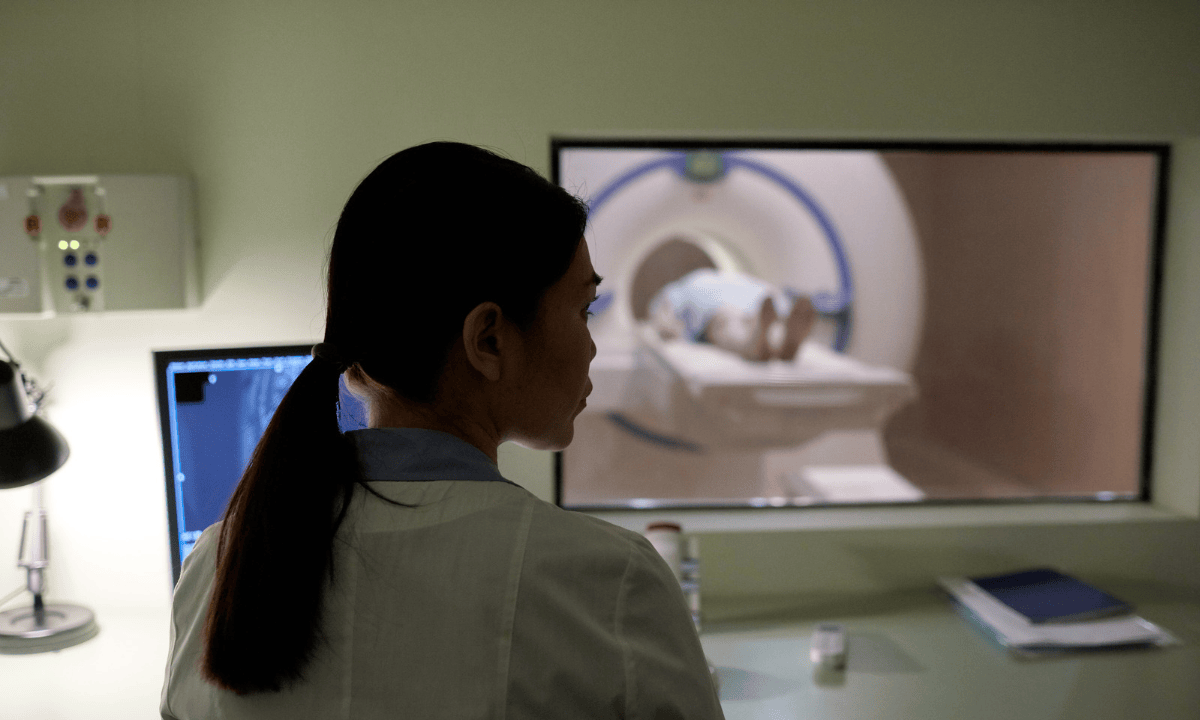
Although endometriosis and endometrial cancer are different conditions, they share some of the same initial diagnostic approaches. One of the common diagnostic methods used for both conditions is a pelvic examination.
During the examination, your doctor will assess the uterus, cervix, ovaries, and surrounding pelvic organs for any unusual changes, such as tenderness, cysts, lumps, or swelling, that may indicate an underlying gynaecological condition.
Imaging tests are also commonly used for both conditions. Ultrasound or magnetic resonance imaging (MRI) may help identify ovarian endometriosis cysts (endometriomas) or areas of deep endometriosis. For endometrial cancer, imaging tests such as ultrasound, CT scan, MRI, PET scan, or chest X-rays may be recommended to assess the size and location of the tumour and determine whether the cancer has spread beyond the uterus.
While these initial assessments are similar, the tests used to confirm the diagnosis are different because endometriosis and endometrial cancer develop in different ways. The sections below explain the diagnostic methods that are unique to each condition.
Diagnosing endometriosis
Identifying endometriosis may require several steps, as its symptoms may vary between women and may resemble other conditions. Your doctor may use a combination of the following approaches:
Medical history and symptom assessment:
Your doctor will ask about your symptoms, including pelvic pain, painful periods, pain during sexual intercourse, or other issues with menstruation.
Laparoscopy:
A laparoscopy is a minimally invasive surgical procedure where a small camera is inserted through a small incision in the abdomen to examine the pelvic organs.
During the procedure, your doctor may take a tissue sample (biopsy) for laboratory analysis. This allows endometriosis to be confirmed more accurately.
Diagnosing endometrial cancer
Common tests used to diagnose endometrial cancer include:
Transvaginal ultrasound:
During a transvaginal ultrasound, your doctor gently inserts an ultrasound probe into the vagina to create detailed images of the uterus.
This procedure helps assess the thickness of the endometrium and identify any areas that may need further investigation.
Endometrial biopsy:
Endometrial biopsy is the main test used to confirm endometrial cancer. Your doctor takes a small sample of tissue from the lining of the uterus through the cervix and examines it under a microscope for cancer cells.
Dilation and curettage (D&C):
If an endometrial biopsy does not provide enough tissue or the diagnosis remains unclear, your doctor may recommend a D&C.
This procedure involves gently widening the cervix to collect tissue from the lining of the uterus for further examination.
Hysteroscopy:
During a hysteroscopy, your doctor passes a thin, lighted instrument called a hysteroscope through the vagina and cervix to look directly inside the uterus.
If they find an abnormal area, they may take a small tissue sample for testing. In some cases, hysteroscopy is performed together with a dilation and curettage (D&C) procedure.
Treatment options
The treatment approach for endometriosis and endometrial cancer varies because these conditions have different causes and effects on the body.
For endometriosis
Treatment for endometriosis focuses on managing symptoms, controlling tissue growth, and improving quality of life, with the approach depending on symptom severity and fertility goals.
Pain relief medications:
Pain relievers, such as non-steroidal anti-inflammatory drugs (NSAIDs), may be used to help manage symptoms such as pelvic pain and painful periods.
In some cases, your doctor may recommend prescription medications if over-the-counter options are not sufficient.
Hormonal therapy:
Hormonal treatments could help reduce the activity and growth of endometrial-like tissue by regulating or suppressing hormonal changes during the menstrual cycle.
Options may include birth control pills, progestin therapy, or gonadotropin-releasing hormone (GnRH) agonists.
Surgical treatment:
Surgery may be considered for people with severe symptoms, extensive endometriosis, or difficulty conceiving.
A common approach is laparoscopic surgery, where a small camera and surgical instruments are inserted through small abdominal incisions to remove or destroy endometriosis tissue.
For endometrial cancer
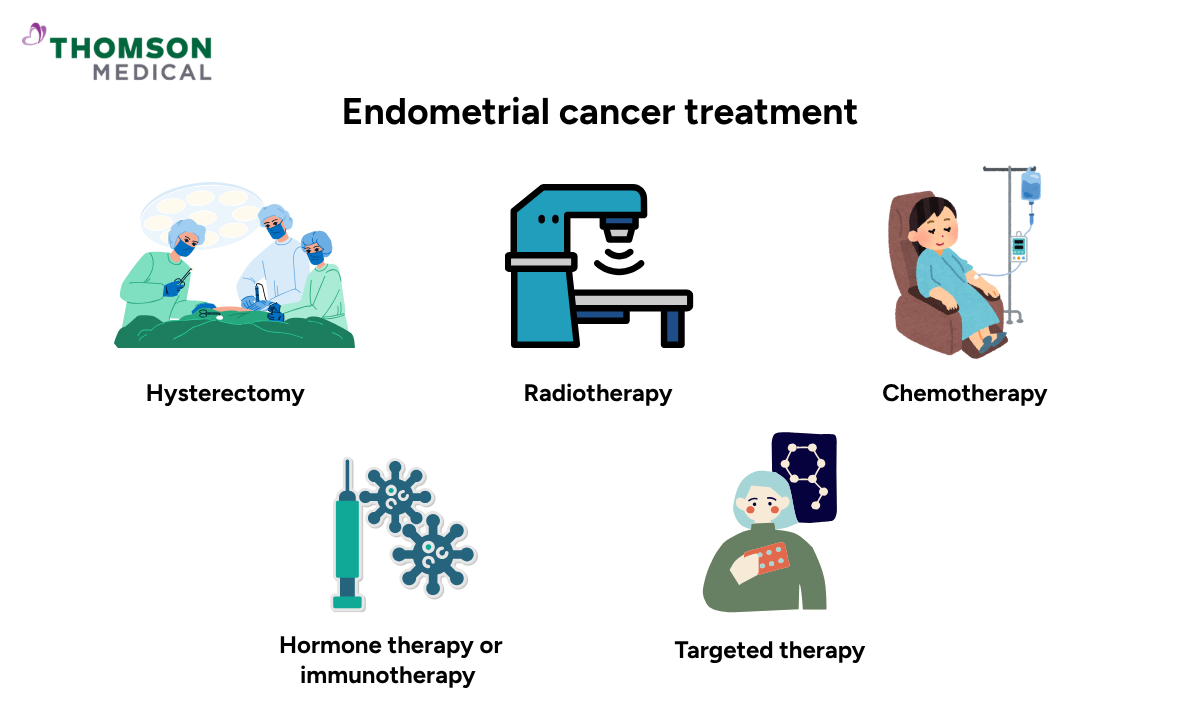
Treatment for endometrial cancer depends mainly on the stage, type, and characteristics of the cancer, as well as your overall health. Treatment options may include:
Hysterectomy:
Hysterectomy is the main surgical treatment for endometrial cancer, especially when the cancer is diagnosed at an early stage and remains within the uterus.
The primary aims of surgery are to remove the cancer and to assess whether it has spread (metastasised) to nearby tissues or lymph nodes.
Radiotherapy:
Radiotherapy is a cancer treatment that utilises high‑energy radiation to destroy cancer cells, reduce the risk of the cancer recurring, or control cancer in specific areas such as the pelvis or vaginal vault (the upper part of the vagina that surrounds the cervix).
Chemotherapy:
Anti‑cancer medicines that travel through the bloodstream to destroy cancer cells that may have spread beyond the uterus or to treat higher‑risk or recurrent cases.
Hormone therapy:
Hormone therapy may be suitable for certain endometrial cancers that respond to hormones.
It can provide a temporary alternative to hysterectomy for women who wish to preserve their fertility.
Immunotherapy:
This treatment works by helping the immune system recognise and attack cancer cells. This treatment may be recommended for some patients with advanced, recurrent, or metastatic endometrial cancer.
Targeted therapy:
This treatment uses medicines that target specific genes that enable cancer cells to grow and survive.
These drugs are usually offered to selected patients with advanced or recurrent disease, often in combination with other cancer treatments.
For higher or advanced stages of endometrial cancer, treatment is often more complex. It typically involves a combination of surgery, radiotherapy, chemotherapy, hormone therapy, or newer options such as immunotherapy or targeted therapy.
If you are unsure which treatment may be suitable for your condition, consult with a specialist to help you make a more informed decision about your care. Schedule an appointment with Thomson Medical.
What is the potential complication of each condition?
Although endometriosis and endometrial cancer are different conditions, both can lead to complications that may affect your health and quality of life. The type of complications depends on how the condition develops and affects the surrounding tissues.
Complications of endometriosis
Endometriosis may cause ongoing symptoms and complications if the abnormal tissue growth leads to inflammation, scarring, or changes in the pelvic organs. Possible complications include:
Chronic pelvic pain, which may affect daily activities, emotional well-being, and overall quality of life.
Difficulty conceiving due to inflammation, scar tissue (adhesions), or changes around the reproductive organs that may affect fertility.
Formation of ovarian cysts, which may cause pelvic pain and affect ovarian function in some cases.
Complications of endometrial cancer
When diagnosed and treated at an early stage, endometrial cancer generally responds well to treatment. However, if left untreated or diagnosed at a more advanced stage, complications may occur, including:
Spread of the cancer to nearby organs or distant metastasis to other parts of the body.
Anaemia, which may develop due to prolonged or heavy vaginal bleeding.
How to prevent endometriosis and endometrial cancer?
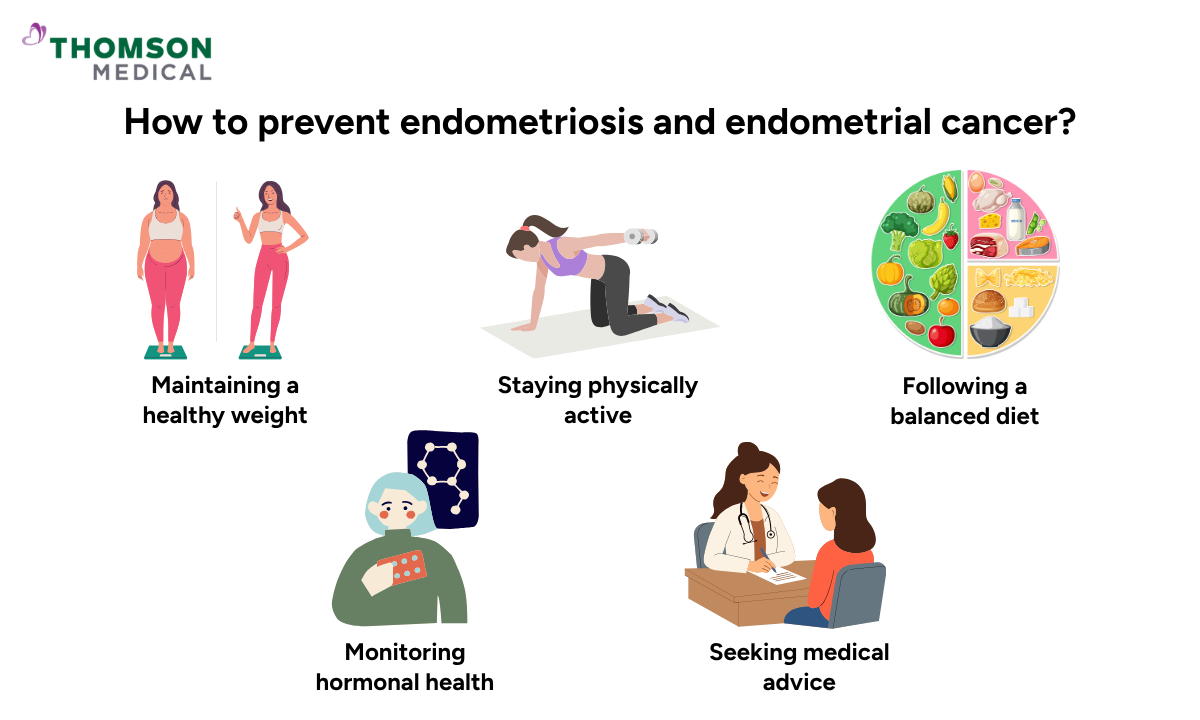
There is currently no guaranteed way to prevent endometriosis or endometrial cancer completely. However, maintaining a healthy lifestyle and being aware of changes in your body may help reduce certain risk factors and support early detection.
Some steps that may help include:
Maintaining a healthy weight, as excess body weight may affect hormone levels, particularly oestrogen, which may influence endometrial cancer risk and overall hormonal balance.
Staying physically active, as regular exercise could support overall health, help maintain a healthy weight, and may help reduce inflammation in the body.
Following a balanced diet, including a variety of fruits, vegetables, whole grains, and nutrient-rich foods.
Monitoring hormonal health, especially if you have symptoms such as irregular periods, heavy menstrual bleeding, or conditions such as PMOS.
Seeking medical advice for unusual symptoms, as early assessment may help identify conditions that may require further evaluation.
FAQ
Can you have both endometriosis and endometrial cancer at the same time?
Yes, it is possible to have both endometriosis and endometrial cancer, although having both conditions is uncommon. Endometriosis occurs when tissue similar to the lining of the uterus grows outside the uterus, while endometrial cancer develops when abnormal cells in the lining of the uterus grow uncontrollably.
Can endometrial cancer be misdiagnosed as endometriosis?
In some cases, endometrial cancer may initially be mistaken for other gynaecological conditions because symptoms such as pelvic pain or abnormal bleeding can overlap. However, proper diagnostic tests, including imaging and a biopsy of the uterine lining, are needed to confirm whether symptoms are caused by endometriosis, endometrial cancer, or another condition.
Can endometriosis turn into cancer?
No, endometriosis does not typically develop into endometrial cancer. Endometriosis is a non-cancerous condition where tissue similar to the uterine lining grows outside the uterus.
While some studies have found a possible association between endometriosis and certain rare types of ovarian cancer, the overall risk remains low, and most people with endometriosis do not develop cancer.
Does endometriosis increase the risk of developing endometrial cancer?
Current research does not show that endometriosis significantly increases the risk of developing endometrial cancer. Although both conditions involve tissues related to the reproductive system, they develop differently.
If you have endometriosis, it is still important to attend regular health check-ups and discuss any new or unusual symptoms with your doctor.
The information provided is intended for general guidance only and should not be considered medical advice. For personalised recommendations and advice based on your individual circumstances, schedule an appointment with Thomson Medical.
For more information, contact us:
Thomson Medical Concierge
- 8.30am - 5.30pm
- WhatsApp: 9147 2051
Need help finding the right specialist or booking for a group?
Our Medical Concierge is here to help you. Simply fill in our form, and we'll check and connect you with the right specialist promptly.
Notice:
The range of services may vary between Thomson clinic locations. Please contact your preferred branch directly to enquire about the current availability.
Get In Touch