

Hearing about HPV or receiving test results can bring up many questions and concerns. It is natural to want clear, trustworthy information about how HPV relates to cervical cancer and what it means for your health.
Learning more about this connection can help you feel more confident about screening, vaccination, and the steps you can take to protect yourself.
What is HPV?
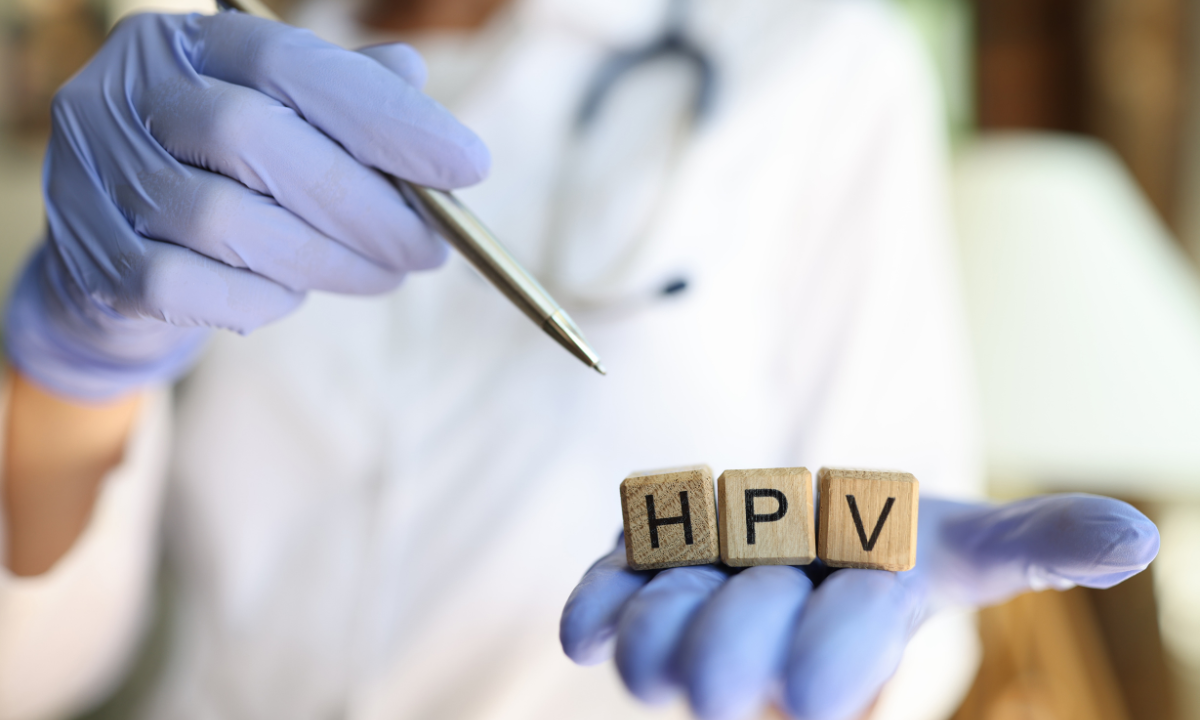
Human papillomavirus (HPV) is a group of more than 200 related viruses. Some types affect the skin and may cause common warts, while others can affect the genital area.
Doctors classify HPV into two medical categories:
Low-risk types (such as HPV 6 and 11):
Generally harmless and cannot cause cancer
Can sometimes cause genital warts, which are small, treatable growths
High-risk types (particularly HPV 16 and 18):
Can lead to cervical cancer and other cancers (anal, oral, penile, vulvar)
Can also cause precancerous changes that can be detected and treated early
HPV is one of the most common sexually transmitted infections (STIs) worldwide, and most adults will encounter at least one type at some point in life.
What is cervical cancer?
Cervical cancer begins in the cervix, the lower part of the uterus that opens to the vagina. It usually develops very slowly over many years, starting with abnormal cell changes that, if left untreated, can evolve into cancer.
The slow nature of this progression is the reason why you should take regular screening seriously and stay consistent with recommended screening tests.
Cervical cancer often shows no early symptoms. You should check with your doctor if you notice:
You have unusual vaginal bleeding (after sex, between periods, or after menopause)
Your pelvic area hurts
You experience discomfort during sexual intercourse
You develop unusual vaginal discharge
If you notice any of these, don't hesitate to request an appointment at Thomson Medical today. Our healthcare team can assess your concerns, including offering HPV testing and guide you on the most suitable follow-up plan based on your individual risk profile.
What is the link between HPV and cervical cancer?
The connection between HPV and cervical cancer is very clear. In fact, almost all cases of cervical cancer (around 99.7%) are linked to a long-term infection with high-risk HPV.
For most people, HPV causes no lasting problems. However, when a high-risk strain stays in the body for many years, it can slowly disrupt how cervical cells grow and repair themselves. Over time, these changes can lead to abnormal cell growth, known as dysplasia. If left unnoticed and untreated, these abnormal cells may eventually develop into cancer.
The reassuring part is that this process usually happens very slowly, often over 10 to 20 years. This long timeframe means there is plenty of opportunity to spot changes early and take action through regular check-ups and screening.
What are other factors that can influence your risk?

Certain lifestyle and health risk factors can influence how easily your body clears a high-risk HPV infection or increase the chance of early cervical cell changes.
Smoking:
Smoking can weaken your cervix’s natural immune defences over time, making it harder for your body to fight infections like HPV.
Weakened immune system:
Including people living with HIV, who may need closer clinician support.
If you have a weakened immune system, including those living with HIV, you may need closer medical support because your body may struggle to clear HPV.
Long-term use of oral contraceptives:
Can influence cervical cell activity over time when used continuously for many years.
Professional consultation with an expert is highly recommended.
Early sexual activity or multiple sexual partners:
Increases the likelihood of HPV exposure, as the virus spreads through close skin contact.
Missing routine screening:
Delays the opportunity to detect cervical cell changes early.
Family history of cervical cancer:
May indicate a higher baseline risk profile, useful for clinicians when planning care.
Simply having one or more of these factors doesn’t mean cervical cancer is inevitable. However, knowing these factors helps you recognise your level of risk and discuss appropriate screening or follow-up with your clinician.
Our cervical cancer specialist
Loading...
What are the treatments for cervical cancer?
Cervical cancer treatment is often highly effective, especially when detected early. The type of treatment depends on the stage of cancer, your overall health, and personal circumstances. Your healthcare team will guide you through options and support you throughout.
Surgery:
Removes the tumour and affected tissue. Procedures may include hysterectomy (removal of the uterus) or trachelectomy (removal of the cervix).
Radiotherapy:
Uses high-energy rays to target and destroy cancer cells in the cervix and nearby areas.
Chemotherapy:
Uses anti-cancer drugs to stop cancer cells from growing.
Targeted therapy and immunotherapy:
Newer treatments that either attack cancer cells specifically (targeted therapy) or help the body’s immune system recognise and fight the cancer (immunotherapy).
Your healthcare team will tailor these treatments to your needs, with the goal of achieving the best possible outcome.
How to prevent HPV and cervical cancer
The good news is that there are practical, effective steps you can take to lower your risk and protect your cervical health at every stage of life.
HPV vaccination
The HPV vaccine is one of the most powerful tools we have to help prevent cervical cancer. It protects against the most common high-risk HPV types linked to cervical cancer, as well as those that cause genital warts.
Vaccination is most effective before sexual activity begins, but it can still offer protection up to age 45. While it doesn’t treat existing HPV infections, it helps protect you from future exposure and supports long-term cervical health.
Safe sexual practices
Practising safe sexual activities can help lower your risk of HPV transmission and support your wellbeing. For better sexual health, you should:
Use condoms during sexual activity
Be mindful of your number of sexual partners
Combine safer sex with HPV vaccination and regular cervical screening
Every step you take, no matter how small, is a positive move towards protecting your health and others.
Regular screening
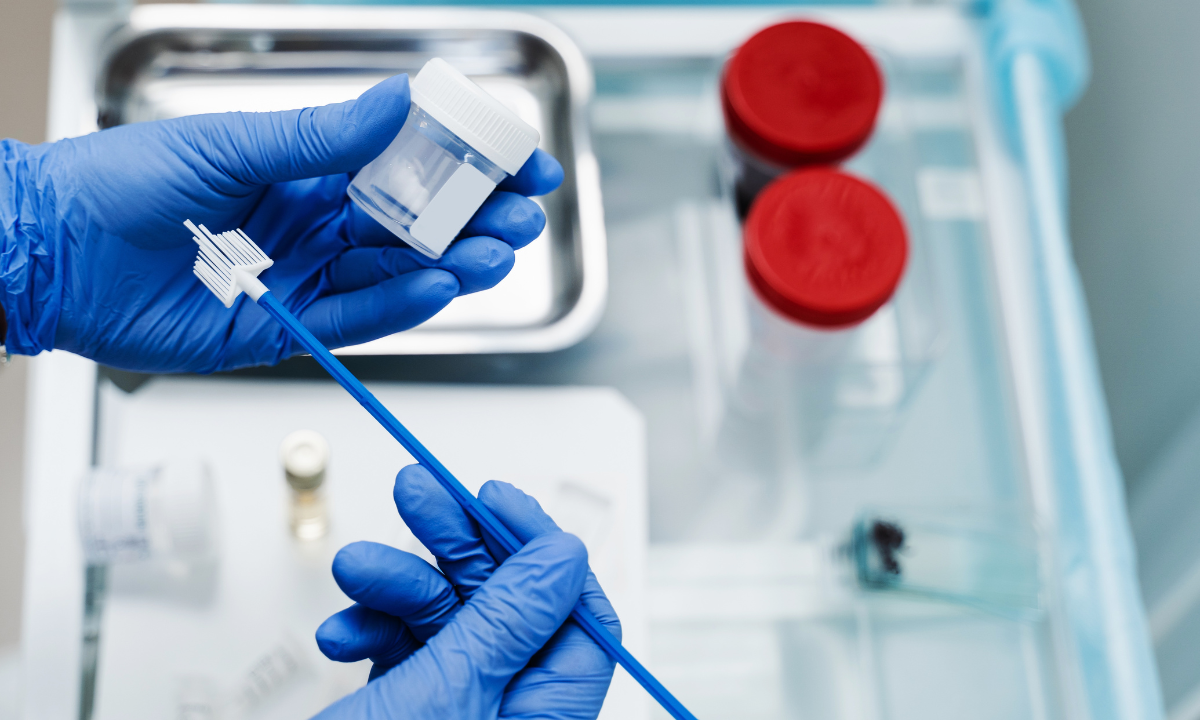
Cervical cancer screening can detect pre-cancerous cervical changes early, often before any symptoms appear. Cervical screening may include:
Pap smear:
To check for abnormal cervical cells
HPV test:
To detect high-risk HPV types
Colposcopy:
Allows your clinician to closely examine the cervix using a specialised magnifying device
If it has been a while since your last cervical check, or you want to be proactive about early detection, schedule a consultation at Thomson Medical to make sure your screening schedule supports your long-term wellbeing.
FAQ
Does every HPV infection cause cervical cancer?
No. Most HPV infections are cleared naturally by your immune system within one to two years. Even high-risk strains only occasionally lead to cervical cancer, usually if the infection persists without detection or treatment.
By attending regular cervical screening, you can catch any cell changes early, long before they could become serious. This gives you control over your health and peace of mind.
Can men get HPV too?
Yes. Men can get HPV through sexual contact just like anyone else. While men do not develop cervical cancer, they can develop other HPV-related cancers, such as anal, penile, or throat cancers.
Low-risk strains can also cause genital warts, which are treatable and not dangerous. Vaccination protects both you and your partners, reducing the chance of infection or transmission.
Can the HPV vaccine prevent cervical cancer completely?
The HPV vaccine is highly effective and protects you against the most common high-risk strains that cause around 70 per cent of cervical cancers. However, it does not cover every HPV type, so it is still important to attend regular screening.
Even though it cannot guarantee complete protection, the HPV vaccination dramatically lowers your risk and is one of the best steps you can take for your long-term health.
Is cervical cancer contagious?
No. Cervical cancer itself cannot spread from person to person. What is contagious is HPV, the virus that can sometimes lead to cervical cancer if it persists. Even if you have HPV, this does not mean you will develop cancer. By having regular screening and vaccination, you are taking proactive steps to protect yourself.
Is my life ruined if I have HPV?
Absolutely not. Having HPV does not define you, and it is very common. Many people with HPV never experience serious health problems. A positive HPV test simply means you now have information that encourages you to take care of your health.
With follow-up screening and treatment if needed, you can stay healthy and confident, knowing you are acting before anything serious develops.
Can HPV come back after it has cleared?
Yes. In some cases, HPV can reactivate later in life, especially if your immune system is weakened. This is normal viral behaviour and does not mean you have done anything wrong. Routine cervical screening ensures that any reactivation is detected early, keeping you safe and informed.
Should I be worried if I have low-risk HPV?
Not usually. Low-risk HPV types, such as HPV 6 and 11, can cause genital warts but do not lead to cervical cancer. If you develop warts, they are treatable with medication or minor procedures. Most low-risk infections resolve naturally, so regular follow-up and monitoring are all that is typically needed.
The information provided is intended for general guidance only and should not be considered medical advice. For personalised recommendations and tailored advice based on your unique situations, please consult a specialist at Thomson Medical. Request an appointment with Thomson Medical today.
References:
Sabeena, S., Bhat, P. V., Kamath, V., Bhat, S.hK., Nair, S., n, R., Chandrabharani, K., & Arunkumar, G. (2017). Community-Based Prevalence of Genital Human Papilloma Virus (HPV) Infection: A Systematic Review and Meta-Analysis. Asian Pacific Journal of Cancer Prevention: APJCP, 18(1), 145–154. https://doi.org/10.22034/APJCP.2017.18.1.145
Okunade, K. S. (2020). Human papillomavirus and cervical cancer. Journal of Obstetrics and Gynaecology: The Journal of the Institute of Obstetrics and Gynaecology, 40(5), 602–608. https://doi.org/10.1080/01443615.2019.1634030
For more information, contact us:
Thomson Specialists (Women's Health)
Thomson Women's Clinic (TWC)
- Novena:
6592 6686 (Call), 8611 8986 (WA) - Bukit Batok:
6569 0668 (Call), 8686 3525 (WA) - Choa Chu Kang:
6893 1227 (Call), 8282 1796 (WA) - Jurong:
6262 8588 (Call), 6262 8588 (WA) - Katong (female doctor):
6970 2272 (Call), 8611 9020 (WA) - Punggol:
6243 6843 (Call), 8811 0328 (WA) - Sembawang: 6753 5228
- Sengkang: 6388 8125
- Serangoon (female doctor): 6382 3313
- Tampines: 6857 6266
- Tiong Bahru: 6276 1525
Notice
The range of services may vary between TWC/TS locations. Please contact your preferred branch directly to enquire about the current availability.
Request an Appointment