

It is natural to have concerns about your risk of cervical cancer, especially after receiving an abnormal test result. Many women in this situation are worried about issues which could affect their long-term health, such as high-risk HPV.
Learning more about the factors that can increase cervical cancer risk can help you feel clearer and more reassured. With the right information, you can take practical steps to support your health and make confident choices about screening and prevention.
What is cervical cancer?
Cervical cancer starts in the cervix, the lower part of the uterus that connects to the vagina. It often develops slowly, commonly beginning in the transformation zone, where cells can be more responsive to human papillomavirus (HPV)-related changes.
Cancer becomes invasive when abnormal cells grow deeper than the surface of the cervix. The term 'invasive' refers to how far cells have grown, not what your outcome will be, and it is not a reflection of how well treatment can work.
If detected early, cervical cancer is highly treatable, and with the right care, many women continue to enjoy strong long-term health.
Main cause of cervical cancer
A long-lasting infection with certain types of HPV, particularly HPV 16 and HPV 18, is the main cause of cervical cancer. HPV is a very common sexually transmitted infection (STI) that can affect the cervix.
Most people who are sexually active will come into contact with HPV at some point in their lives, often without ever realising it. This is very common and usually causes no harm. What matters most is regular screening, which helps identify any changes early and keeps you protected.
Most HPV infections are cleared naturally by your immune system within 1 to 2 years, often without symptoms or lasting harm.
Your risk increases when the virus does not clear and stays active for many years. Over time, persistent high-risk HPV can interfere with how cervical cells normally renew and regulate themselves.
If you have tested positive for high-risk HPV or received any abnormal cervical screening result, schedule a consultation at Thomson Medical to get a clear, personalised assessment and early guidance.
Modifiable and behavioural risk factors
Some cervical cancer risks are within your control, and changing them can make a real difference in prevention.
Tobacco use

If you smoke, your risk of cervical cancer is about twice as high as a non-smoker's. Tobacco chemicals can affect the cervix and make it harder for your body to clear HPV, increasing the chance of cell changes over time.
Smoking can increase your risk by:
Damaging the DNA in cervical cells
Weakening your immune defences, making HPV harder to clear
Raising the chance that early abnormal cell changes may progress if not detected early
Quitting smoking, even after many years, gradually strengthens immunity and lowers cancer risk. Your body has a remarkable ability to respond to positive change, and every step toward stopping counts.
Sexual history and practices
Some sexual behaviours can increase your chance of HPV exposure, which influences cervical cancer risk. These include:
Early sexual activity before age 16
Multiple sexual partners
Unprotected sexual contact
A partner with multiple past partners
These factors help shape your prevention plan, as they can:
Increase exposure to high-risk HPV.
Raise the chance of reinfection or long-term viral activity.
Increase exposure to infections that may cause inflammation, which can make HPV harder to clear.
Make cervical cells more susceptible to viral changes, particularly at a younger age.
Using condoms can help reduce HPV transmission but cannot fully prevent it due to skin-to-skin spread. Still, practising safer sex can make a real difference by reducing your overall risk of infections and ongoing inflammation.
Long-term use of contraceptives
Using oral contraceptives for many years has been linked to a slightly higher risk of cervical cancer, especially in women who already have long-term high-risk HPV. Long-term contraceptive use may increase your risk by:
Affecting how cervical abnormalities progress when HPV persists.
Making early cell changes slightly more likely to advance if not detected through screening.
However, keep in mind that this is not a primary cause of cervical cancer, and the overall benefits of contraceptives remain well recognised.
Keeping up with routine cervical screening is a simple and effective way to stay informed and protect your long-term health.
Obesity
Having excess weight doesn’t directly cause cervical cancer, but over time it can play a role by increasing inflammation and affecting hormones and blood sugar balance.
Obesity may contribute to risk by:
Creating chronic inflammation that can affect cell health over time.
Disrupting normal hormonal balance.
Making pelvic exams or screening technically more difficult in some cases, which can delay detection.
Supporting a healthy weight helps your immune system, reduces inflammation, and strengthens overall cancer prevention. Small, consistent lifestyle changes can have a positive impact on your long-term health.
Our cervical cancer specialist
Loading...
Immune-related and biological risk factors
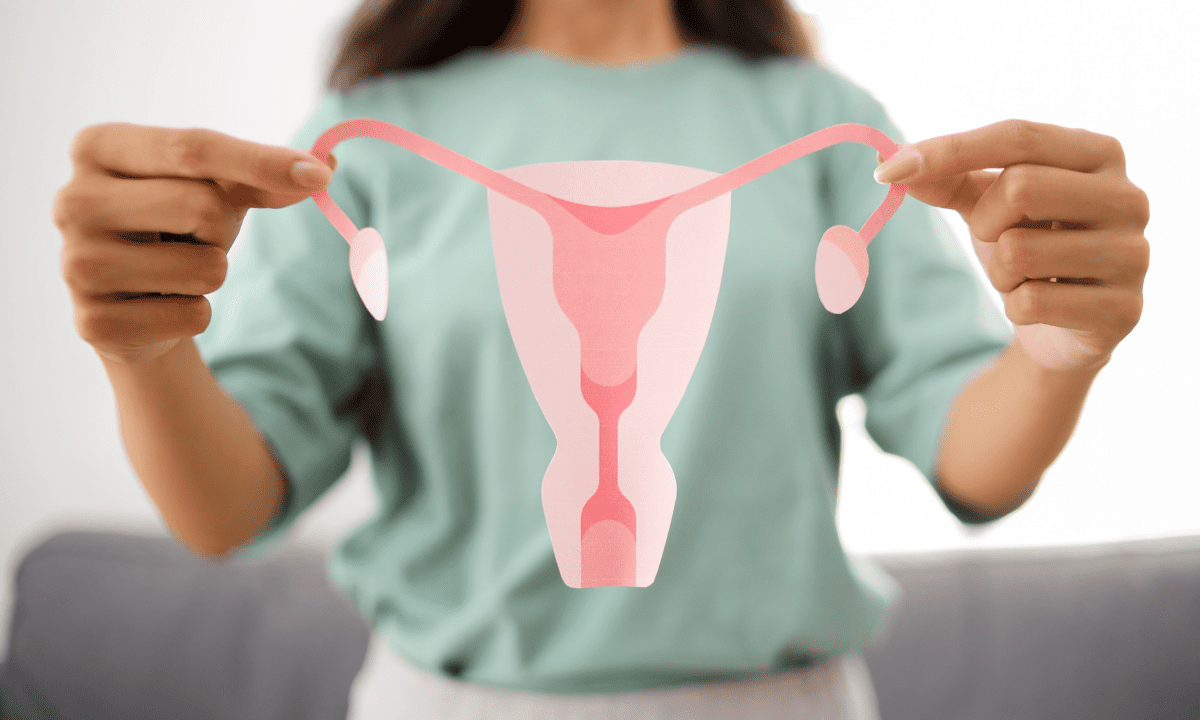
These factors are not affected by your everyday behaviour, but they are important for understanding why some women may be at higher risk.
High-risk HPV infection
HPV is very common, but cervical cancer risk increases when high-risk strains stay active for many years.
Your biological risk may be higher if:
HPV is harder for your body to clear.
You are exposed to the virus more than once.
Other infections, such as trichomoniasis or gonorrhoea, are present and cause inflammation.
Weakened immune system
Your immune system plays the biggest role in clearing HPV. If it is weakened, the risk of cervical cell changes can increase.
This may happen if you:
Are living with HIV
Have had an organ transplant
Take medications that lower immunity, such as steroids or autoimmune treatments
Were born with a condition that affects immune strength, such as a primary immunodeficiency disorder
If your immunity is compromised, it does not mean cervical cancer is certain. It means your body may benefit from closer monitoring.
If you have a weakened immune system or other risk factors, schedule a consultation at Thomson Medical to discuss personalised cervical screening and monitoring. Early guidance can help you stay proactive and protect your long-term health.
Other factors
Family history of cervical cancer
If a close female relative such as your mother, sister or daughter has had cervical cancer, it is natural to worry about what this might mean for you. While this can slightly increase your risk, it does not mean that cervical cancer is inherited in the same way as some other conditions.
In most cases, this small increase in risk is linked to shared factors, such as similarities in immune response or environment, rather than genetics. These influences are much less important than long-term HPV infection or lifestyle factors. Regular screening and preventative care remain the most effective ways to protect your health.
DES exposure
DES (diethylstilbestrol) is a synthetic hormone medication that doctors prescribed in the past to help prevent miscarriage or pregnancy complications. It was used most commonly between the 1940s and early 1970s.
If your mother took DES during pregnancy, your risk of a rare cervical or vaginal cancer type may be higher. This is medically recognised, but DES-related cancers remain uncommon.
Socioeconomic status
This factor is not about biology but it reflects differences in access to preventive care. When healthcare is harder to reach, cervical cancer risk may rise because screening, vaccination, or early treatment can happen later than ideal.
This may influence risk through:
Screening that happens less often or later
Vaccination that starts later or is missed
Cell changes that go untreated longer
Diagnosis occurring at a deeper or later stage
Even if preventive care has not always been possible, screening remains a powerful tool for protecting your health, no matter when you start.
How to prevent cervical cancer
HPV vaccination
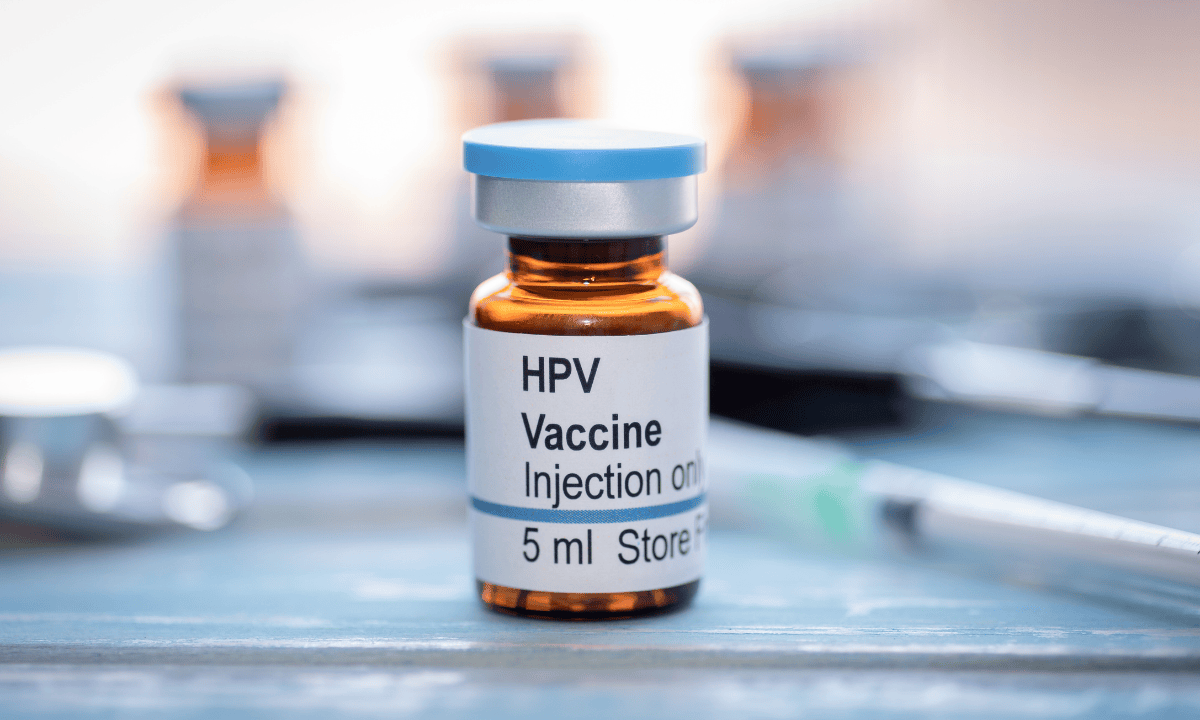
HPV vaccines protect you from the highest-risk virus types, especially HPV-16 and HPV-18, which cause most cervical cancers. Vaccination prevents infection before cell changes can begin.
Regular cervical screening
Routine cervical screening includes two key tests: Pap smears and HPV tests. These tests work together to give you an early and accurate picture of your cervical health, often identifying changes long before anything feels wrong.
Pap smears:
To check for abnormal cervical cells
HPV tests:
To detect high-risk virus strains
To stay ahead of cervical changes, here’s how often you should get screened based on your age and health.
Group | Screening recommendation |
Ages 21–29 | Pap smear every 3 years |
Ages 30–65 | Pap smear + HPV test every 5 years (preferred), or Pap smear alone every 3 years |
Over 65
| Screening may stop if previous results were consistently normal |
Living with HIV | Screening every 3 years starting at age 25 |
After abnormal results | Your doctor may recommend a personalised follow-up schedule |
Screening catches changes early, long before symptoms appear. It is one of the most reassuring and effective tools you can choose for yourself.
If you are due for a cervical screening or have questions about your testing schedule, schedule a consultation at Thomson Medical to receive personalised guidance and ensure you stay on top of your cervical health.
Safer sexual practices
HPV spreads mainly through skin-to-skin contact. You can lower exposure by:
Using condoms
Limiting the number of sexual partners
These steps reduce risk, but screening is still important even if you practise safer sexual activities.
Lifestyle habits that support prevention
A strong immune system plays an important role in helping your body clear HPV. While no lifestyle habit can eliminate cervical cancer risk alone, everyday choices that support your immunity can offer added protection alongside vaccination and regular screening.
Helpful habits include:
Stopping smoking:
Allows your immune system to recover gradually over time
Maintaining a healthy weight:
Supports better hormone balance and reduces long-term inflammation
Eating a balanced, nutrient-rich diet:
Gives your body the vitamins and minerals it needs to support cell health and natural repair
Small, consistent changes can strengthen your body’s ability to protect itself over the long term.
When to see a doctor
Early attention makes treatment simpler and more effective. It’s important to get checked if you notice any signs that could indicate a cervical issue, such as:
Abnormal vaginal bleeding
Persistent pelvic pain
Foul-smelling vaginal discharge
Abnormal Pap or HPV test results
If you are affected by any of the above symptoms, consider scheduling a consultation at Thomson Medical today. This gives you the best chance to address changes early, stay on top of your health, and feel more confident about your cervical wellbeing.
FAQ
Can STIs increase the risk of cervical cancer?
Yes. STIs, especially HPV, are closely linked to cervical cancer. Having HIV or other infections at the same time can make it harder for your body to clear HPV, which increases your risk. Being aware of your sexual health and practising safer sexual intercourse can help reduce this risk.
Can men get or spread HPV?
Yes. Men can carry HPV and pass it on through sexual contact, even if they show no symptoms. HPV can also cause genital warts and certain cancers in men, such as penile or throat cancer. Using protection and vaccination helps reduce transmission for everyone.
Does HPV always lead to cervical cancer?
No. Most HPV infections are cleared naturally by the immune system within a couple of years. Only persistent high-risk HPV infections can lead to changes in cervical cells that may develop into cancer over time. Regular screening helps catch these changes early before they become serious.
Does pregnancy increase cervical cancer risk?
Pregnancy itself does not directly increase the risk of cervical cancer. However, hormonal changes during pregnancy can occasionally affect existing precancerous cells. If you have cervical cell changes, your doctor may monitor them more closely during pregnancy.
At what age should I start getting Pap tests?
For ages 21 to 29, it is recommended to have a Pap test every three years. From age 30, you can discuss with your doctor whether to continue every three years or switch to co-testing (Pap test plus HPV test) every five years. Younger women generally do not need screening before 21 unless they have high-risk factors such as a weakened immune system or a history of abnormal cervical cells.
How effective is the HPV vaccine in preventing cervical cancer?
The HPV vaccine is highly effective against the most common high-risk HPV types. It significantly lowers your risk of cervical cancer but does not replace the need for regular screening. Vaccination works best when given before exposure to HPV, and it’s a key step in long-term protection.
The information provided is intended for general guidance only and should not be considered medical advice. For personalised recommendations and tailored advice based on your unique situations, please consult a specialist at Thomson Medical. Request an appointment with Thomson Medical today.
For more information, contact us:
Thomson Specialists (Women's Health)
Thomson Women's Clinic (TWC)
- Novena:
6592 6686 (Call), 8611 8986 (WA) - Bukit Batok:
6569 0668 (Call), 8686 3525 (WA) - Choa Chu Kang:
6893 1227 (Call), 8282 1796 (WA) Jurong:
6262 8588 (Call), 6262 8588 (WA)- Katong (female doctor):
6970 2272 (Call), 8611 9020 (WA) - Punggol:
6243 6843 (Call), 8811 0328 (WA) - Sembawang: 6753 5228
- Sengkang: 6388 8125
- Serangoon (female doctor): 6382 3313
- Tampines: 6857 6266
- Tiong Bahru: 6276 1525