

Finding out you have HPV can feel unsettling. Most people in this situation are concerned about whether the virus stays in their body permanently and whether there is anything they can do to help clear it.
The good news is that your immune system can usually clear HPV on its own over time. While there is no medication that directly eliminates HPV, there are practical things you can do to support your body's natural defences.
Knowing how HPV behaves and how your immune system responds may help you make better decisions for your recovery and your health going forward.
What is HPV infection?
Human papillomavirus (HPV) is a group of more than 200 related viruses. Some types are considered low-risk, which can cause genital warts, while others are high-risk and are linked to cancers such as vaginal cancer and cervical cancer.
HPV spreads mainly through skin-to-skin sexual contact, including vaginal, anal, and oral sex. Because the virus is easily transmitted, most sexually active people will be exposed to HPV at some point in their lives.
Can HPV be cured?
There is no medication that currently kills HPV directly. The virus infects surface skin and mucosal cells rather than circulating in your bloodstream, which is why antivirals do not work against it.
However, this does not mean HPV stays forever.
Your immune system can recognise infected cells and, in most cases, clears the virus within one to two years. How well your immune system functions plays an important part in this process.
As such, supporting your immune system and reducing factors that weaken it can give your body a better chance of dealing with the virus.
How to help your body fight HPV
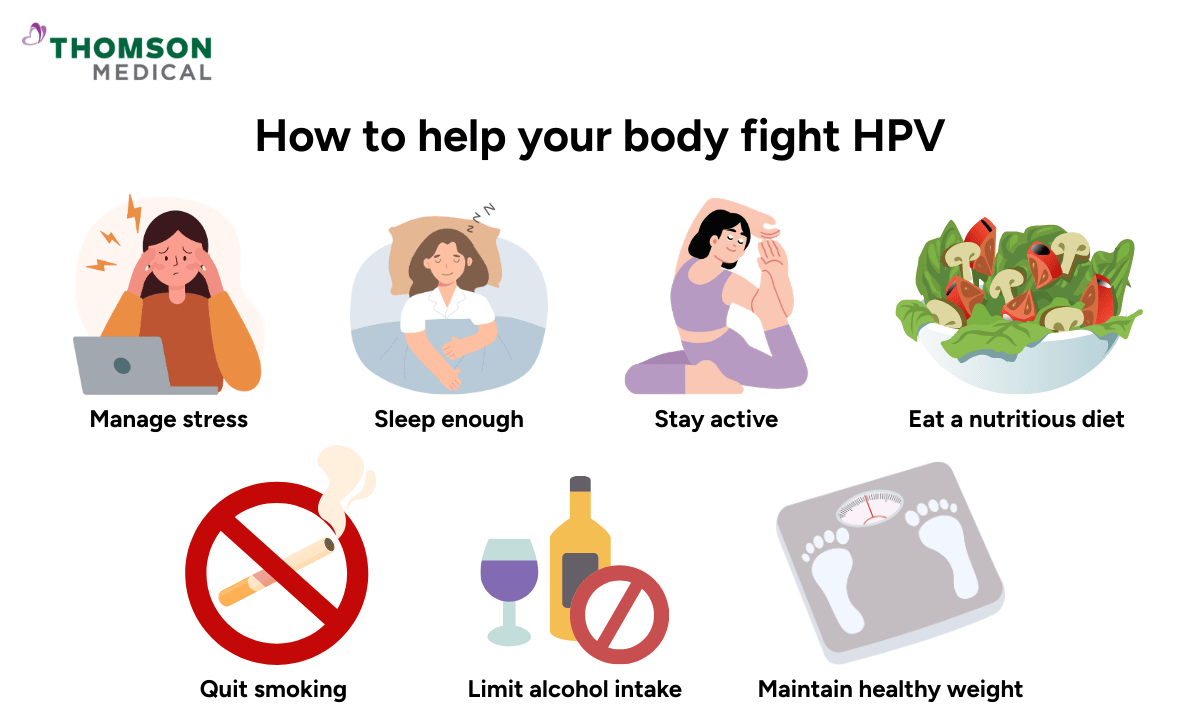
While there is no direct cure for HPV, there are things you can do to help your body clear the virus on its own.
Managing stress
Long-term stress affects how well your immune system works. When stress becomes chronic, your body can struggle to keep infections – including HPV – in check.
Finding ways to manage stress helps restore that balance. Simple habits like breathing exercises, meditation, journalling, or even a few quiet minutes to yourself each day can support both your mental and physical health.
Getting enough sleep
Sleep gives your body time to repair and regulate the immune system. When sleep is regularly disrupted, your body’s ability to fight infections may become less efficient.
Most adults benefit from 7–9 hours of sleep each night. A consistent bedtime and cutting back on screens before sleep can help you settle into deeper, more restorative rest.
Staying physically active
Regular movement supports immune health by improving circulation and helping regulate inflammation in your body.
Moderate activities that are easy to maintain include:
Walking
Swimming
Yoga
Strength training
What matters most is staying active regularly rather than pushing yourself too hard. Intense training without enough rest can sometimes leave your body feeling run down instead of stronger.
Eating a nutritious diet
Your daily diet has a direct impact on how well your immune system functions.
A balanced diet with enough vitamins, minerals, and antioxidants supports your body’s natural defences and maintains healthy cells. Limiting highly processed and sugary foods may help reduce inflammation, which gives your body a better internal environment to clear the virus.
Here is a simple guide to foods that may support immune health and foods worth limiting:
Foods to eat more often | Foods to limit |
Leafy greens (spinach, kale) | Highly processed foods |
Berries and citrus fruits | Sugary snacks and drinks |
Cruciferous vegetables (broccoli, cabbage) | Refined carbohydrates |
Foods rich in vitamin C, vitamin A, folate, and zinc | Trans fats and heavily fried foods |
Green tea and antioxidant-rich foods |
Other lifestyle habits that support immune health
A few everyday habits can also influence how effectively your body clears HPV.
Here’s what you can do:
Quitting smoking:
Quitting smoking gives your body a better chance to clear HPV, as your cervical tissue can heal and stay healthier over time.
Limiting alcohol intake:
Keeping alcohol intake moderate helps your body absorb the nutrients it needs to maintain immune function.
Maintaining a healthy weight:
Keeping your weight within a healthy range can reduce ongoing inflammation, helping your immune system work more effectively to protect you.
While no single habit can clear HPV on its own, consistent healthy choices can support the immune system that helps your body fight the virus.
Medical options and monitoring
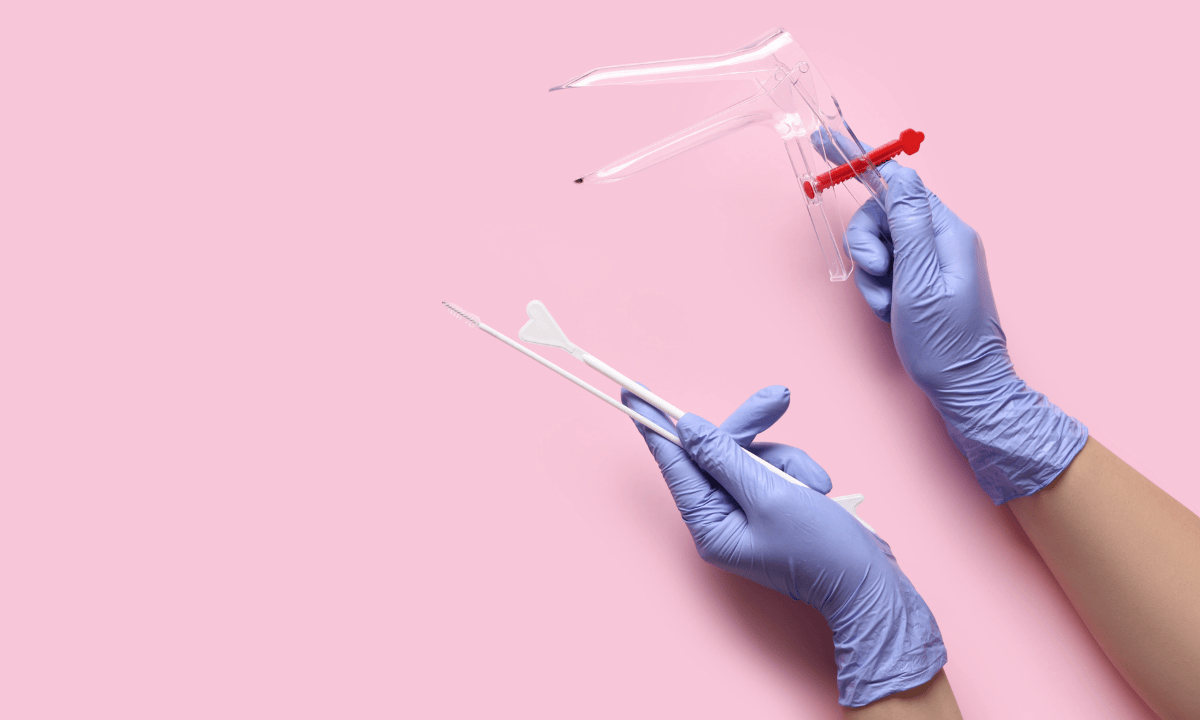
Alongside these lifestyle habits, regular medical monitoring plays an important role in managing HPV and detecting any changes early.
Pap smear and HPV testing
If you already have HPV, you might wonder whether you still need regular screening.
Most HPV infections do clear on their own, but certain high-risk types can sometimes cause changes in cervical cells. Regular screening helps your doctor keep track of those changes and catch anything unusual early.
A Pap smear looks for abnormal cells in the cervix, while an HPV test identifies high-risk strains linked to cervical cancer.
Depending on your results and medical history, your doctor may recommend:
Follow-up screening every 1–3 years
Repeat HPV testing to check whether the virus has cleared
Further evaluation if any cell changes are found
The goal is simply to stay on top of your cervical health while your body does its work.
Colposcopy for abnormal results
If a Pap smear or HPV test shows abnormal results, your doctor may recommend a colposcopy – a closer look at your cervix using a specialised microscope. In some cases, a small tissue sample (a biopsy) may be taken to better understand what the changes mean.
Although the idea of additional testing can feel worrying, colposcopy is a common and routine examination that helps doctors make accurate decisions about your care.
Treatment for precancerous changes
If precancerous cell changes are found, your doctor may recommend removing the affected cells to lower the risk of cancer. Procedures such as the loop electrosurgical excision procedure (LEEP) or cryotherapy target abnormal cells while leaving healthy tissue intact.
When changes are detected early through screening, treatment works well.
If you have questions about HPV screening or cervical health monitoring, schedule a consultation with Thomson Medical. Our gynaecologist can help you understand your options and plan the next steps in your care.
Our gynaecologists in Singapore
Loading...
Preventing HPV reinfection
Because HPV includes many different types, reinfection with another strain is possible.
A few protective steps that help reduce the risk of exposure to new HPV strains include:
Using condoms:
Although condoms can’t provide complete protection (because HPV spreads through skin contact), regular use can lower overall exposure.
Limiting partners:
Having fewer sexual partners can help reduce the likelihood of encountering new strains.
Considering HPV vaccination:
The HPV vaccine does not treat an existing infection, but it can protect against several HPV types you may not have encountered yet. Vaccination can help reduce the risk of reinfection and future HPV-related cancers.
Communicating openly with your partner:
Honest conversations about sexual health can help your partner make informed decisions about protection, testing, and vaccination.
While an HPV diagnosis can feel unsettling, remember that most infections resolve with time. With consistent habits, the right medical support, and regular screening, you can take positive steps toward protecting your future health.
Even if you have been diagnosed with HPV, the vaccine can still protect you against other HPV strains you may not have encountered yet. Request an appointment with our gynaecologists at Thomson Medical to find out whether HPV vaccination could still benefit you.
FAQ
Can my body clear HPV on its own?
Yes, your immune system usually clears most HPV strains naturally within one to two years without the need for specific treatment. However, it is still important to get screened regularly to catch any serious cases before they can develop further.
How long does it take for the body to clear HPV?
The timeline can vary from person to person. Some people clear the virus within several months, while for others it may take longer depending on immune health and lifestyle factors.
Can supplements help remove HPV?
Supplements may help support immune function, but they do not eliminate HPV directly. They are best used alongside healthy lifestyle habits and appropriate medical care.
Can HPV come back after it has cleared?
In most cases, once HPV has cleared, it does not return. Rarely, the virus may remain inactive in the body and become detectable again if the immune system becomes weakened.
Can stress affect HPV infection?
Chronic stress can affect immune function, which may make it harder for the body to control infections, including HPV.
Can I still have sex while managing HPV?
Yes, many people continue their normal sexual lives while managing HPV. Using condoms and maintaining open communication with partners can help reduce the risk of transmission and reinfection.
The information is intended for general guidance only and should not be considered medical advice. For personalised recommendations and advice based on your unique situation, please consult a specialist at Thomson Medical. Request an appointment with Thomson Medical today.
For more information, contact us:
Thomson Specialists (Women's Health)
Thomson Women's Clinic (TWC)
- Novena:
6592 6686 (Call), 8611 8986 (WA) - Bukit Batok:
6569 0668 (Call), 8686 3525 (WA) - Choa Chu Kang:
6893 1227 (Call), 8282 1796 (WA) Jurong:
6262 8588 (Call), 6262 8588 (WA)- Katong (female doctor):
6970 2272 (Call), 8611 9020 (WA) - Punggol:
6243 6843 (Call), 8811 0328 (WA) - Sembawang: 6753 5228
- Sengkang: 6388 8125
- Serangoon (female doctor): 6382 3313
- Tampines: 6857 6266
- Tiong Bahru: 6276 1525