

Let's be honest: vaginal itching, burning, or unusual discharge aren't exactly easy things to bring up, even with your doctor. Many women quietly put up with these symptoms, hoping they'll sort themselves out.
The truth is, vaginitis is one of the most common reasons women see a gynaecologist, and it's nothing to feel embarrassed about. Knowing the symptoms, common causes, and when to see a doctor can help you address it sooner rather than later.
What is vaginitis?
Vaginitis is the term for inflammation or infection of the vagina. It's one of the most common gynaecological concerns women experience, and most types respond well to treatment once the underlying cause is identified.
What are the causes of vaginitis?
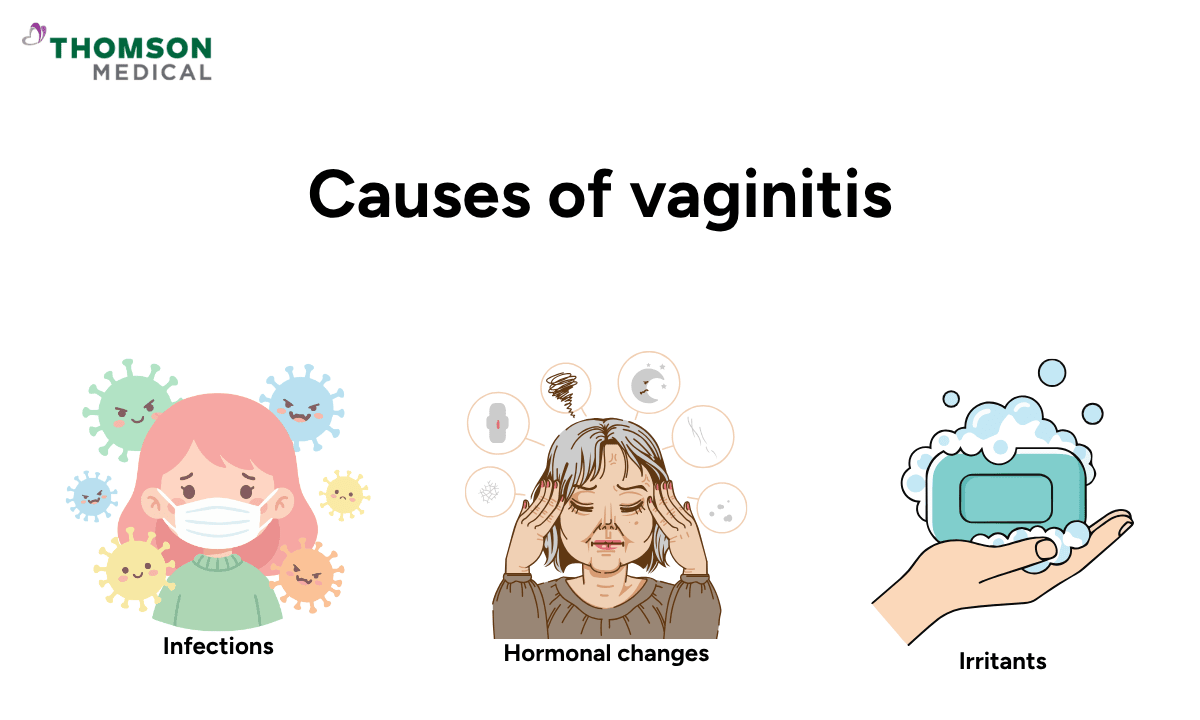
Vaginitis usually stems from one of three things: an imbalance or infection of the vaginal microbiome, hormonal changes (such as during pregnancy, menstruation, or menopause), or irritation from products and clothing. Each of these maps to a different type of vaginitis, which we'll look at in turn.
Infections
The most common cause of vaginitis is infection. This can come in different forms:
Bacterial vaginosis: This occurs when there is an overgrowth of harmful bacteria in the vagina.
Vaginal yeast infection: This is typically caused by Candida species, such as Candida albicans.
Trichomoniasis: This is caused by a parasite (Trichomonas vaginalis) and is often sexually transmitted.
Hormonal changes
Fluctuations in hormone levels, such as those that occur during pregnancy, menstruation, menopause, or while taking hormonal contraceptives, can make women more prone to developing vaginitis.
Irritants
Certain products or behaviours can irritate the vagina and raise the risk of vaginitis. These could be:
Douching
Using scented soaps, bubble baths, or feminine hygiene products
Wearing tight-fitting or non-breathable clothing
Allergic reactions to latex condoms, spermicides, or other vaginal products
What are the symptoms of vaginitis?
When it comes to vaginitis, the signs and symptoms can vary depending on the underlying cause. However, they commonly include:
Abnormal vaginal discharge (changes in colour, odour, consistency)
Vaginal itching or irritation
Pain or discomfort during urination or intercourse
Redness or swelling of the vaginal area
Burning sensation while urinating
These indicators can be key to identifying the type of vaginitis and thereby guide appropriate treatment.
Many women in Singapore experience vaginitis at some point. If you have ongoing concerns or symptoms that don't ease with self-care, schedule an appointment with Thomson Medical for an individual assessment.
Types of vaginitis
Vaginitis isn't a single condition but a group of related ones, each with its own cause, symptoms, and treatment. Knowing which type you're dealing with is the first step towards getting the right care, so it's worth understanding how the main types differ.
1) Bacterial vaginosis (BV)
Bacterial vaginosis is the most common type of vaginitis that occurs due to an imbalance in the vaginal microbiota as a result of overgrowth of harmful bacteria.
Symptoms may include thin, greyish-white vaginal discharge with a fishy odour and itching and irritation in the vaginal area.
BV doesn't usually cause significant pain or inflammation, and many women have no noticeable symptoms at all. When symptoms do appear, they tend to be a thin, greyish-white discharge with a fishy odour, sometimes alongside mild itching.
2) Yeast infection (Candidiasis)
Vaginal yeast infection is caused by an overgrowth of yeast.
Symptoms may include thick, white, cottage cheese-like vaginal discharge and itching, burning and redness of the vaginal area.
It is common and can occur in women of all ages, especially during pregnancy, menstruation, or while taking antibiotics.
3) Trichomoniasis
Trichomoniasis is a sexually transmitted infection (STI) caused by the parasite Trichomonas vaginalis.
Symptoms may include frothy, yellow-green vaginal discharge with a foul odour; itching and redness of the vaginal area; and discomfort during urination or intercourse.
It is transmitted through sexual contact and can cause STI symptoms in male sexual partners.
4) Atrophic vaginitis
Atrophic vaginitis occurs due to the thinning and inflammation of the vaginal tissues, often resulting from hormonal changes associated with menopause.
Symptoms may include vaginal dryness and itching, burning, and discomfort during intercourse.
More common amongst postmenopausal women and may occur alongside other symptoms of menopause, such as hot flashes and mood changes.
5) Chemical vaginitis
Can occur due to exposure to irritants or allergens, such as douches, scented soaps, bubble baths, spermicides, or latex condoms.
Symptoms may include vaginal irritation and itching, redness and discomfort.
Avoiding exposure to irritants and practising good hygiene can help prevent chemical vaginitis.
6) Mixed infections
Caused by a combination of factors, such as bacterial vaginosis coexisting with a yeast infection or other types of infections.
Symptoms can overlap and require tailored treatment based on the specific pathogens involved.
Who is at risk of vaginitis?

Vaginitis can affect women of any age, and most will experience it at some point. Some factors make it more likely than others. However, recognising them can help you understand your own risk and take simple steps to reduce it.
Several factors may increase the risk of developing vaginitis, including:
Sexual behaviour
Having multiple sexual partners or not using condoms during sexual intercourse
Having poor personal hygiene practices
Medical factors
Using antibiotics or corticosteroids
Health conditions
Diabetes or other conditions that weaken the immune system
Our gynaecologists in Singapore
Loading...
How is vaginitis diagnosed?
Because different types of vaginitis can cause very similar symptoms, an accurate diagnosis is key to getting the right treatment. The process is usually quick and straightforward, and in most cases a single consultation is enough to identify the cause.
To diagnose vaginitis, your healthcare provider may do the following:
Physical examination
Perform a pelvic examination to assess the vaginal and cervical tissues for signs of inflammation, discharge, or lesions.
Vaginal swab
Collect a swab of vaginal discharge to examine under a microscope or send it to a laboratory for culture to identify the causative organism.
pH testing
Measure vaginal pH to differentiate between types of vaginitis (e.g., bacterial vaginosis and yeast infection).
These diagnostic methods can help healthcare providers identify the specific type of vaginitis and tailor treatments accordingly.
What are the treatments for vaginitis?
Once the type of vaginitis has been identified, treatment is usually targeted to the underlying cause. Most cases respond well, with symptoms often easing within days. However, the exact approach depends on whether the cause is bacterial, fungal, hormonal, or related to an irritant.
Treatments for vaginitis depend on the underlying cause and may include:
Antibiotics
Antibiotics may be prescribed for bacterial vaginosis or other bacterial infections.
Antifungal medications
Antifungal creams, suppositories, or oral medications are used to treat yeast infections.
Antiparasitic medications
Medications such as metronidazole or tinidazole can be used to treat trichomoniasis.
Topical steroids
Steroid creams may be prescribed to reduce inflammation and itching.
Avoidance of irritants
It's essential to avoid irritants such as douching, scented products, and tight-fitting clothing.
What are the complications of vaginitis?
Most cases of vaginitis are uncomplicated and resolve fully with treatment. Complications are uncommon and largely preventable, but understanding them helps explain why it's worth getting persistent or recurring symptoms checked rather than waiting them out.
Vaginitis, if left untreated, can lead to several complications, such as:
Recurrent or chronic infections
Pelvic inflammatory disease (if caused by sexually transmitted infections)
Increased risk of sexually transmitted infections, including HIV
Psychological distress and decreased quality of life due to persistent symptoms
When should you see a doctor?

Vaginitis is common and usually responds well to treatment, so there's rarely cause for alarm.
That said, getting symptoms checked early helps confirm the cause, rules out other conditions that can look similar, and gets you onto the right treatment sooner – different types of vaginitis need different remedies, and an over-the-counter product for one type may not work (and can occasionally worsen) another.
It's a good idea to speak with a doctor if you notice:
A change in vaginal discharge – its colour, amount, consistency, or smell
Itching, burning, redness, or swelling that lasts more than a few days
Pain or burning when you urinate, or discomfort during sex
Pelvic pain, lower abdominal pain, or fever, which can suggest the infection has spread
Unusual vaginal bleeding, particularly between periods or after menopause
Symptoms that return soon after a previous course of treatment
Vaginitis is common, treatable, and rarely serious when addressed early. If your symptoms are persistent, recurring, or affecting your daily comfort, request an appointment with Thomson Medical to speak with a gynaecologist who can help identify the underlying cause and guide appropriate care.
FAQs
Can vaginitis go away on its own?
Some milder cases of vaginitis can settle without treatment, particularly when the cause is irritation from a product or behaviour that's then removed. Mild yeast infections and bacterial vaginosis (BV) can sometimes clear up on their own, but there's no guarantee, and untreated BV can raise the risk of sexually transmitted infections (STIs) and complications in pregnancy.
That said, "wait and see" generally isn't the safest approach unless you're certain of the cause.
Untreated infections can persist for weeks or months, and overlapping symptoms make it difficult to tell types of vaginitis apart on your own. Seeing a doctor for an accurate diagnosis usually shortens symptoms and lowers the risk of complications such as pelvic inflammatory disease.
Is vaginitis contagious or sexually transmitted?
It depends on the type. Trichomoniasis is sexually transmitted, but other forms of vaginitis usually are not.
Bacterial vaginosis and yeast infections (thrush) are caused by an imbalance of organisms that already live in the vagina, rather than something passed from a partner. BV is not classified as an STI, but it is linked to sexual activity — researchers think sex can shift the bacterial environment in the vagina and make overgrowth more likely.
If trichomoniasis is diagnosed, both partners typically need treatment to prevent reinfection and further transmission.
Can I have sex while being treated for vaginitis?
It's generally best to wait until treatment is complete and symptoms have settled. For bacterial vaginosis, it's advised to wait until the infection clears or to use condoms during sex; for trichomoniasis, both you and your partner should complete treatment and be symptom-free before resuming sex.
Sex during an active infection can be uncomfortable and may interfere with how well treatment works.
How long does vaginitis usually take to clear up?
It depends on the cause, but with appropriate treatment, most uncomplicated cases improve quickly. Acute vaginitis usually settles within about two weeks of starting treatment, while long-term or recurrent cases can take three to six months to resolve.
Up to 90% of bacterial vaginosis cases achieve clinical cure with appropriate antibiotic treatment within one to two weeks, and similar success rates are observed for uncomplicated yeast infections with short-course antifungal therapy.
What's the difference between vaginitis and a UTI?
Vaginitis affects the vagina and vulva, while a urinary tract infection (UTI) affects the urinary tract – most often the bladder or urethra. The two can feel similar because both can cause a burning sensation when urinating, but the rest of the symptoms usually differ.
UTIs tend to involve pelvic pain and burning during urination, whereas vaginitis more often causes vaginal itching or irritation alongside changes in discharge. UTIs do not typically cause vaginal itching or unusual discharge.
Can vaginitis come back after treatment?
Yes, recurrence is fairly common, particularly with bacterial vaginosis and yeast infections.
Studies suggest that 50–80% of women experience a recurrence of bacterial vaginosis within 6–12 months of completing antibiotic treatment. Reasons aren't fully understood but may include the protective vaginal bacteria (lactobacilli) being slow to re-establish, persistent bacterial biofilms, or reinfection through sexual contact.
The information provided is intended for general guidance only and should not be considered medical advice. For personalised recommendations and tailored advice based on your unique situations, please consult a specialist at Thomson Medical. Request an appointment with Thomson Medical today.
References:
Carr, P. L., Felsenstein, D., & Friedman, R. H. (1998). Evaluation and management of vaginitis. Journal of General Internal Medicine, 13(5), 335–346. https://doi.org/10.1046/j.1525-1497.1998.00101.x
Abbe, C., & Mitchell, C. M. (2023). Bacterial vaginosis: a review of approaches to treatment and prevention. Frontiers in Reproductive Health, 5, 1100029. https://doi.org/10.3389/frph.2023.1100029
For more information, contact us:
Thomson Specialists (Women's Health)
Thomson Women's Clinic (TWC)
- Novena:
6592 6686 (Call), 8611 8986 (WA) - Bukit Batok:
6569 0668 (Call), 8686 3525 (WA) - Choa Chu Kang:
6893 1227 (Call), 8282 1796 (WA) Jurong:
6262 8588 (Call), 6262 8588 (WA)- Katong (female doctor):
6970 2272 (Call), 8611 9020 (WA) - Punggol:
6243 6843 (Call), 8811 0328 (WA) - Sembawang: 6753 5228
- Sengkang: 6388 8125
- Serangoon (female doctor): 6382 3313
- Tampines: 6857 6266
- Tiong Bahru: 6276 1525